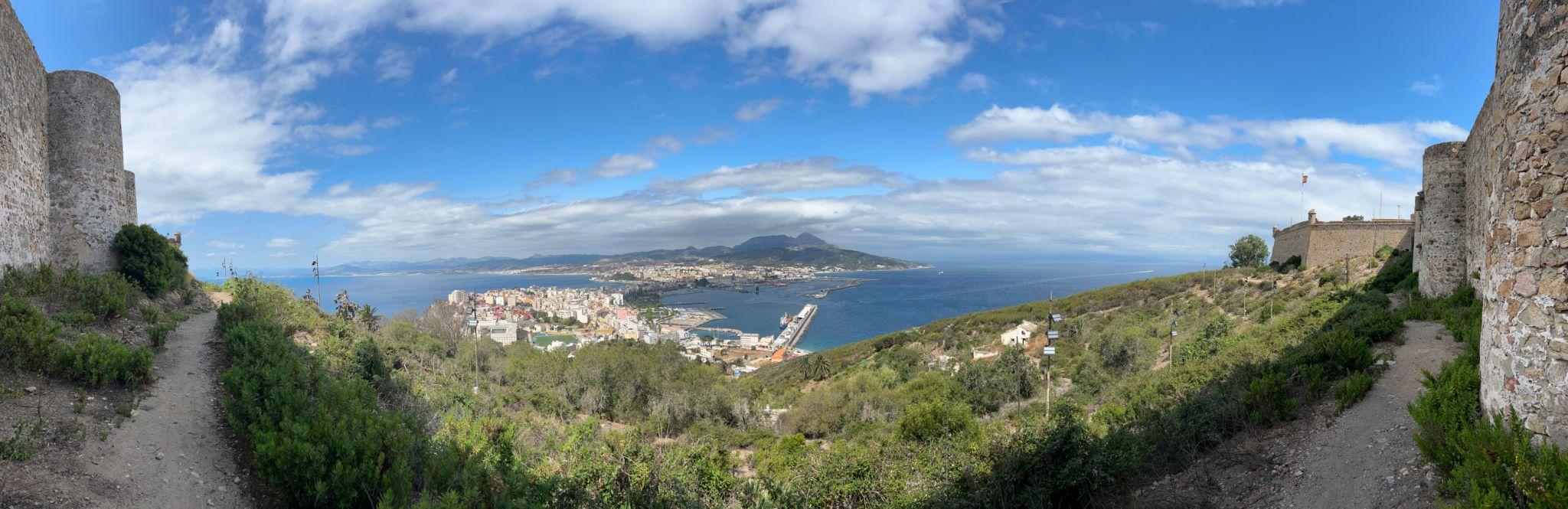
Ceuta History: How 1 Small City Helped Shape World History
The Small African City That Helped Launch the Age of Discovery
There are few places on Earth whose influence seems so disproportionate to their size as Ceuta, so let’s dive into the fascinating tale of Ceuta history
Covering barely 19 square kilometres (7 square miles) and home to fewer than 100,000 people today, Ceuta occupies a rocky peninsula on the northern coast of Africa. At first glance, it appears to be simply another attractive Mediterranean port. Yet for more than two thousand years, this small city has attracted emperors, merchants, explorers and armies, each recognising the same simple truth:
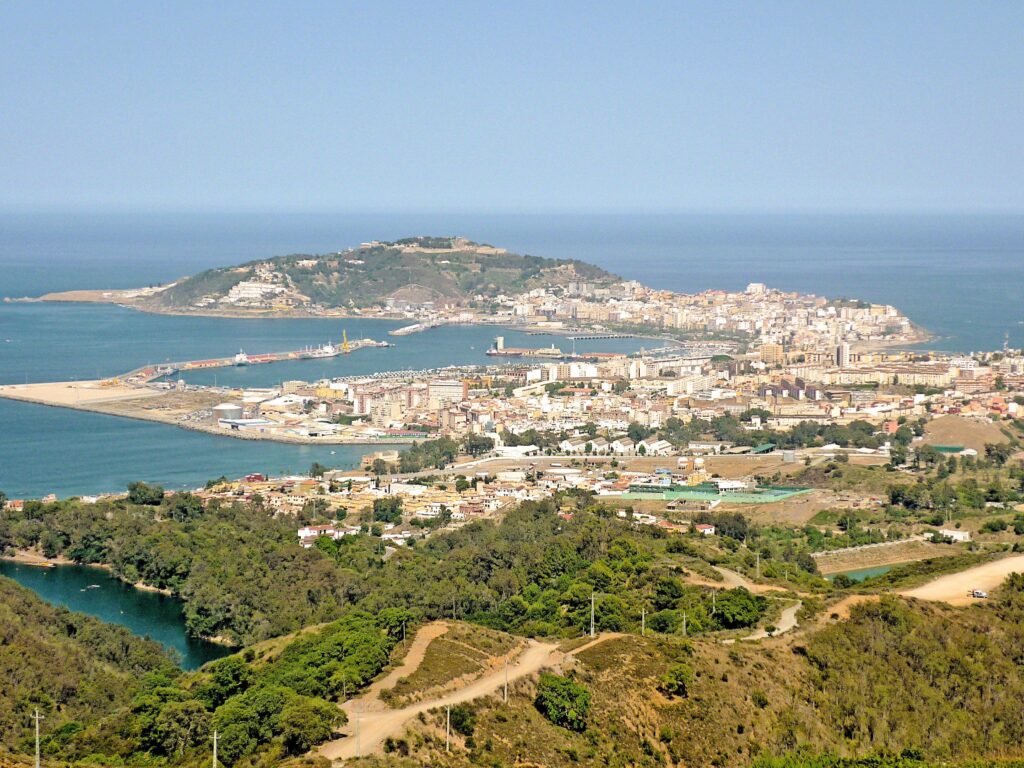
Whoever controlled Ceuta held one of the keys to the Mediterranean.
Its position at the entrance to the Strait of Gibraltar placed it at one of the world’s greatest maritime crossroads. Ships travelling between Europe, Africa and the Atlantic passed within sight of its shores, making Ceuta one of history’s most strategically valuable ports.
While many cities have enjoyed periods of prosperity, Ceuta’s influence reached far beyond its walls. In several pivotal moments, it helped shape events that altered the course of world history.
The Gateway Between Two Worlds
Long before satellite navigation or even reliable maps, geography determined the fortunes of nations.
The Strait of Gibraltar forms the only natural entrance to the Mediterranean Sea from the Atlantic Ocean. Barely 14 kilometres (9 miles) wide at its narrowest point, it has served for millennia as the maritime gateway between Europe and Africa.
Ancient Phoenician traders recognised its value first, establishing trading stations that linked the eastern Mediterranean with North Africa and the Atlantic coast.
The Carthaginians followed.
Then came the Romans.
Each civilisation understood that Ceuta was not simply another harbour—it was a strategic observation point from which fleets could monitor one of the busiest sea routes in the ancient world.
Even today, thousands of commercial vessels pass through these waters every year, underlining just how enduring Ceuta’s geographic importance remains.
A City at the Crossroads of Civilisations
Few places have changed hands as often as Ceuta.
Phoenicians, Carthaginians, Romans, Vandals, Byzantines, Muslim dynasties, Portuguese rulers and finally Spain all governed the city at different times.
Each left traces that remain visible today.
Roman roads gave way to Islamic fortifications.
Portuguese military engineering strengthened the city’s defences.
Spanish architecture transformed its civic buildings.
Rather than belonging to one civilisation alone, Ceuta became a meeting place where cultures, religions and ideas converged.
Its history mirrors the wider story of the Mediterranean itself.
The Conquest That Changed Exploration
The single most important event in Ceuta’s history occurred on 21 August 1415.
King John I of Portugal launched a carefully planned assault on the city, capturing what became Portugal’s first permanent overseas possession.
Although medieval rulers sought wealth and prestige, the conquest had consequences far beyond those immediate goals.
For Portugal, Ceuta became both a military base and a lesson in overseas expansion. Maintaining and supplying a garrison across the Strait demanded new levels of naval organisation, logistics and planning. The experience helped prepare Portugal for increasingly ambitious expeditions along the coast of West Africa.
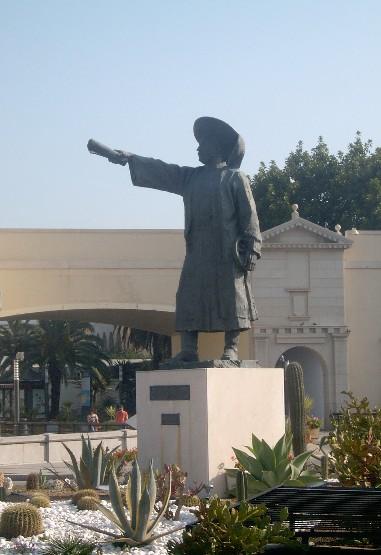
Prince Henry the Navigator, one of the leading figures behind Portuguese exploration, participated in the campaign as a young nobleman. In the decades that followed, he supported voyages that gradually expanded European knowledge of the African coastline.
These expeditions did not spring solely from the conquest of Ceuta, but the city’s capture marked an important milestone in Portugal’s outward expansion and is widely regarded by historians as one of the opening chapters of the Age of Discovery.
Opening the Atlantic
The fifteenth century transformed the world and a history lesson without a lesson on Ceuta History is incomplete.
Portuguese sailors rounded Cape Bojador, reached the Gulf of Guinea, sailed around the Cape of Good Hope and eventually established sea routes to India.
Spanish voyages across the Atlantic soon followed.
These achievements connected continents on an unprecedented scale, reshaping trade, diplomacy, migration and scientific understanding.
Ceuta was not the sole cause of these transformations, but it was one of the early stepping stones on the road that led Europe into an era of sustained oceanic exploration.
Its capture symbolised a new willingness to look beyond familiar horizons.
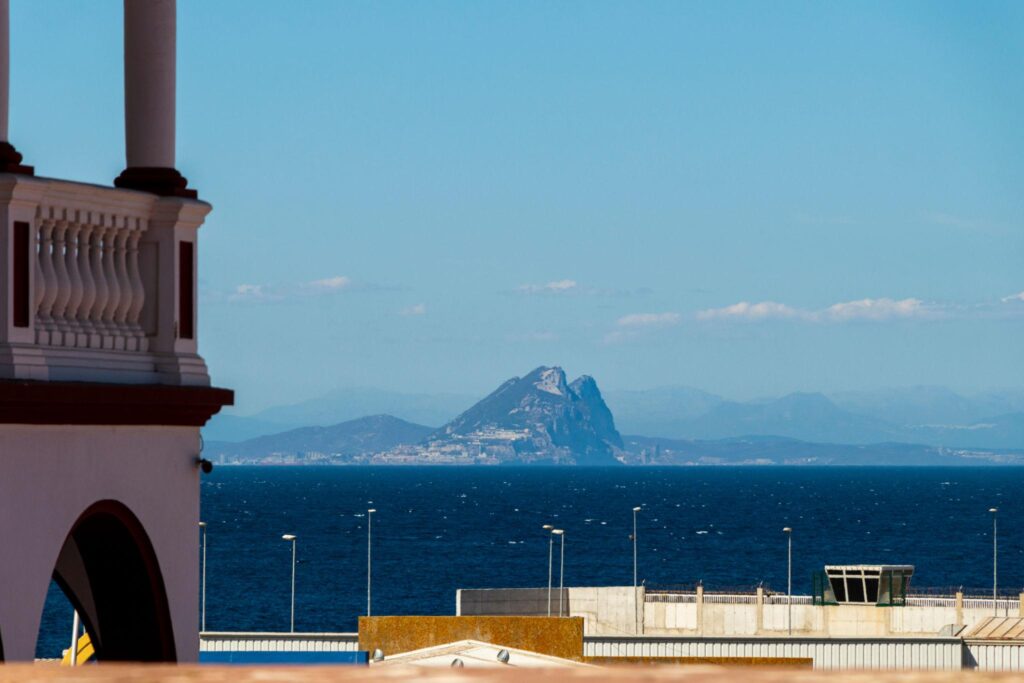
A Fortress Worth Fighting For
The importance of Ceuta did not end with Portugal.
When Portugal regained its independence in 1640, Ceuta chose to remain loyal to the Spanish Crown. The decision was later recognised in the Treaty of Lisbon of 1668, and the city has remained under Spanish sovereignty ever since.
Because of its strategic location, Ceuta endured repeated sieges and attacks over the centuries.
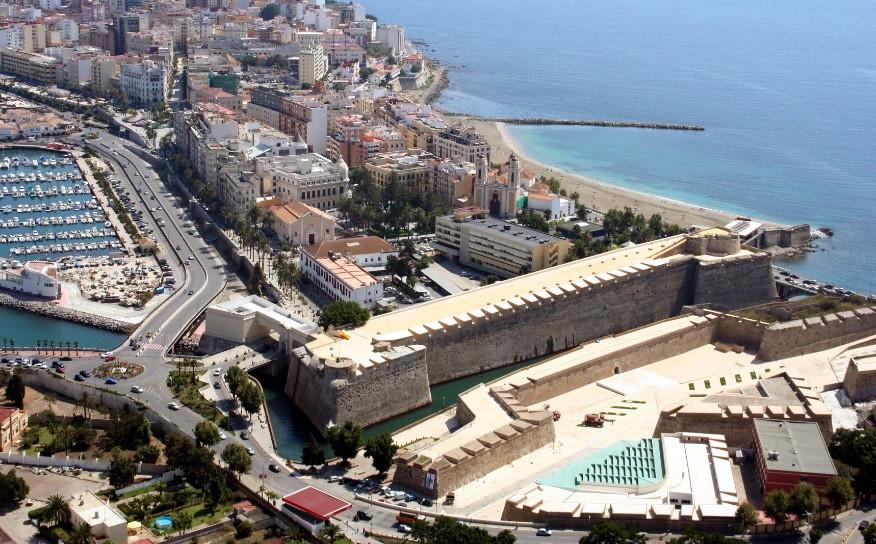
Its magnificent Royal Walls, bastions and sea moat stand today as reminders of generations determined to defend this gateway between continents.
Visitors walking these fortifications are not simply exploring old stone walls—as well as Ceuta history, they are tracing the front line of centuries of European and Mediterranean history.
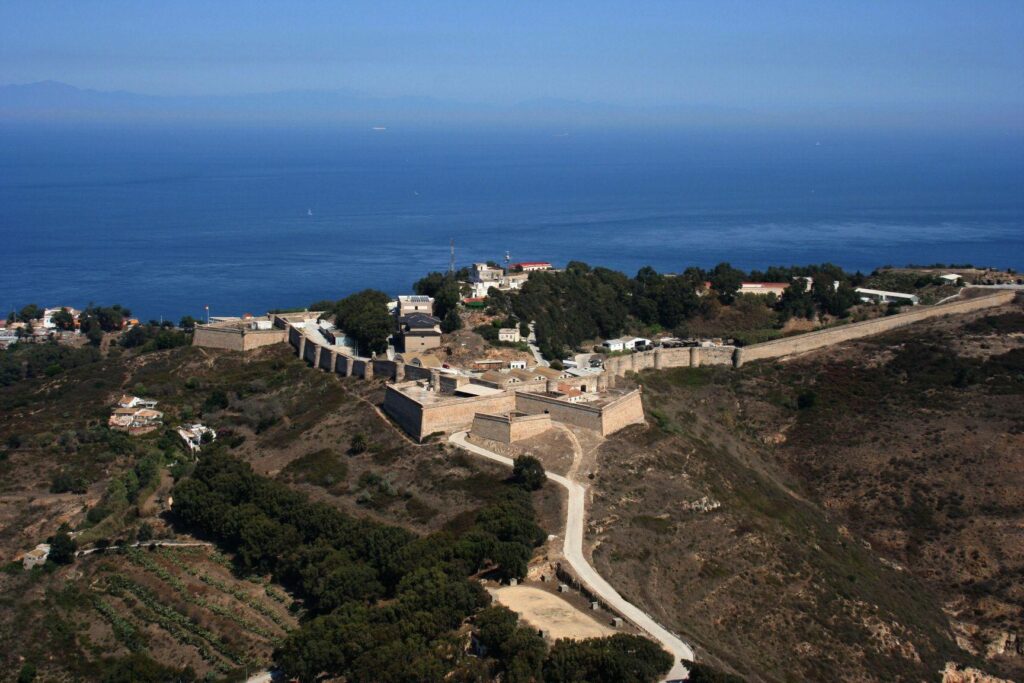
More Than Geography
Ceuta’s influence extends beyond military strategy.
For centuries, merchants from Europe, North Africa and the Middle East met within its markets.
Ideas travelled alongside goods.
Languages mixed.
Religions coexisted.
Architectural styles blended.
The city became a living crossroads where commerce encouraged cultural exchange as much as economic prosperity.
That diversity remains one of Ceuta’s defining characteristics today.
Why Historians Still Study Ceuta History
Modern historians continue to examine Ceuta because it illustrates how geography can shape history.
A relatively small peninsula influenced imperial ambitions, maritime trade and the development of oceanic exploration.
Its story reminds us that world-changing events do not always begin in vast capitals or on great battlefields.
Sometimes they begin in a fortified harbour overlooking a narrow stretch of sea.
Ceuta’s Enduring Legacy
Today, Ceuta remains an autonomous city of Spain on the African continent, overlooking the same waters that attracted Phoenician merchants more than 2,500 years ago.
Ships still pass through the Strait of Gibraltar.
Its fortifications still dominate the skyline.
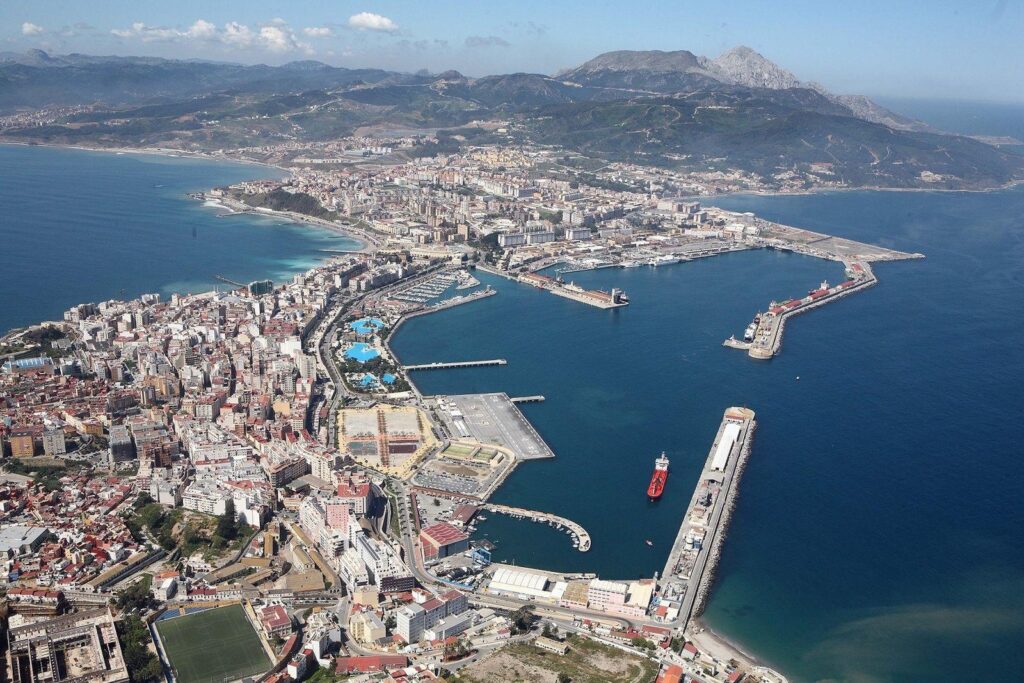
Its streets still reflect centuries of cultural exchange.
For travellers, Ceuta offers far more than beautiful views and impressive architecture.
It provides a rare opportunity to stand in a place where geography, exploration and history came together in ways that influenced the wider world.
Perhaps that is Ceuta’s greatest legacy.
Not that it changed history on its own, but that, at several pivotal moments, it stood at the crossroads where history itself changed, so, Ceuta history is a big part of world history.
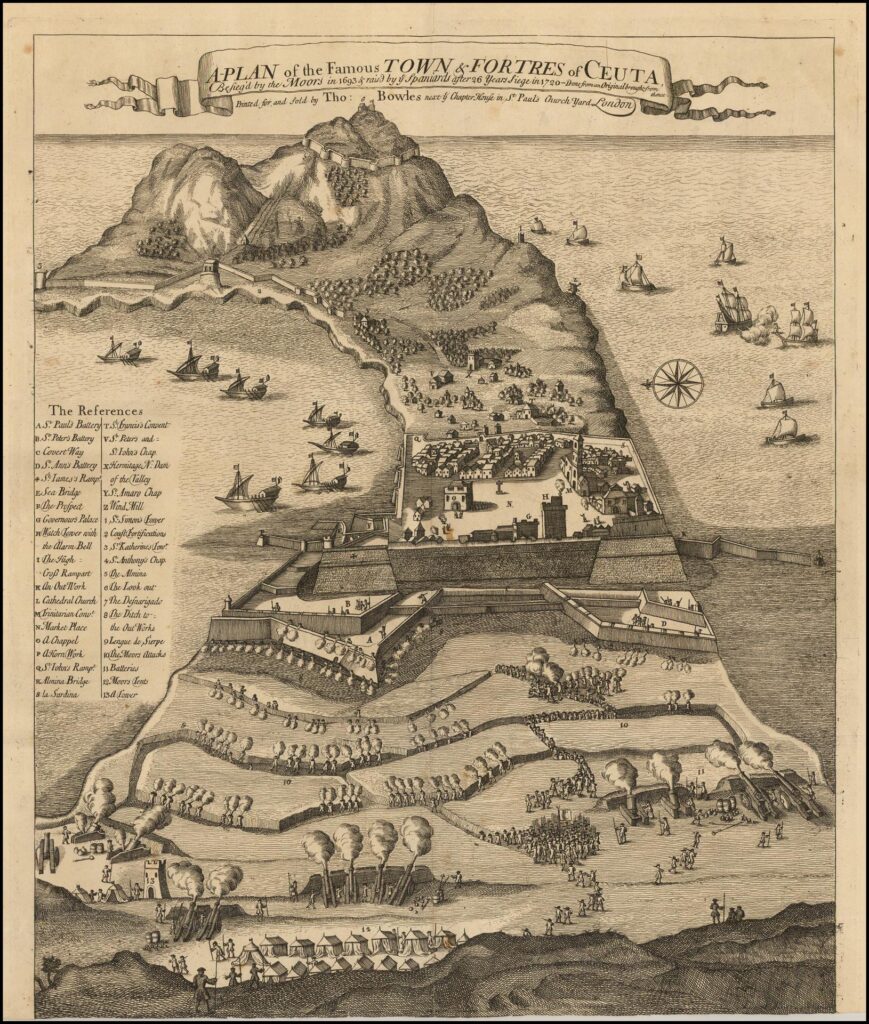
Some useful Links
1. Official Tourism Information
Official Ceuta Tourism Information
This includes attractions such as the Royal Walls, Monte Hacho, museums and visitor information. (Ceuta)
2. Spain’s Official Tourism Guide to Ceuta
A broader overview of Ceuta history and its attractions.
It highlights Ceuta’s long history, major monuments and practical visitor information. (Spain)
3. The Royal Walls (Murallas Reales)
Royal Walls of Ceuta (Official)
The page explains the history of the fortifications, their architecture and current museum use. (Ceuta)
4. Ceuta Museums
For more on Ceuta history, please do visit the Museum of Ceuta, the Royal Walls museum spaces and other historic collections. (Ceuta)
5. Ministry of Culture – Ceuta Museums
An excellent source for anyone interested in Ceuta history, archaeology and heritage.
Spanish Ministry of Culture – Ceuta Museums
Official information on the museums and collections managed within Ceuta. (Cultura)
Further Reading
If you’d like to explore Ceuta history, and Ceuta’s remarkable story in greater depth, you may also enjoy:
- The Complete History of Ceuta
- The Portuguese Conquest of Ceuta (1415)
- Prince Henry the Navigator and Ceuta
- The Royal Walls of Ceuta
- The Pillars of Hercules Explained
- Why Ceuta Is Part of Spain
Together, these articles explore how one small city became one of the Mediterranean’s most strategically significant places and why Ceuta history and its influence continues to fascinate historians and travellers alike.
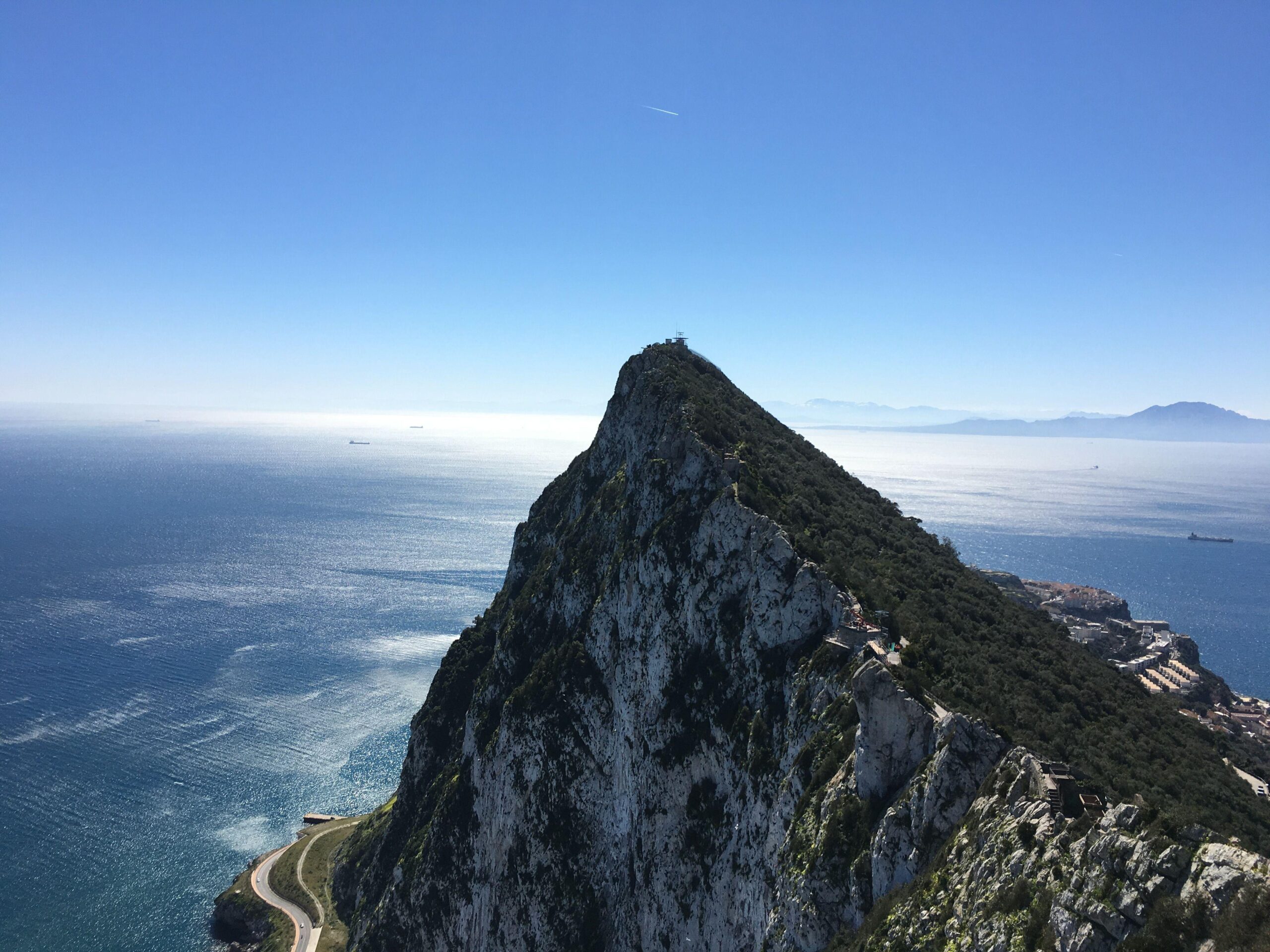
Image credits: Unless otherwise stated, photographs are used under Creative Commons licences from Wikimedia Commons. Individual image credits appear beneath each photograph.
Jump to
- Jump to
- Our Experienced Traveler Tips: Australia on a Budget
- Traveling Australia on a Budget: Best 10 Tips
- 1: Budget-Friendly Accommodation
- 2: Affordable Transportation
- 3: Embrace Free and Low-Cost Attractions
- 4: Opt for Discount Passes and City Cards
- 5: Relish in Budget-Friendly Dining
- 6: Utilize Public Transport
- 7: Travel During Off-Peak Seasons
- 8: Experience the Great Outdoors
- 9. Work and Travel Opportunities
- 10. Utilize Travel Apps and Loyalty Programs
- Frequently Asked Questions (FAQ) – Traveling Australia on a Budget
- Traveling Australia on a Budget – Final Thoughts
- Africa
- Angola
- Antarctica
- Asia
- Blog
- Burundi
- California
- Canada
- Caribbean North
- Caribbean South
- China
- Croatia
- Europe
- France
- Germany
- India
- Ireland
- Italy
- Japan
- Lesotho
- Liberia
- Netherlands
- Niger
- North America
- Oceania
- Philippines
- Saint Kitts and Nevis
- Sierra Leone
- South America
- Spain
- Suriname
- Switzerland
- Tajikistan
- Togo
- Tonga
- Travel Tips
- Trinidad and Tobago
- Turkey
- Turkmenistan
- Tuvalu
- UK
- USA
- Uzbekistan
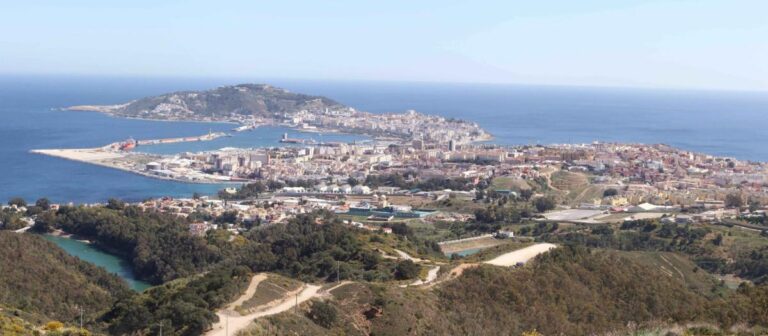
The Complete History of Ceuta is Fascinating
It’s important to understand the complete history of Ceuta. Following the arrival of Islam in North Africa, Ceuta became an important centre of trade, learning and culture. Merchants from across Africa, Europe and the Middle East passed through its bustling streets, bringing with them languages, customs and ideas that would leave their mark on the city.
Our Top 5 Best Places to Visit in Egypt
Egypt Unveiled: Exploring the Land of Pharaohs and Pyramids Welcome to Egypt, a land where ancient wonders and vibrant culture converge in a mesmerizing fusion. Whether you’re an archaeology enthusiast, an adventure seeker, or simply a lover of rich history, Egypt has something extraordinary to offer at every turn. Let’s embark on a journey through…
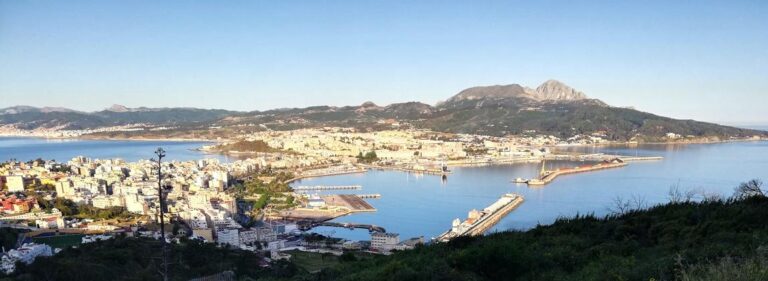
Ceuta – Europe’s Forgotten Fortress on the Edge of Africa
Following the arrival of Islam in North Africa, Ceuta became an important centre of trade, learning and culture. Merchants from across Africa, Europe and the Middle East passed through its bustling streets, bringing with them languages, customs and ideas that would leave their mark on the city.

Europe: A Tapestry of Diversity, Culture and Adventure
Europe, a continent as diverse as it is beautiful, is a traveler’s dream come true. From the snow-capped peaks of the Alps to the sun-kissed beaches of the Mediterranean, Europe offers an enchanting mix of experiences for every type of traveler. Join us as we embark on a journey through the heart of Europe, discovering…

Our Top 5 Best Places to Visit in Kuwait
Discovering Kuwait: Journey Through its Hidden Treasures Hey fellow wanderlusters, let’s dive into Kuwait’s kaleidoscope of culture, where the past meets modernity. I’ve uncovered five must-visit spots for the young and adventurous traveler. From sipping on sweet tea under Bedouin tents to catching epic sunsets, Kuwait is an adventure waiting to happen. Map of Kuwait…

Our Top 5 Best Places to Visit in Dominica
Dominica: Where Adventure Meets Paradise Welcome to Dominica, the “Nature Island” of the Caribbean. If you’re seeking a destination that’s off the beaten path, brimming with natural wonders and adventure, you’ve found it. Here, you’ll explore lush rainforests, soak in rejuvenating hot springs, and dive into sparkling turquoise waters. Let’s embark on a journey to…