The Complete History of Ceuta is Fascinating
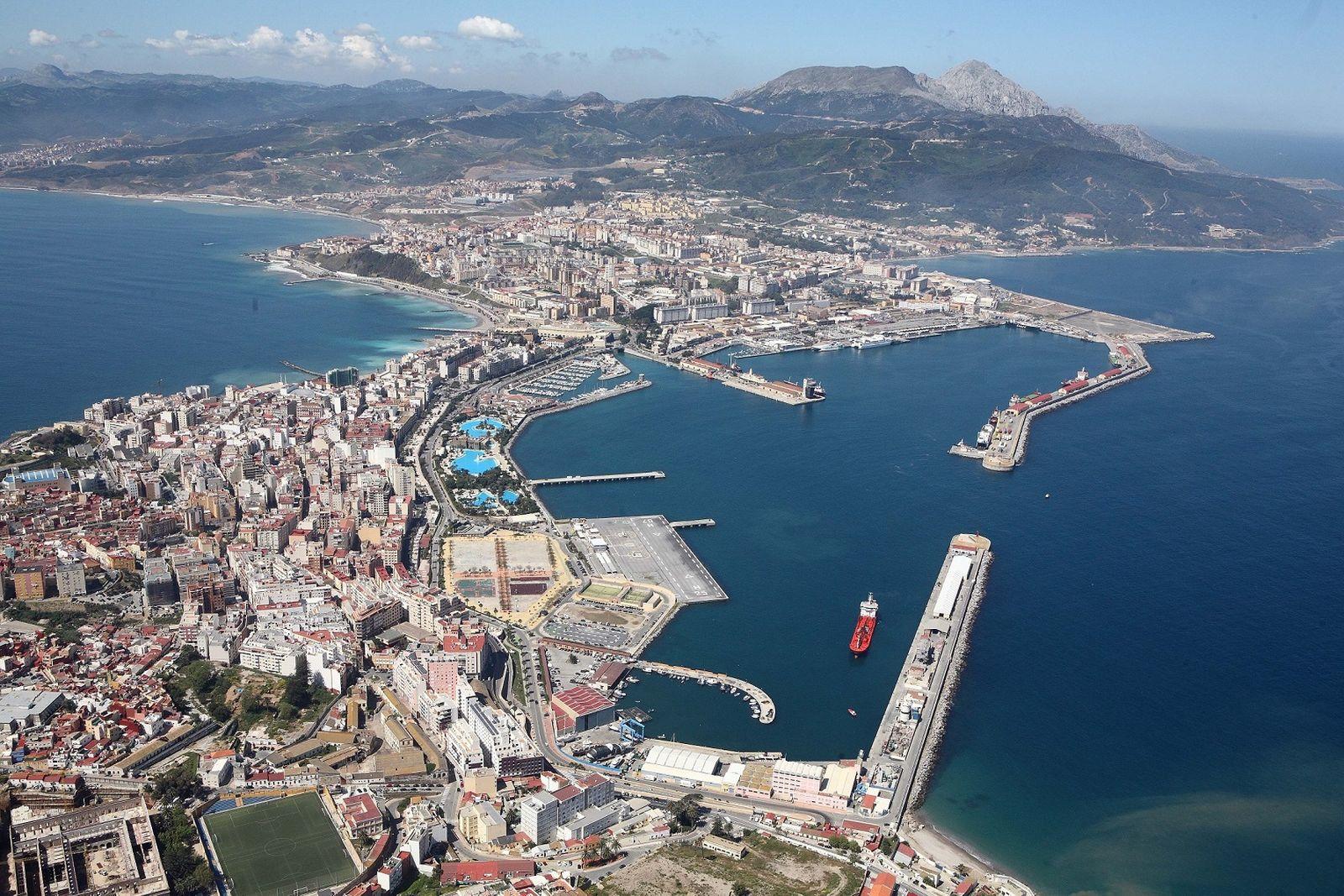
Courtesy Marta Gómez
From Ancient Phoenician Traders to Modern Spain
“To understand Ceuta is to understand why generations of empires fought over one small peninsula on the northern coast of Africa.”
The Complete History of Ceuta – Few cities in the world have witnessed as much history as Ceuta.
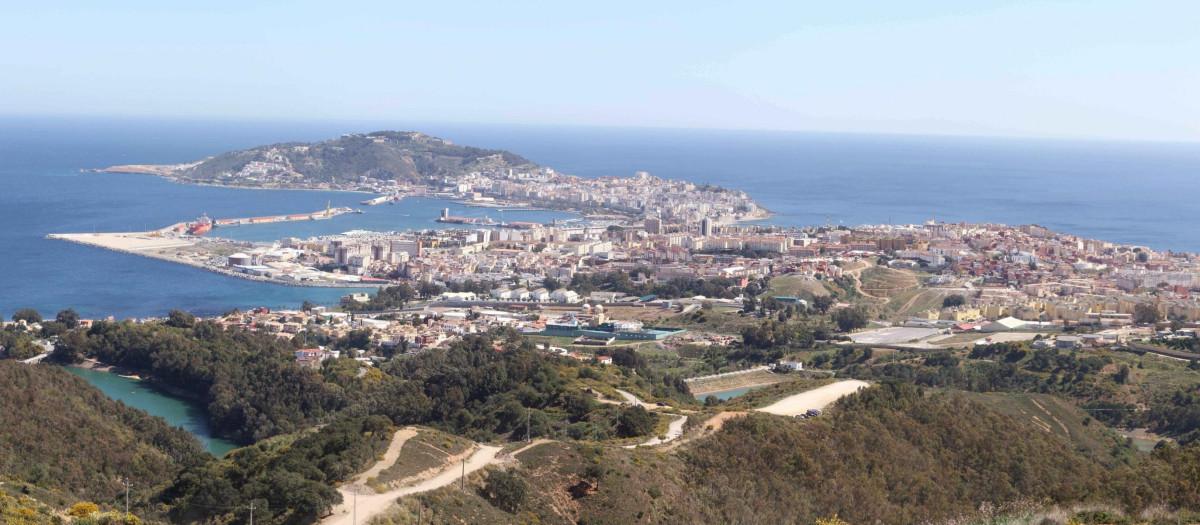
Occupying a small peninsula on the northern tip of Africa, only a short distance from mainland Spain, Ceuta has been a meeting place of continents, cultures and civilisations for well over two thousand years. It has belonged to Phoenicians, Carthaginians, Romans, Byzantines, Muslim dynasties, Portugal and Spain, each leaving an enduring mark on the city that visitors see today.
Its remarkable position overlooking the Strait of Gibraltar made Ceuta one of the most strategically important settlements in the Mediterranean. Whoever controlled the city could observe, protect—or challenge—the movement of ships between Europe and Africa and between the Mediterranean Sea and the Atlantic Ocean.
Today, although geographically African, Ceuta remains an autonomous city of Spain and an integral part of the European Union. Its unique history explains why it continues to attract historians, travellers and political interest alike.
This page provides an overview of Ceuta’s extraordinary story. Each period of its history links to more detailed articles for readers wishing to explore further.
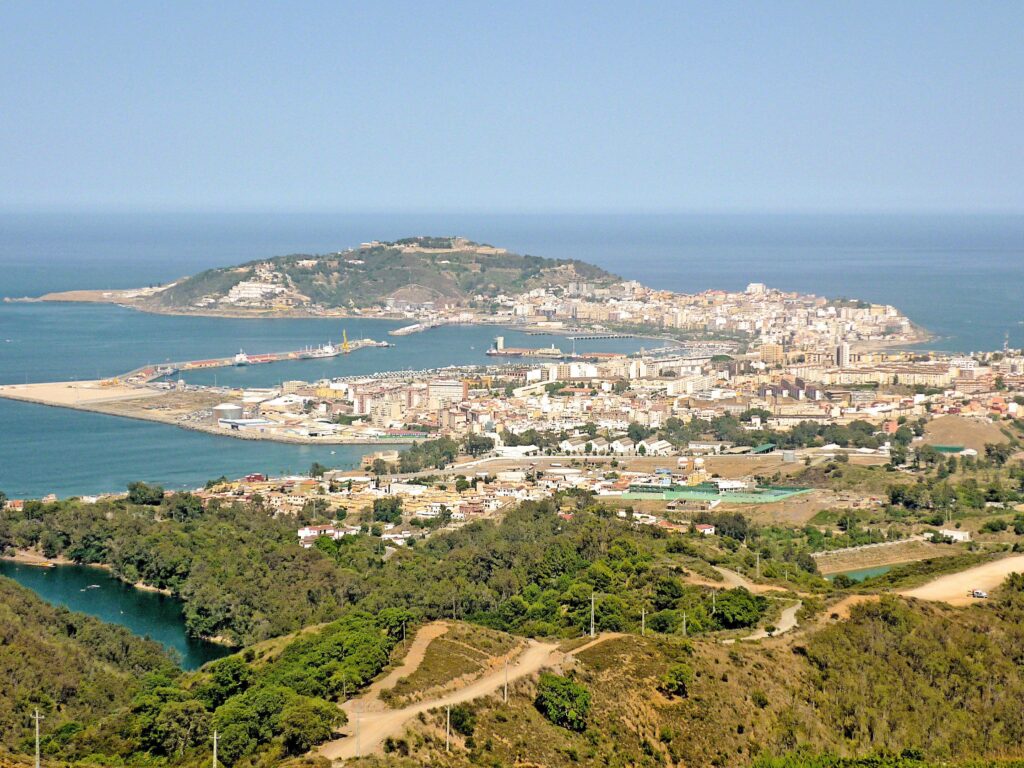
Photo: (Flickr contributor) via Wikimedia Commons (CC BY 2.0). (Wikimedia Commons)
The Ancient World
The earliest known settlement at Ceuta dates back to the Phoenicians during the first millennium BC. These skilled seafarers established trading posts across the Mediterranean, recognising Ceuta’s sheltered harbour and unrivalled strategic location.
The Greeks later associated the surrounding mountains with the legendary Pillars of Hercules, believing this narrow passage marked the western limit of the known world.
Following the rise of Carthage, Ceuta became part of a vast maritime trading network before eventually passing into Roman hands after the Punic Wars.
The Romans renamed the city Septem Fratres (“Seven Brothers”), after the seven hills overlooking the settlement. Under Roman rule, Ceuta flourished as both a military outpost and commercial port, connecting Europe with North Africa for centuries.
Read more:
Ceuta – Europe’s Forgotten Fortress on the Edge of Africa
The Pillars of Hercules Explained
The Phoenicians in Ceuta
Roman Ceuta: Life in Septem Fratres
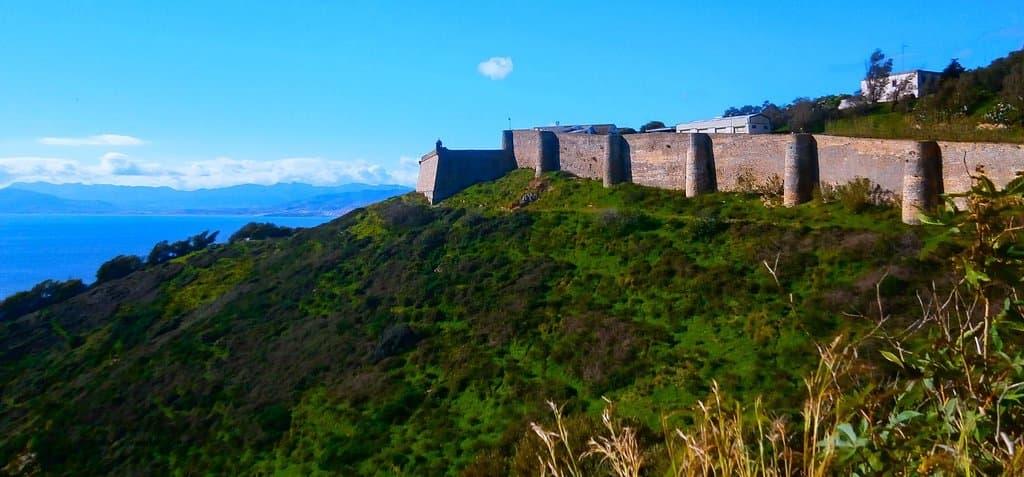
Photo via Wikimedia Commons (CC BY-SA 2.0). (Wikimedia Commons)
From Rome to the Islamic World
Following the decline of the Western Roman Empire, Ceuta experienced periods of Vandal and Byzantine control before becoming part of the rapidly expanding Islamic world during the seventh and eighth centuries.
Successive Muslim dynasties transformed the city into one of North Africa’s most prosperous ports. Merchants carrying gold, spices, ivory, silk and ceramics passed through Ceuta, while scholars and craftsmen helped shape its thriving culture.
Its strategic importance only continued to grow.
Read more:
Trade Across Medieval North Africa
The Byzantine Period in Ceuta
Ceuta under Islamic Rule
Portugal and the Beginning of the Age of Discovery
One of the defining moments in world history occurred on 21 August 1415, when Portugal captured Ceuta.
Although the city itself proved less commercially profitable than expected, the conquest gave Portugal invaluable military and naval experience beyond Europe. It also strengthened the ambitions of Prince Henry the Navigator and helped launch the remarkable voyages that became known as the Age of Discovery.
From Ceuta, Portuguese explorers gradually charted the African coastline, eventually opening sea routes to India and beyond.
Few conquests have had such far-reaching consequences.
Read more:
How Ceuta Changed World History
The Portuguese Conquest of Ceuta
Prince Henry the Navigator
Why Ceuta Is Spanish
In 1580, Spain and Portugal came under a single monarch during the Iberian Union.
When Portugal regained its independence in 1640, Ceuta made the unusual decision to remain loyal to the Spanish Crown rather than return to Portuguese rule. This position was formally recognised in the Treaty of Lisbon of 1668.
For more than three and a half centuries, Ceuta has remained under Spanish sovereignty.
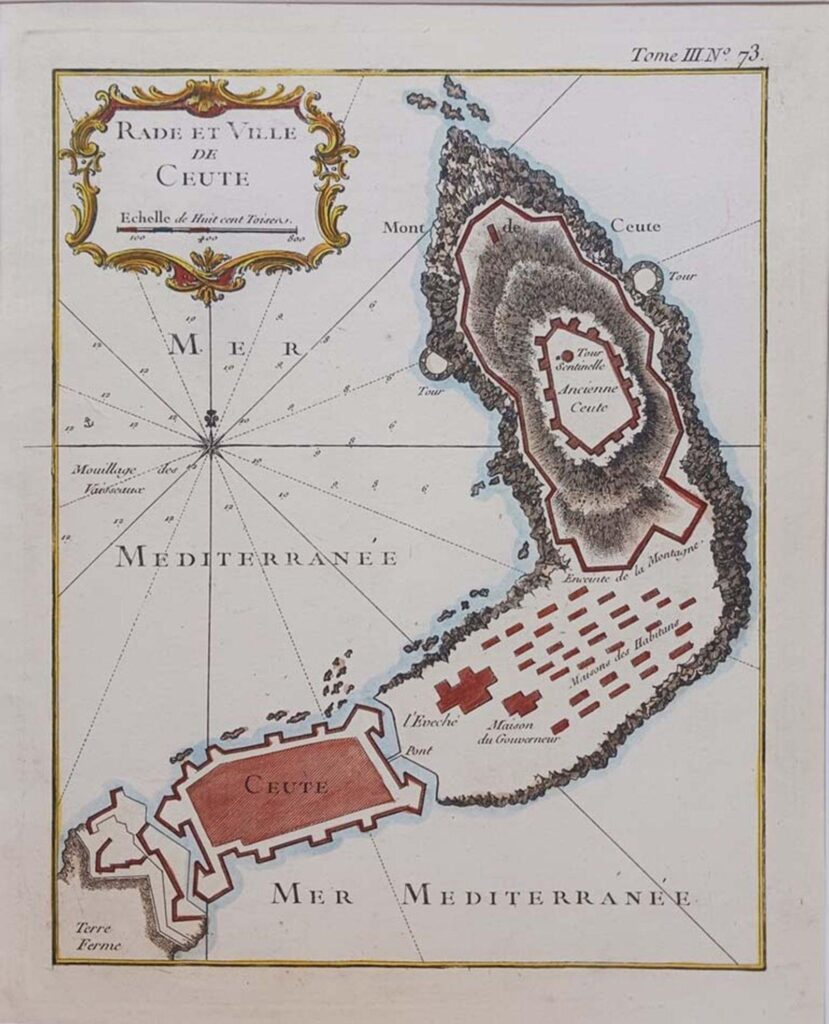
Spain regards Ceuta as an integral part of the nation, while Morocco continues to maintain its own claim to the territory. The differing positions remain a longstanding diplomatic issue, but the city’s centuries of Spanish administration have shaped its institutions, architecture and daily life.
Read more:
Understanding Ceuta’s Modern Status
Why Ceuta Chose Spain
The Treaty of Lisbon (1668)
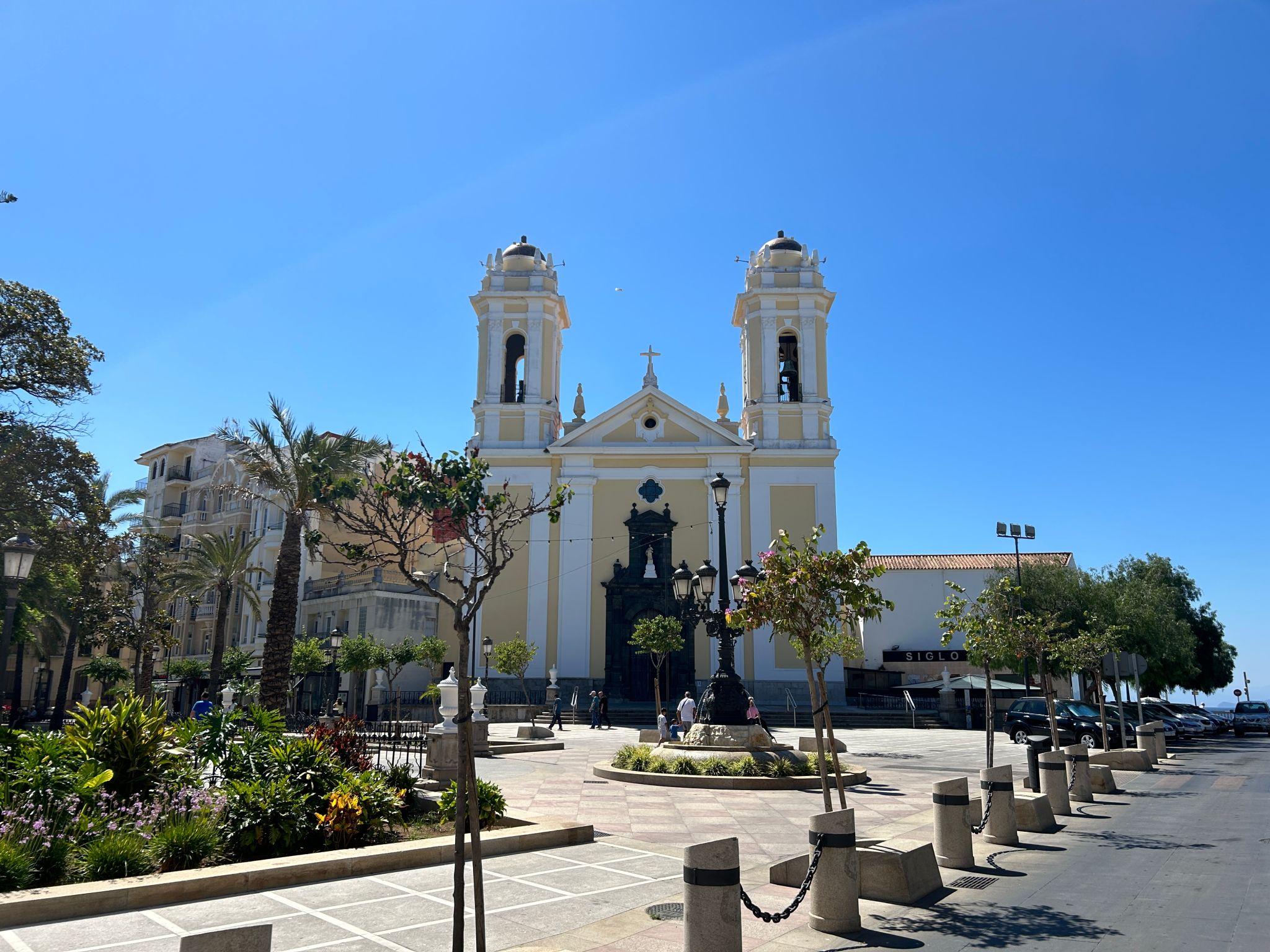
The Great Fortifications
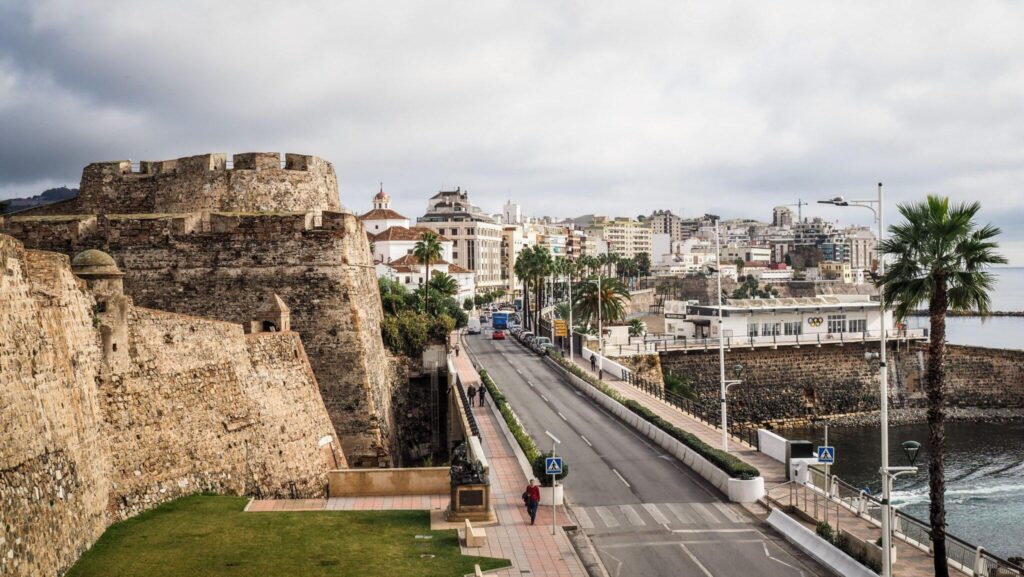
Throughout its long history, Ceuta endured numerous sieges and attacks. To defend this strategic gateway, successive rulers strengthened its walls, bastions and sea defences.
The magnificent Royal Walls seen today are among the finest military fortifications in Spain and remain one of the city’s most recognisable landmarks.
Walking along these walls offers a tangible connection with centuries of conflict, exploration and resilience.
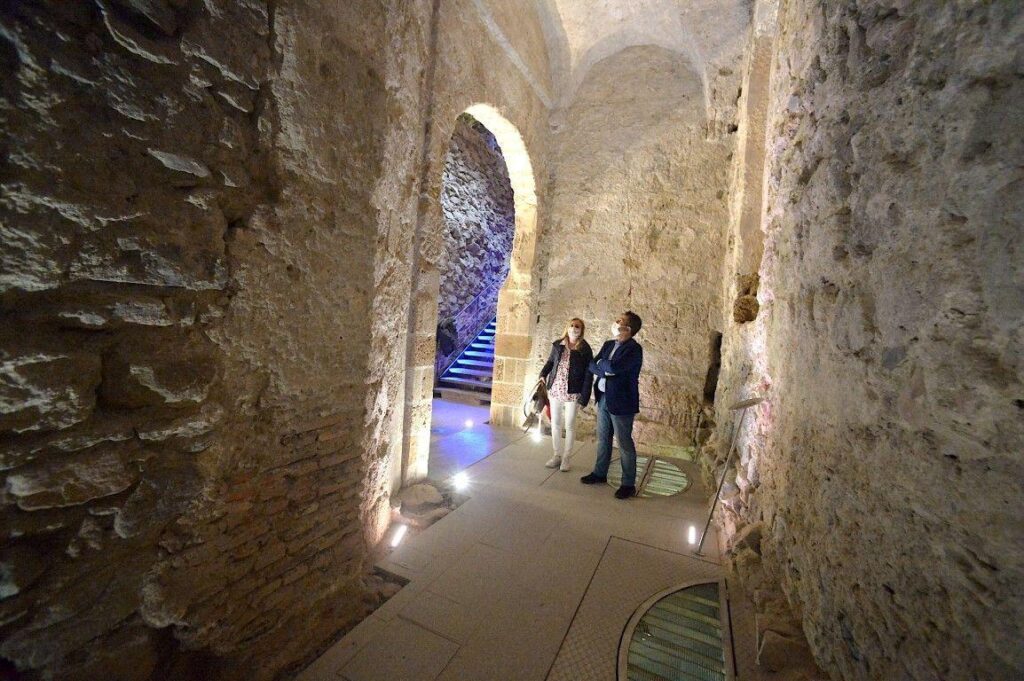
Read more:
Military Architecture of Ceuta
The Royal Walls of Ceuta
The Great Siege of Ceuta
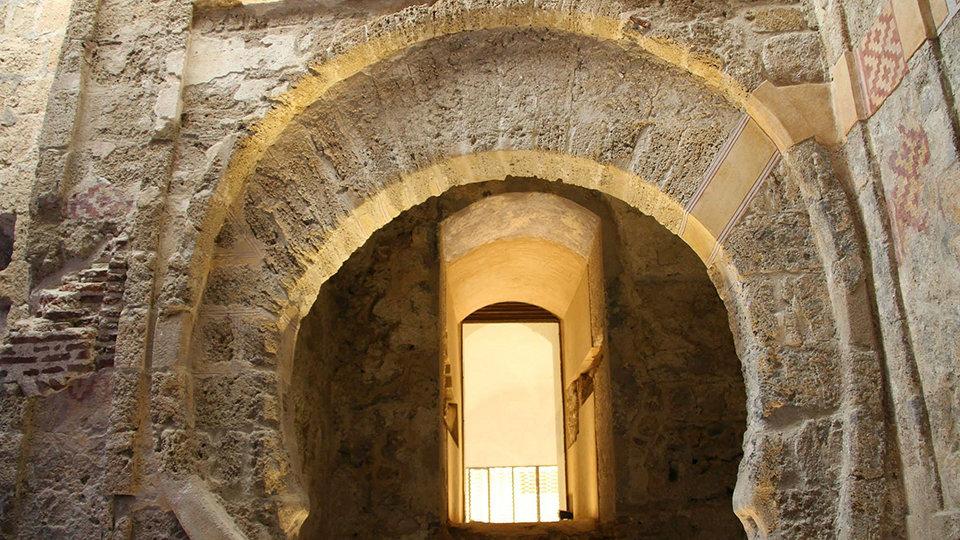
Ceuta Today
Modern Ceuta is unlike any other city in Europe or Africa.
Spanish is the official language, the euro is the currency, and the city forms part of Spain while occupying a peninsula on the African mainland. Visitors encounter Spanish cafés, elegant boulevards and European civic buildings alongside Arab, Jewish, Hindu and Christian traditions that reflect centuries of cultural exchange.
Its unique identity is the product of every civilisation that has passed through its gates.
Although current regional tensions mean travellers should always consult official travel advice before planning a visit, Ceuta remains one of the Mediterranean’s most fascinating historic cities and a remarkable place where geography and history have shaped one another for more than two millennia.
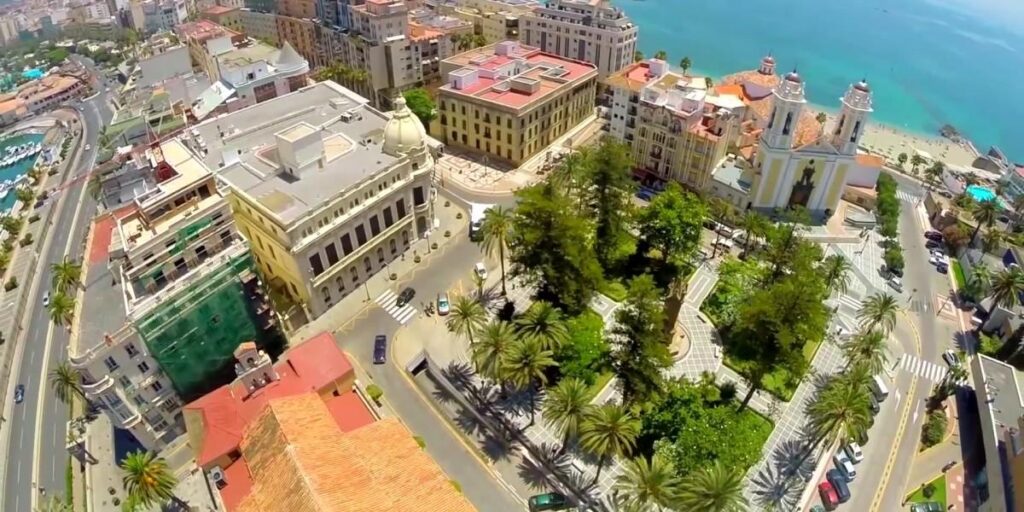
Timeline of Ceuta
c. 7th century BC – Phoenician traders establish a settlement.
5th–3rd centuries BC – Controlled by Carthage.
1st century BC – Incorporated into the Roman Empire as Septem Fratres.
5th century AD – Vandal rule.
6th century AD – Byzantine control restored.
8th century AD – Incorporated into the Islamic world.
1415 – Captured by Portugal.
1580 – Iberian Union joins the Spanish and Portuguese crowns.
1640 – Portugal regains independence; Ceuta remains loyal to Spain.
1668 – Treaty of Lisbon formally recognises Ceuta’s continued Spanish sovereignty.
19th–20th centuries – Modernisation of the city and harbour under Spanish administration.
Today – An autonomous city of Spain on the African continent and part of the European Union.
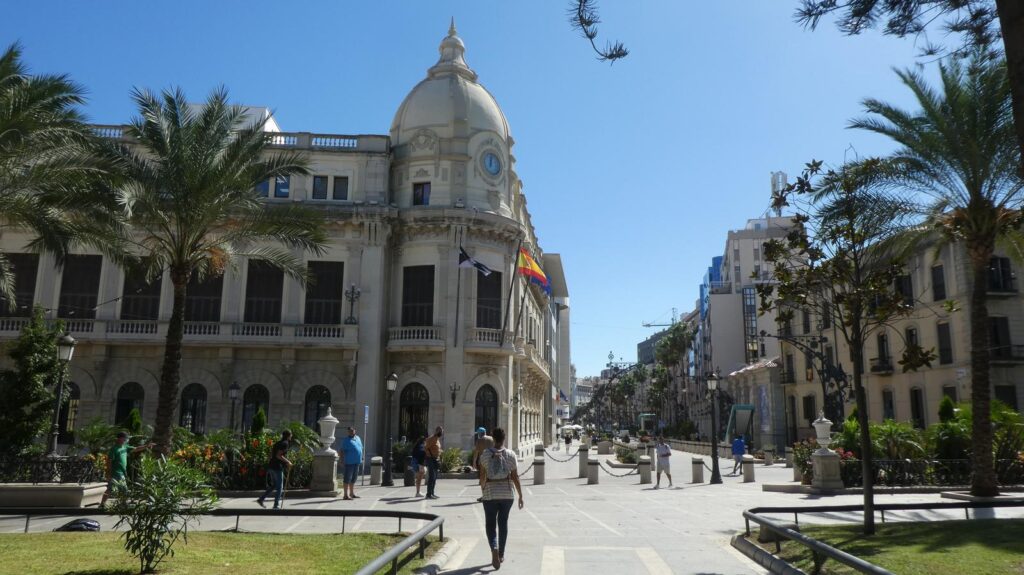
Discover More About Ceuta
If this overview has sparked your interest, you can explore each chapter of Ceuta’s remarkable past in greater detail:
- The Phoenicians in Ceuta
- Roman Ceuta: Septem Fratres
- Ceuta under Islamic Rule
- The Portuguese Conquest of 1415
- Prince Henry the Navigator and Ceuta
- Why Ceuta Is Part of Spain
- The Royal Walls of Ceuta
- Monte Hacho and the Pillars of Hercules
- Ceuta During the Great Sieges
- Ceuta in the Modern World
Whether you are fascinated by ancient civilisations, maritime exploration, military history or the meeting of cultures, Ceuta offers a remarkable story that stretches from the ancient Mediterranean to the present day. Few places demonstrate more clearly how geography can shape the destiny of nations.
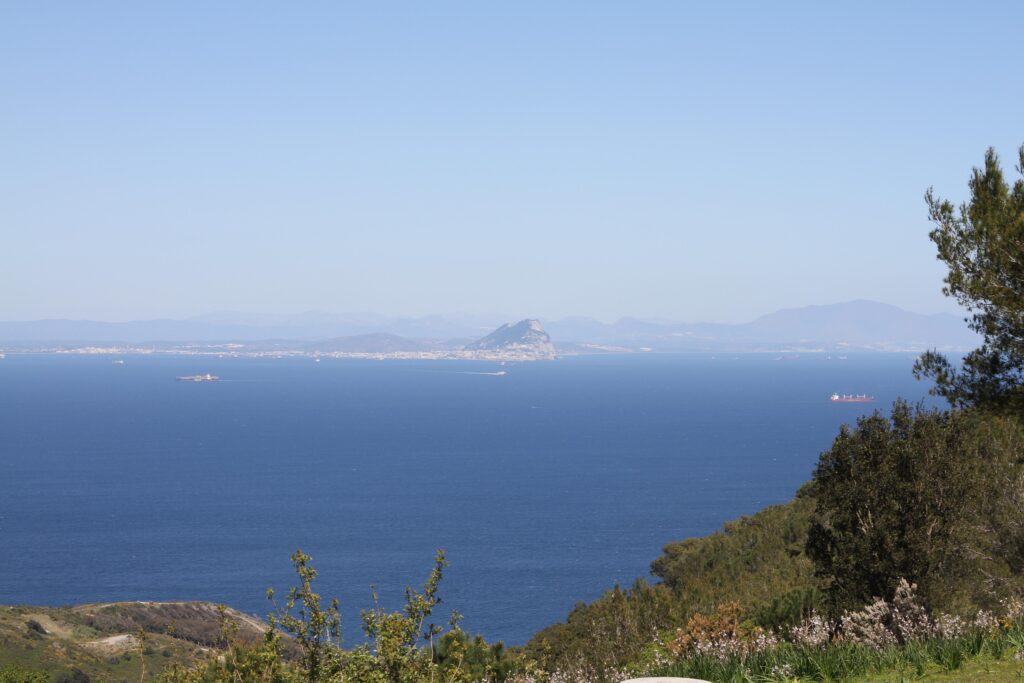
Image credits: Unless otherwise stated, photographs are used under Creative Commons licences from Wikimedia Commons. Individual image credits appear beneath each photograph.
Jump to
- Jump to
- Our Experienced Traveler Tips: Australia on a Budget
- Traveling Australia on a Budget: Best 10 Tips
- 1: Budget-Friendly Accommodation
- 2: Affordable Transportation
- 3: Embrace Free and Low-Cost Attractions
- 4: Opt for Discount Passes and City Cards
- 5: Relish in Budget-Friendly Dining
- 6: Utilize Public Transport
- 7: Travel During Off-Peak Seasons
- 8: Experience the Great Outdoors
- 9. Work and Travel Opportunities
- 10. Utilize Travel Apps and Loyalty Programs
- Frequently Asked Questions (FAQ) – Traveling Australia on a Budget
- Traveling Australia on a Budget – Final Thoughts
- Africa
- Angola
- Antarctica
- Asia
- Blog
- Burundi
- California
- Canada
- Caribbean North
- Caribbean South
- China
- Croatia
- Europe
- France
- Germany
- India
- Ireland
- Italy
- Japan
- Lesotho
- Liberia
- Netherlands
- Niger
- North America
- Oceania
- Philippines
- Saint Kitts and Nevis
- Sierra Leone
- South America
- Spain
- Suriname
- Switzerland
- Tajikistan
- Togo
- Tonga
- Travel Tips
- Trinidad and Tobago
- Turkey
- Turkmenistan
- Tuvalu
- UK
- USA
- Uzbekistan
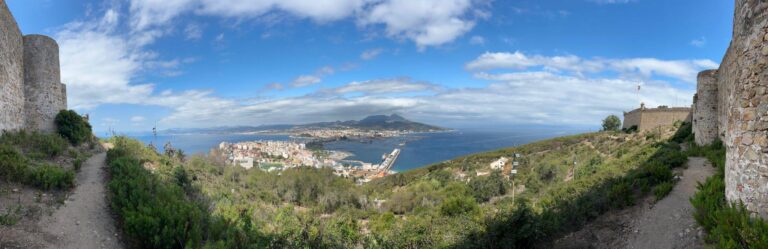
Ceuta History: How 1 Small City Helped Shape World History
Following the arrival of Islam in North Africa, Ceuta became an important centre of trade, learning and culture. Merchants from across Africa, Europe and the Middle East passed through its bustling streets, bringing with them languages, customs and ideas that would leave their mark on the city.
Our Top 5 Best Places to Visit in Egypt
Egypt Unveiled: Exploring the Land of Pharaohs and Pyramids Welcome to Egypt, a land where ancient wonders and vibrant culture converge in a mesmerizing fusion. Whether you’re an archaeology enthusiast, an adventure seeker, or simply a lover of rich history, Egypt has something extraordinary to offer at every turn. Let’s embark on a journey through…
Ceuta – Europe’s Forgotten Fortress on the Edge of Africa
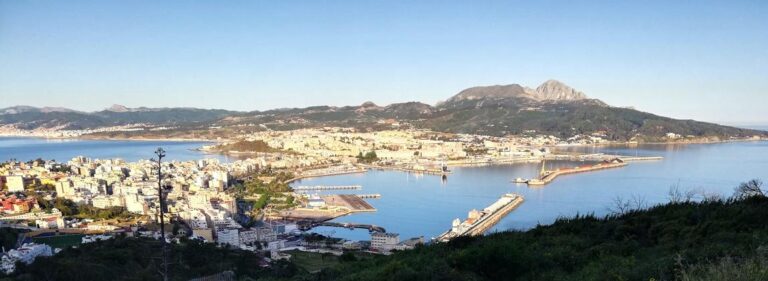
Following the arrival of Islam in North Africa, Ceuta became an important centre of trade, learning and culture. Merchants from across Africa, Europe and the Middle East passed through its bustling streets, bringing with them languages, customs and ideas that would leave their mark on the city.

Europe: A Tapestry of Diversity, Culture and Adventure
Europe, a continent as diverse as it is beautiful, is a traveler’s dream come true. From the snow-capped peaks of the Alps to the sun-kissed beaches of the Mediterranean, Europe offers an enchanting mix of experiences for every type of traveler. Join us as we embark on a journey through the heart of Europe, discovering…

Our Top 5 Best Places to Visit in Kuwait
Discovering Kuwait: Journey Through its Hidden Treasures Hey fellow wanderlusters, let’s dive into Kuwait’s kaleidoscope of culture, where the past meets modernity. I’ve uncovered five must-visit spots for the young and adventurous traveler. From sipping on sweet tea under Bedouin tents to catching epic sunsets, Kuwait is an adventure waiting to happen. Map of Kuwait…

Our Top 5 Best Places to Visit in Dominica
Dominica: Where Adventure Meets Paradise Welcome to Dominica, the “Nature Island” of the Caribbean. If you’re seeking a destination that’s off the beaten path, brimming with natural wonders and adventure, you’ve found it. Here, you’ll explore lush rainforests, soak in rejuvenating hot springs, and dive into sparkling turquoise waters. Let’s embark on a journey to…