Ceuta – Europe’s Forgotten Fortress on the Edge of Africa
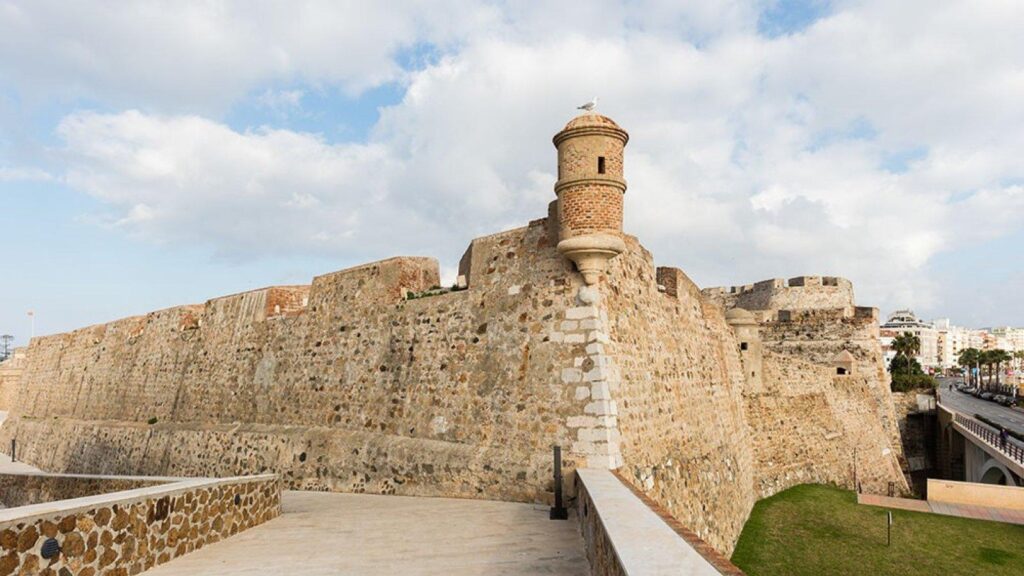
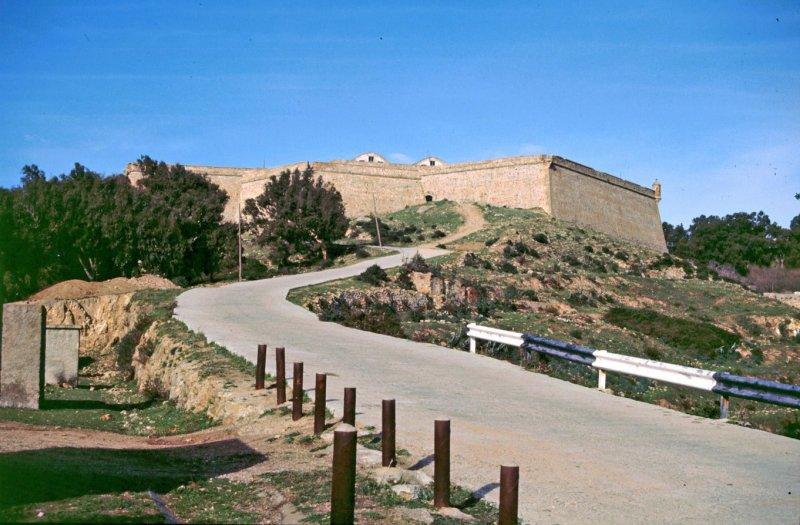
The Royal Walls remain one of Spain’s finest surviving military fortifications.
For more than 2,500 years, Ceuta has stood at the crossroads of Europe and Africa.
Photo: CarlosVdeHabsburgo / Wikimedia Commons (CC BY-SA 4.0). (Wikimedia Commons)
There are places you visit simply to tick another destination off a list, and then there are places that make you stop, look around, and realise you’re standing where the course of history has been shaped for thousands of years.
Ceuta is one of those places.
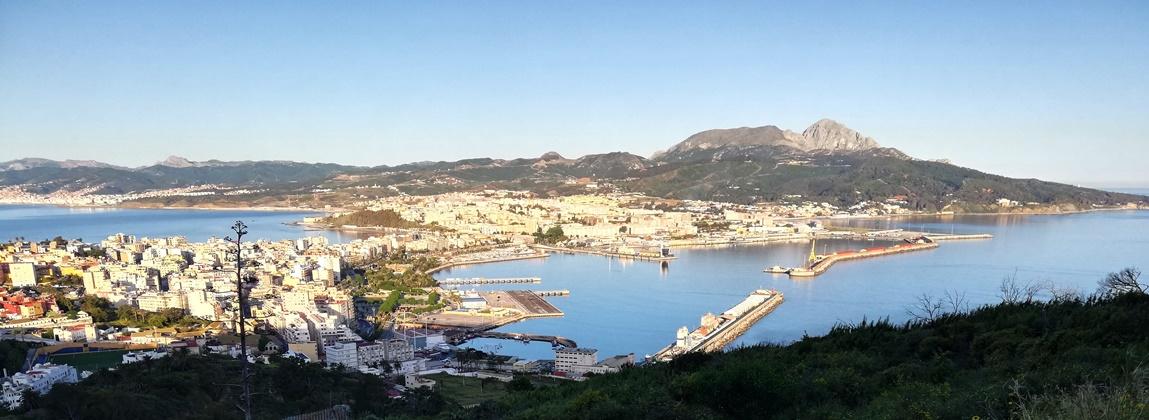
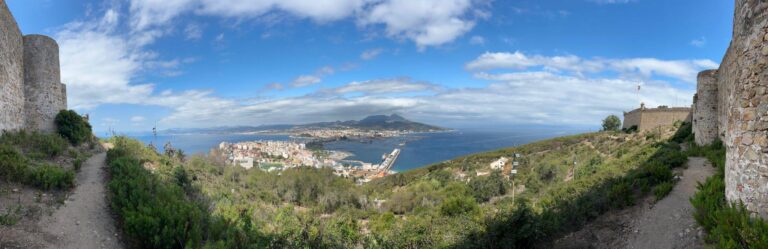
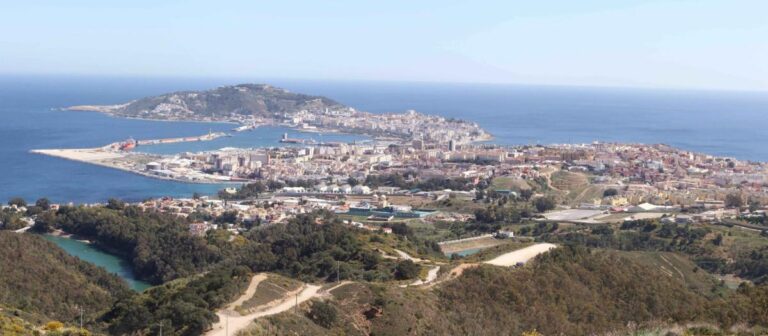
Perched on a small peninsula jutting into the Mediterranean from the African continent, this remarkable city occupies one of the most strategically important locations on Earth. To one side lies Europe. To the other, Africa. Between them stretches the Strait of Gibraltar—a narrow ribbon of water through which millions of ships have sailed for centuries.
Few places have witnessed so many empires come and go.
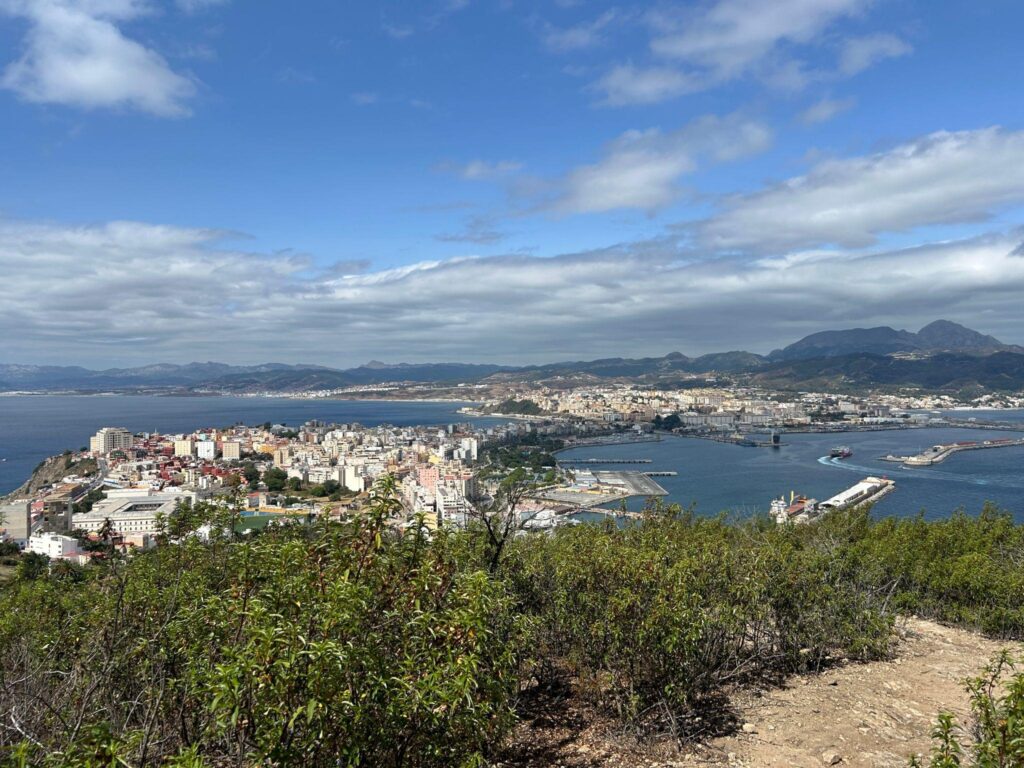
Photo: (Flickr contributor) via Wikimedia Commons (CC BY 2.0). (Wikimedia Commons)
Where History Began
Long before modern borders were drawn, Phoenician traders established a settlement here, recognising the immense value of its sheltered harbour. The Greeks later looked upon the mountains flanking the Strait of Gibraltar as the legendary Pillars of Hercules, believing this to be the very edge of the known world.
The Romans transformed the settlement into Septem Fratres—”Seven Brothers”—named after the hills overlooking the city. They built roads, baths and fortifications, knowing that whoever controlled Ceuta controlled one of the Mediterranean’s most important gateways.
Even today, it is difficult to stand overlooking the Strait without imagining Roman galleys, merchant vessels and military fleets passing beneath.
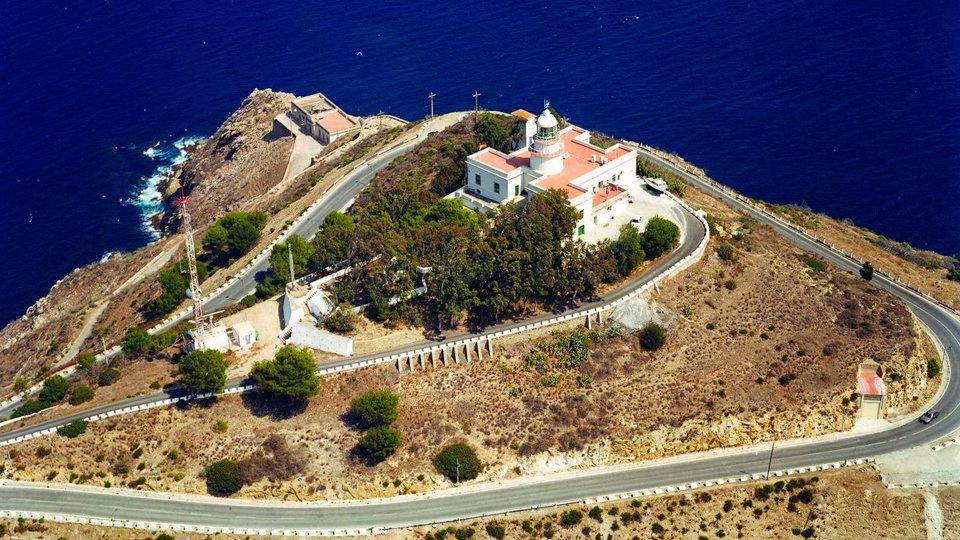
Photo via Wikimedia Commons (CC BY-SA 2.0). (Wikimedia Commons)
The Meeting Place of Civilisations
Following the arrival of Islam in North Africa, Ceuta became an important centre of trade, learning and culture. Merchants from across Africa, Europe and the Middle East passed through its bustling streets, bringing with them languages, customs and ideas that would leave their mark on the city.
Its strategic importance only grew.
Then, in 1415, everything changed.
Portugal captured Ceuta in what many historians regard as the opening chapter of Europe’s Age of Discovery. From this small foothold in Africa, Portuguese explorers would begin the voyages that eventually mapped the African coastline and opened sea routes to India and beyond.
History quite literally changed direction from this small peninsula.
Why Ceuta Is Spanish
When the crowns of Spain and Portugal were united in 1580, Ceuta came under the Spanish monarchy. Even after Portugal regained its independence sixty years later, the people of Ceuta chose to remain loyal to Spain. That decision was formally recognised in the Treaty of Lisbon of 1668, and for more than three and a half centuries the city has remained under Spanish sovereignty.
Today, Ceuta is one of Spain’s two autonomous cities in North Africa and forms part of the European Union despite lying on the African mainland.
Its status remains disputed by Morocco, which claims the territory. Spain, however, regards Ceuta as an integral part of the nation, with a history of continuous Spanish administration stretching back centuries. For many Spaniards, Ceuta is not a colony or overseas possession, but simply another part of Spain whose strategic position and unique cultural heritage make it especially significant.
Walking through its streets, that Spanish identity is unmistakable. Spanish cafés spill onto elegant plazas, European architecture lines the boulevards, and yet the city is enriched by Arab, Jewish, Hindu and Christian traditions that have coexisted here for generations.
It is a fascinating blend unlike anywhere else in Europe—or Africa.
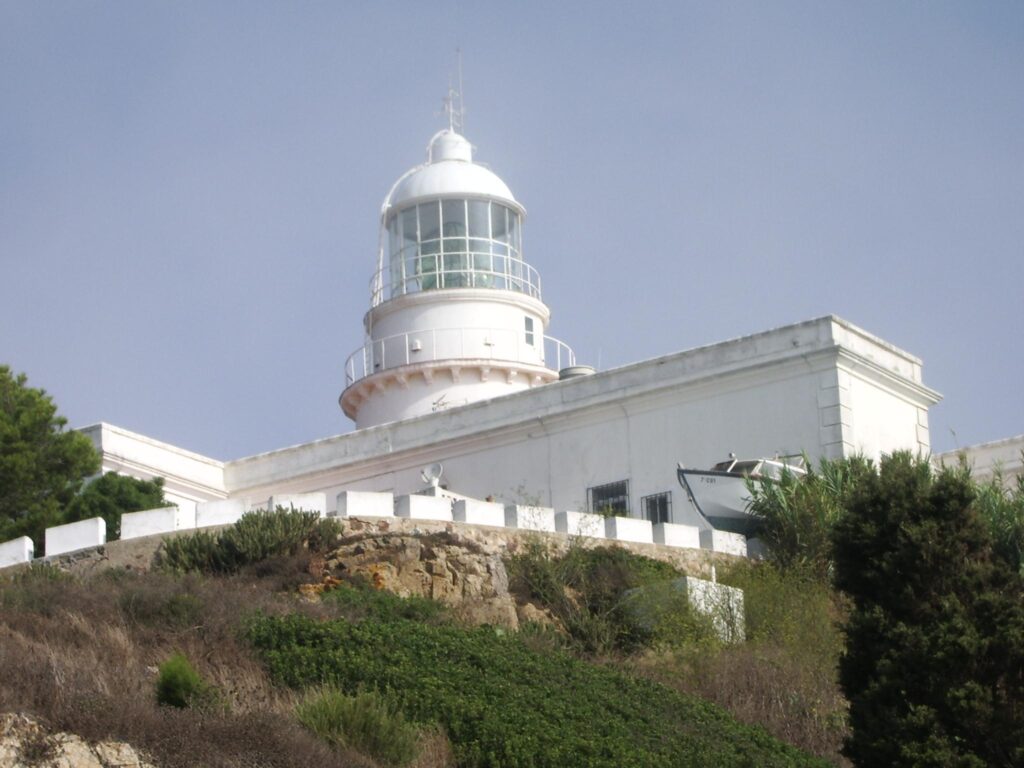
A Fortress Worth Exploring
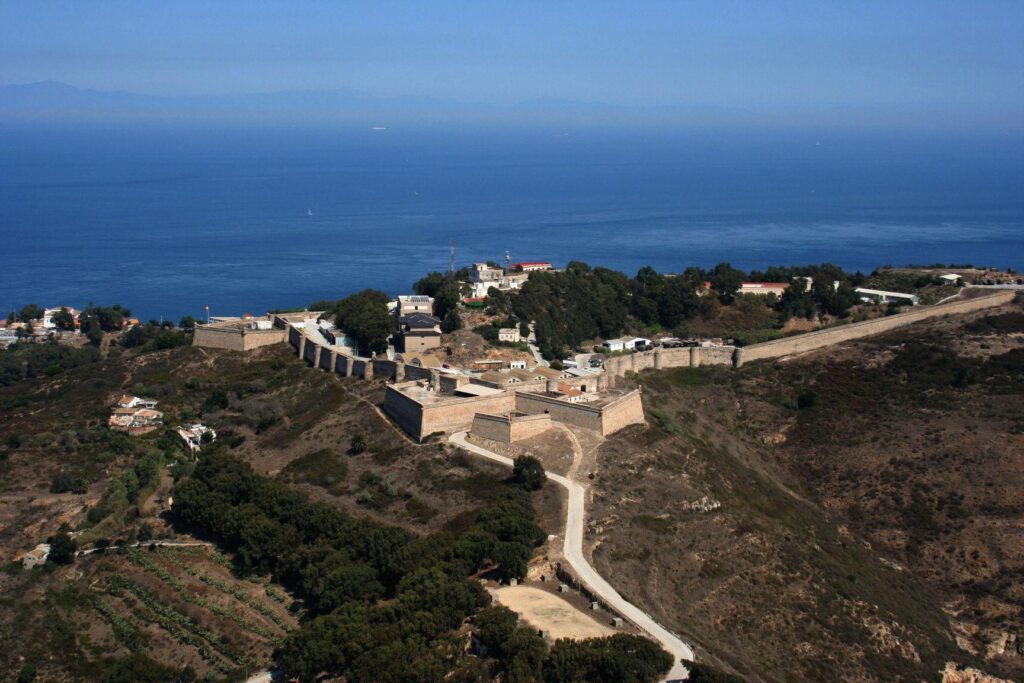
The Royal Walls remain among the city’s most impressive sights, complete with their remarkable defensive moat. Palm-lined promenades overlook sparkling blue waters, while viewpoints reveal spectacular panoramas across the Strait towards mainland Spain.
On a clear day, Europe appears almost close enough to touch.
History is never far away. Every bastion, every gate and every stone seems to whisper stories of sieges, explorers, merchants and soldiers who understood the importance of this extraordinary place.
Should You Visit?
Ordinarily, I would say absolutely.
Ceuta is one of Europe’s hidden gems—rich in history, wonderfully walkable and unlike anywhere else I’ve visited. It deserves far more attention than it receives.
However, travel is about more than beautiful destinations; it’s also about timing. Given the current regional tensions and the potential for disruption around the border, I’d personally recommend waiting until the situation has settled before planning a visit. Keep an eye on official travel advice and local developments, as conditions can change.
When the time is right, Ceuta will still be there—its walls still standing, its history still waiting to be discovered, and its unique position as a bridge between two continents as captivating as ever.
Some places are simply destinations.
Ceuta is a lesson in history, geography and civilisation wrapped into one unforgettable city.
Final Thoughts
Some destinations impress with beaches.
Others with mountains.
Ceuta does something far rarer.
It reminds us that geography shapes history, and that a small peninsula on the edge of a continent can influence the course of civilisation for thousands of years.
When the time is right to visit, few places offer a richer journey through Europe’s and Africa’s shared past.
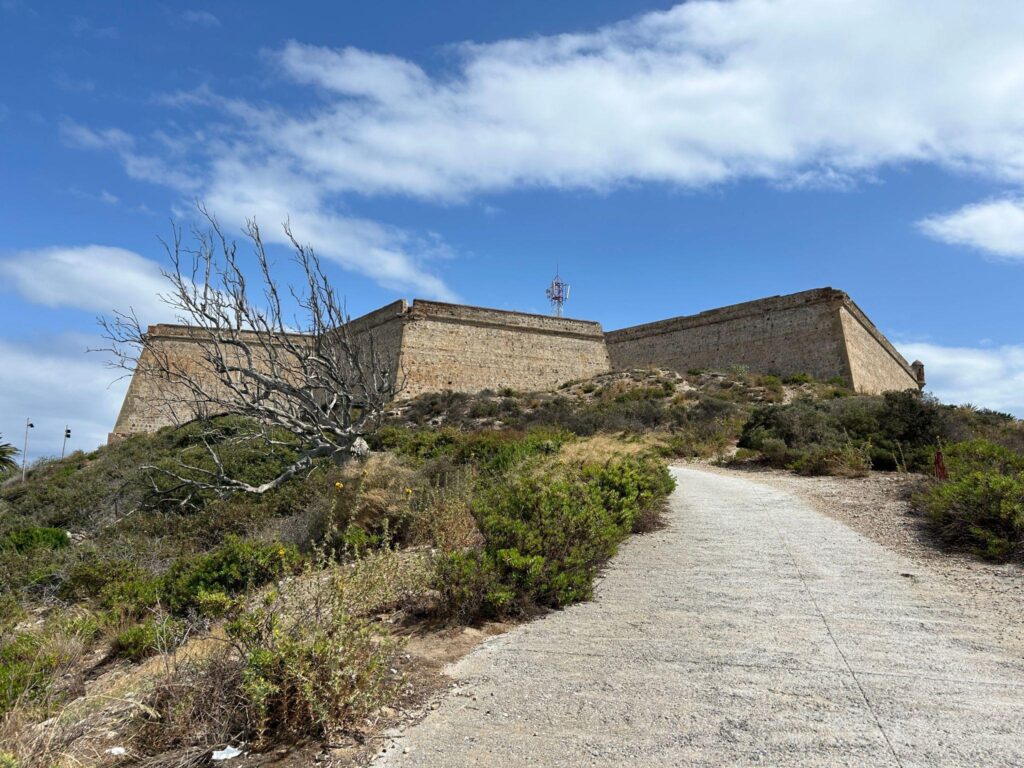
Image credits: Unless otherwise stated, photographs are used under Creative Commons licences from Wikimedia Commons. Individual image credits appear beneath each photograph.
Jump to
- Jump to
- Our Experienced Traveler Tips: Australia on a Budget
- Traveling Australia on a Budget: Best 10 Tips
- 1: Budget-Friendly Accommodation
- 2: Affordable Transportation
- 3: Embrace Free and Low-Cost Attractions
- 4: Opt for Discount Passes and City Cards
- 5: Relish in Budget-Friendly Dining
- 6: Utilize Public Transport
- 7: Travel During Off-Peak Seasons
- 8: Experience the Great Outdoors
- 9. Work and Travel Opportunities
- 10. Utilize Travel Apps and Loyalty Programs
- Frequently Asked Questions (FAQ) – Traveling Australia on a Budget
- Traveling Australia on a Budget – Final Thoughts
- Africa
- Angola
- Antarctica
- Asia
- Blog
- Burundi
- California
- Canada
- Caribbean North
- Caribbean South
- China
- Croatia
- Europe
- France
- Germany
- India
- Ireland
- Italy
- Japan
- Lesotho
- Liberia
- Netherlands
- Niger
- North America
- Oceania
- Philippines
- Saint Kitts and Nevis
- Sierra Leone
- South America
- Spain
- Suriname
- Switzerland
- Tajikistan
- Togo
- Tonga
- Travel Tips
- Trinidad and Tobago
- Turkey
- Turkmenistan
- Tuvalu
- UK
- USA
- Uzbekistan
Ceuta History: How 1 Small City Helped Shape World History
Following the arrival of Islam in North Africa, Ceuta became an important centre of trade, learning and culture. Merchants from across Africa, Europe and the Middle East passed through its bustling streets, bringing with them languages, customs and ideas that would leave their mark on the city.
The Complete History of Ceuta is Fascinating
It’s important to understand the complete history of Ceuta. Following the arrival of Islam in North Africa, Ceuta became an important centre of trade, learning and culture. Merchants from across Africa, Europe and the Middle East passed through its bustling streets, bringing with them languages, customs and ideas that would leave their mark on the city.
Our Top 5 Best Places to Visit in Egypt
Egypt Unveiled: Exploring the Land of Pharaohs and Pyramids Welcome to Egypt, a land where ancient wonders and vibrant culture converge in a mesmerizing fusion. Whether you’re an archaeology enthusiast, an adventure seeker, or simply a lover of rich history, Egypt has something extraordinary to offer at every turn. Let’s embark on a journey through…

Europe: A Tapestry of Diversity, Culture and Adventure
Europe, a continent as diverse as it is beautiful, is a traveler’s dream come true. From the snow-capped peaks of the Alps to the sun-kissed beaches of the Mediterranean, Europe offers an enchanting mix of experiences for every type of traveler. Join us as we embark on a journey through the heart of Europe, discovering…

Our Top 5 Best Places to Visit in Kuwait
Discovering Kuwait: Journey Through its Hidden Treasures Hey fellow wanderlusters, let’s dive into Kuwait’s kaleidoscope of culture, where the past meets modernity. I’ve uncovered five must-visit spots for the young and adventurous traveler. From sipping on sweet tea under Bedouin tents to catching epic sunsets, Kuwait is an adventure waiting to happen. Map of Kuwait…

Our Top 5 Best Places to Visit in Dominica
Dominica: Where Adventure Meets Paradise Welcome to Dominica, the “Nature Island” of the Caribbean. If you’re seeking a destination that’s off the beaten path, brimming with natural wonders and adventure, you’ve found it. Here, you’ll explore lush rainforests, soak in rejuvenating hot springs, and dive into sparkling turquoise waters. Let’s embark on a journey to…