Unforgettable Travertines in Pamukkale and Hierapolis:
Pamukkale’s Travertines: A Natural Wonder of Turkey
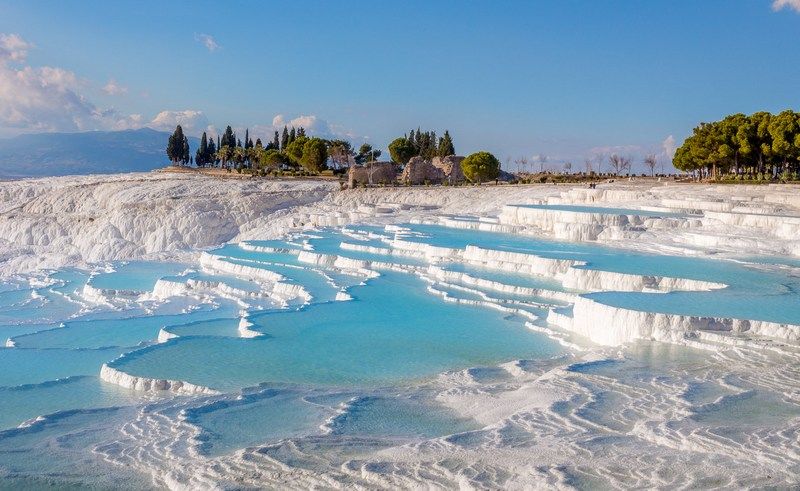
Nestled in southwestern Turkey, Pamukkale is a mesmerizing destination renowned for its captivating travertine terraces. Known as “Cotton Castle” in Turkish, the travertines in Pamukkale are a true natural wonder, with their dazzling white formations and crystal-clear thermal pools. In this blog post, we will delve into the beauty and history of Pamukkale’s travertines, exploring why they have become a must-visit attraction for travelers from around the world.
When you picture Turkey, you’ll probably have a vision of beach resorts and the city of Istanbul. This is unsurprising, this is most people’s vision of Turkey, however what you might be surprised to see is the amazing landscape that blows your mind away from the common conception of this amazing land – Pamukkale – a UNESCO World Heritage Site.
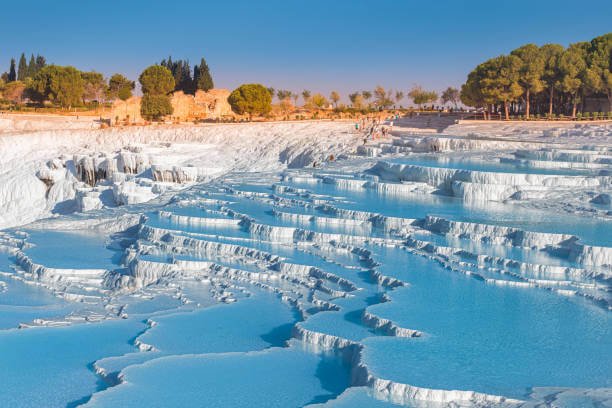
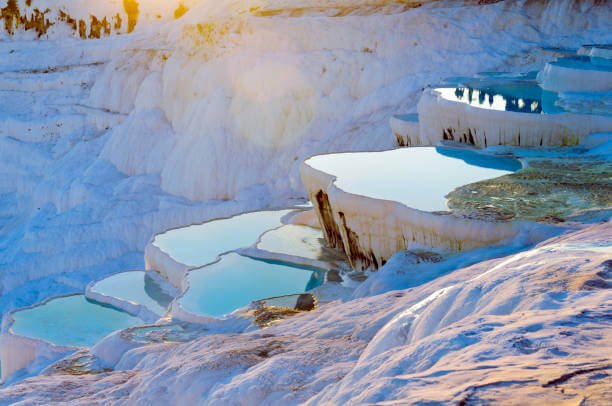
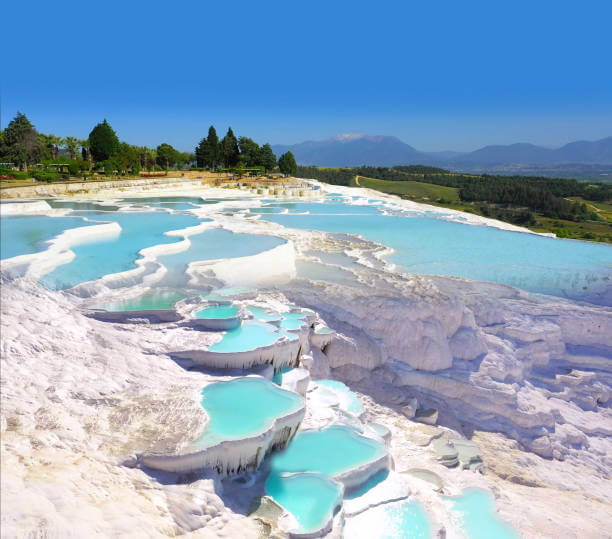
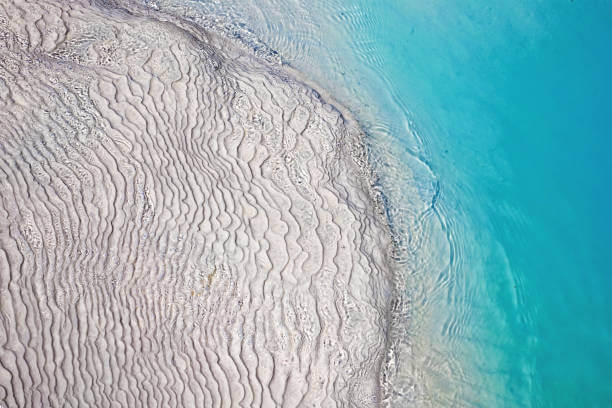
When you first see the huge, brilliant white plateau that is the main attraction in Pamukkale, you could be forgiven for thinking you’d landed at a ski resort somewhere a lot colder. What you’re actually seeing is calcium deposits, but we’ll get onto what it actually is a little more later.
Pamukkale is one of Turkey’s premier tourist hot-spots, full of nature and history, which thrills visitors time and time again. Of course, heading here during the peak summer season will mean crowds and it will mean extreme heat, so to be honest, May, September, and October, are the best times to go.
Map of Pamukkale Location:
What is Pamukkale?
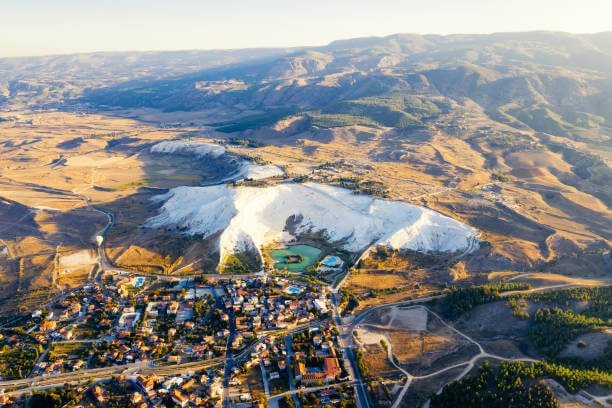
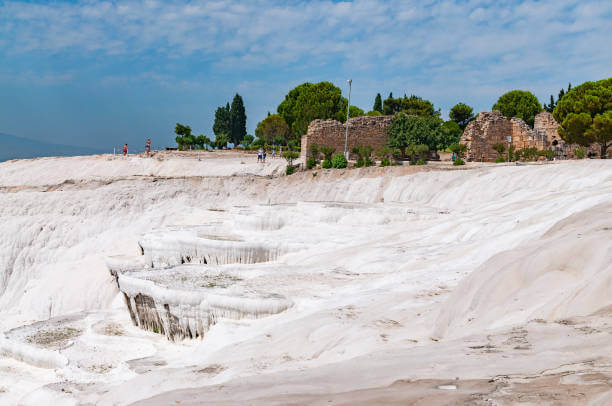
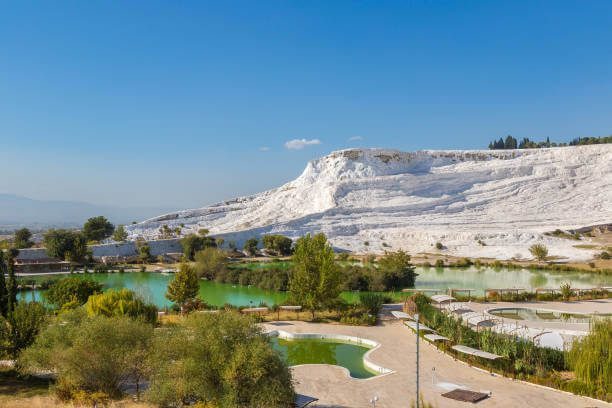
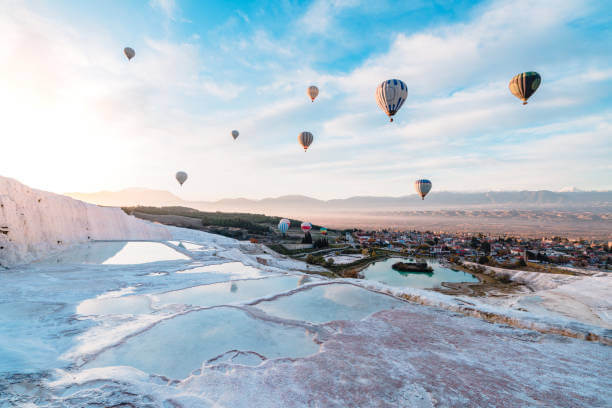
Pamukkale is a region of hot thermal springs, located around 11 miles north of Denizli, dating back to Roman times. The nearby spa city of Hierapolis is also well worth a visit, and is located slap bang at the top of the travertines. You arrive at the ancient city of Hierapolis after traversing up through the travertines from the village. Hierapolis is spectacular and a great place to watch the sunset, but more on Hierapolis later
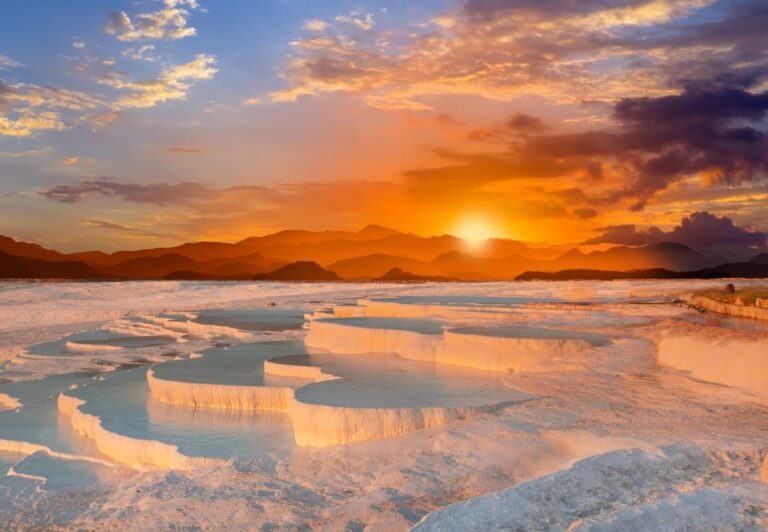
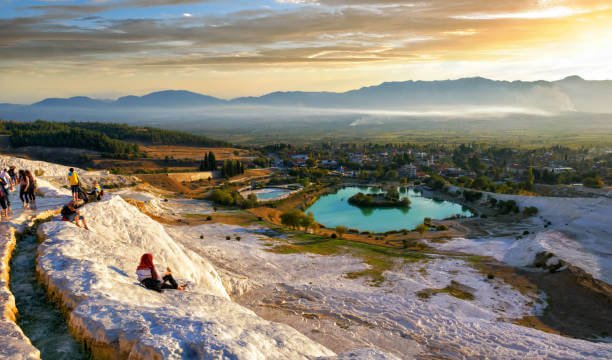
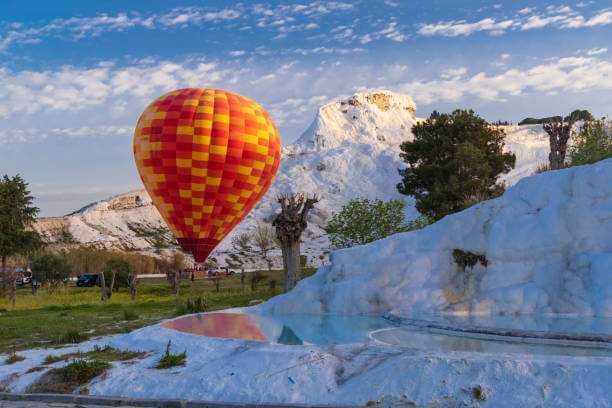
Please bear in mind, if you take one of the coach day trips, you will have to leave well before the sunset and so will miss this amazing experience. The sunsets from the ancient city of Hierapolis, looking out over the travertines are spectacular. Pamukkale itself is UNESCO protected, telling you something about the magnificence of the area.
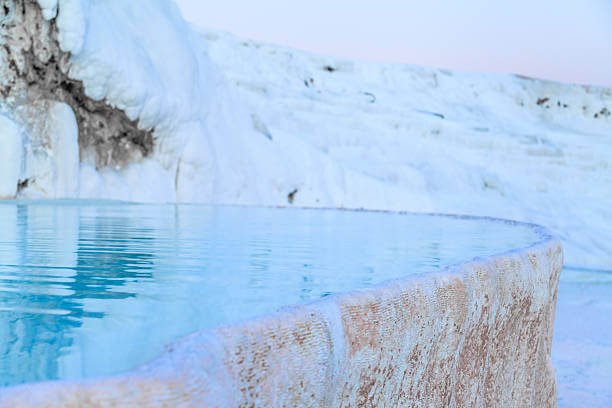
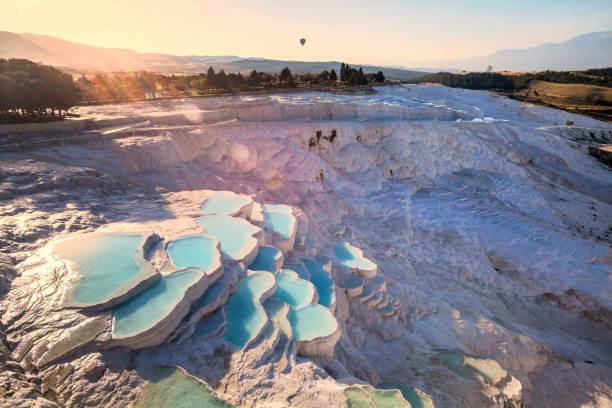
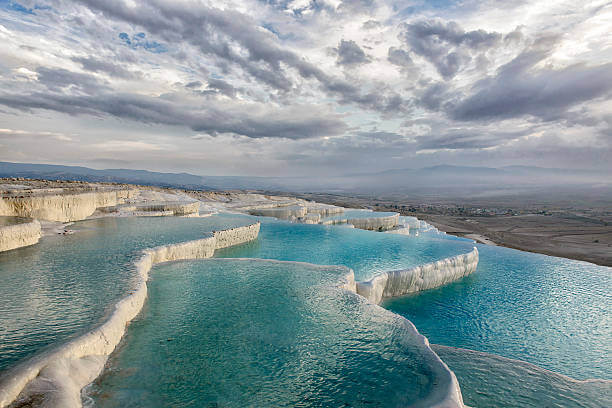
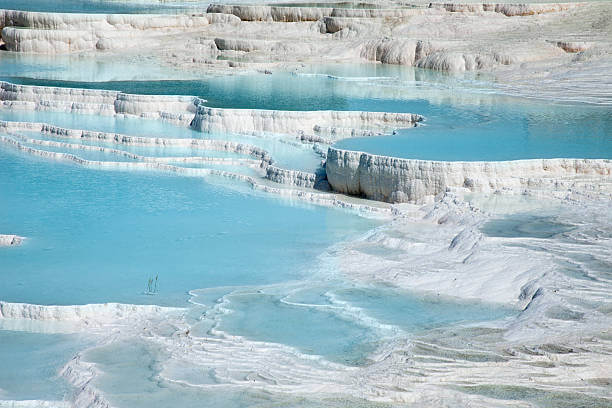
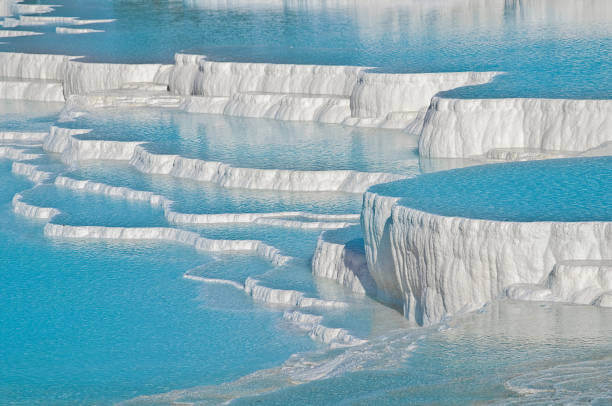
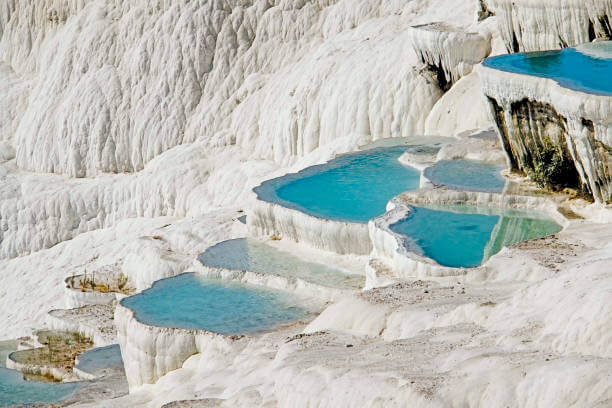
It’s hard to describe the wonder of Pamukkale without you actually having seen it for yourself, but understanding what it actually is does tend to help. Basically, Pamukkale translates as ‘cotton castle’, describing the brilliant white landscape. It is a thermal spring which cascades down off the cliff, forming steps which are anywhere between 1 metre to 6 metres high. The steps are made of calcium deposits, which have dried and formed hard, smooth rocks.
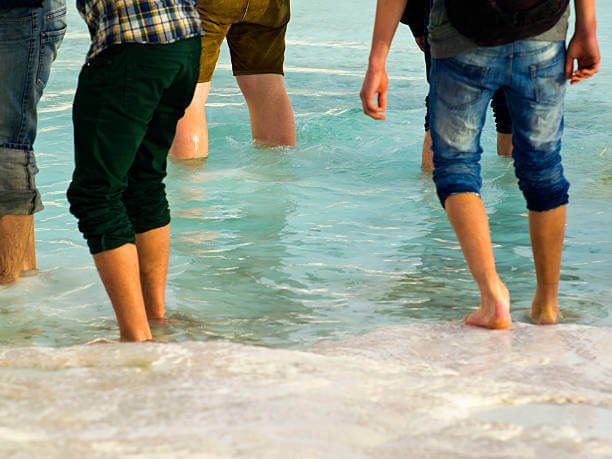
The calcite-laden springs form waterfalls, and leave behind semi-circular steps, with water that is a delicious 35 degrees in heat. This is of course what gives therapeutic and health-laden benefits. One word of warning – it can be slippery, so do watch your step! You do have to take your shoes off before setting foot on the travertines.
1. The Formation of the Travertines in Pamukkale
Pamukkale’s travertines are the result of thousands of years of geological processes. The terraces are formed by the precipitation of calcium carbonate from the mineral-rich thermal waters that flow down the slopes of the hillside. Over time, the build-up of these deposits created the stunning white cascades that we see today.
2. Hierapolis: An Ancient City atop the Terraces
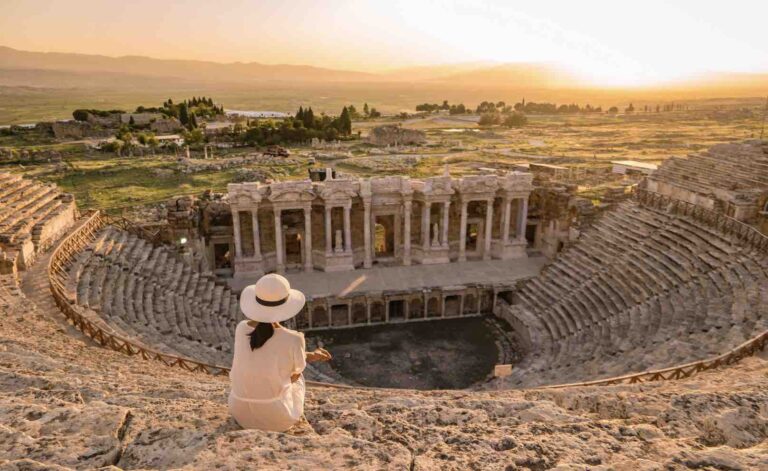
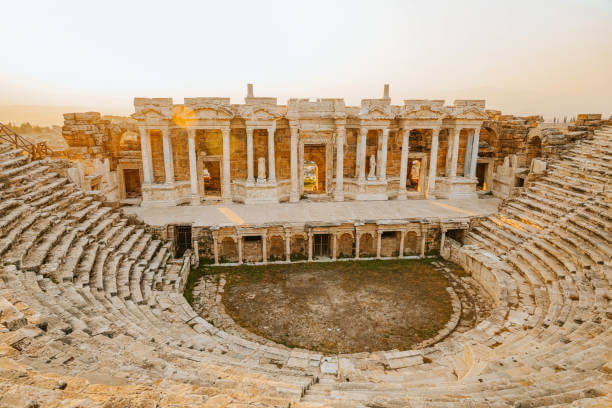
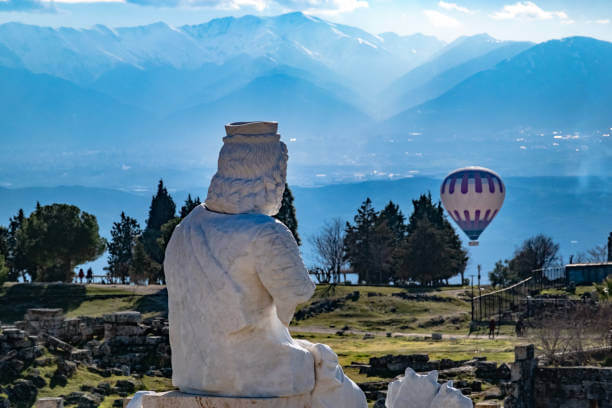
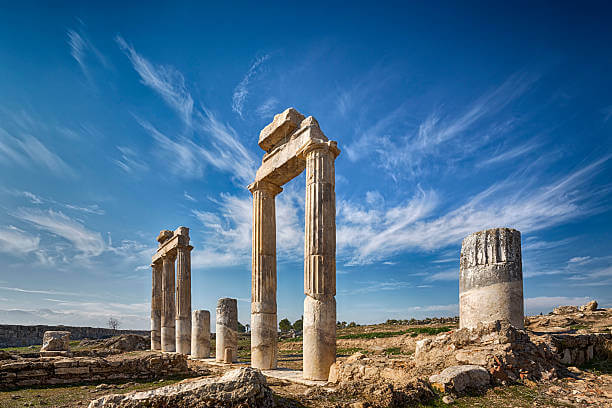
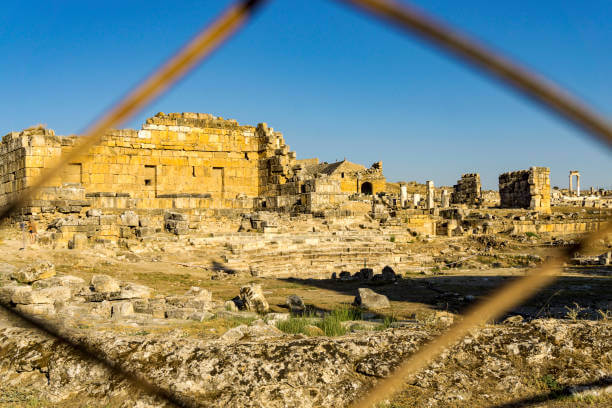
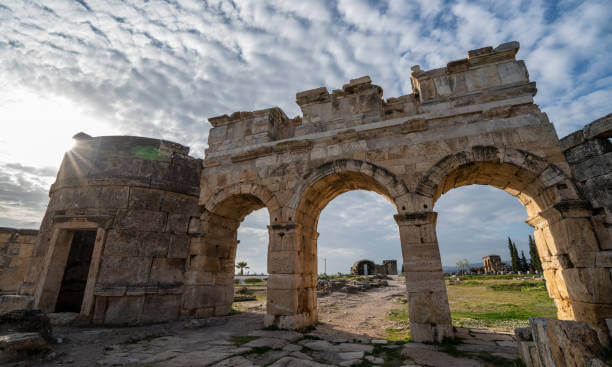
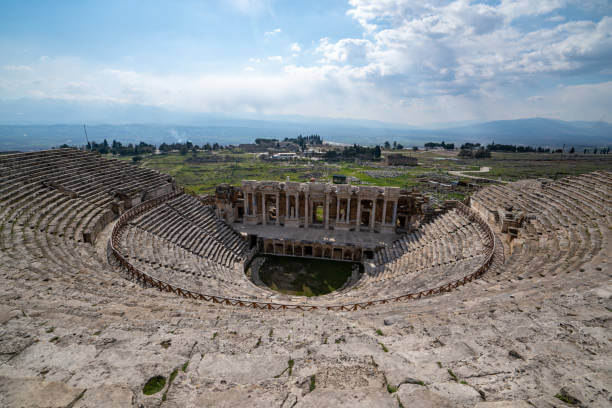
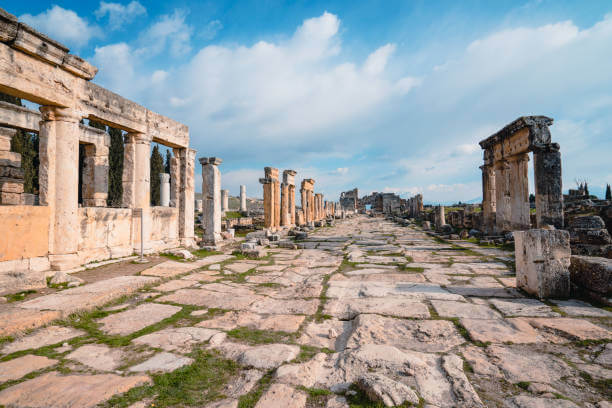
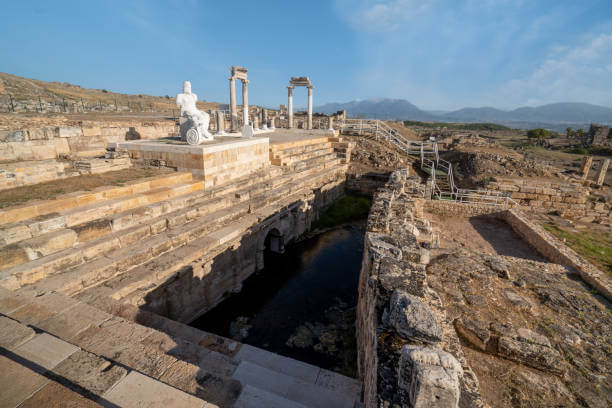
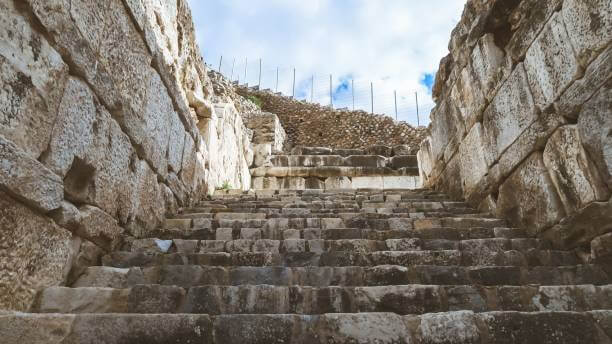
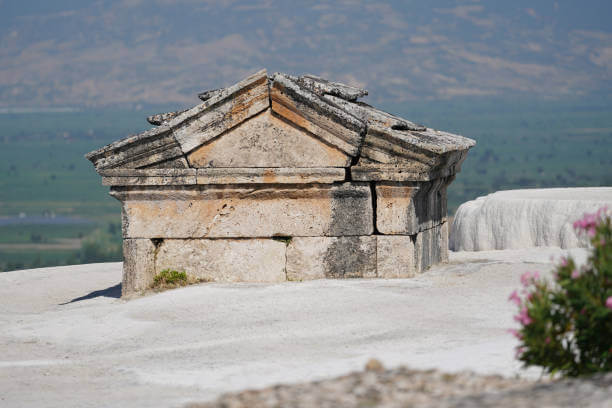
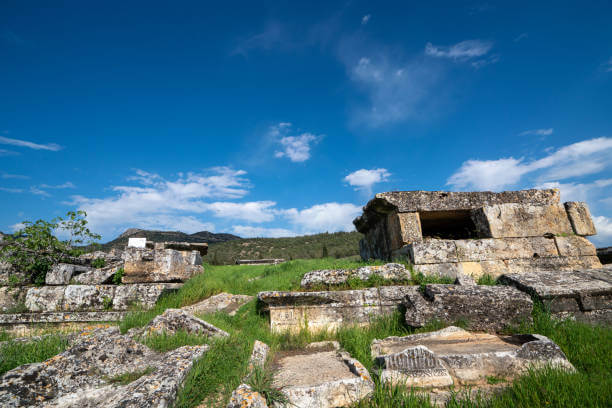
Perched atop the travertines, the ancient city of Hierapolis adds historical significance to the natural beauty of Pamukkale. Explore the archaeological site, which includes well-preserved ruins such as the Roman theater, the Temple of Apollo, and the Necropolis. Witness the remnants of a once-thriving city while enjoying panoramic views of the surrounding landscape.
3. Thermal Pools: A Soothing Experience
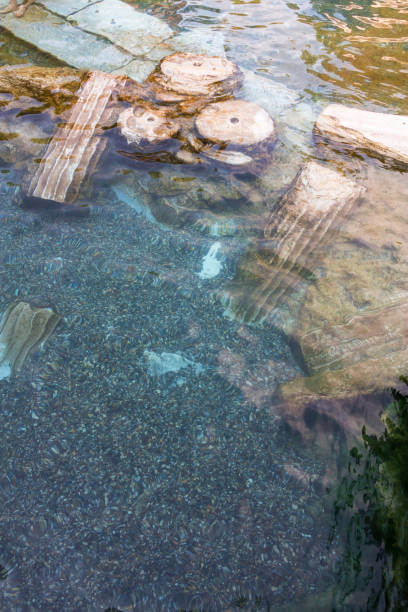
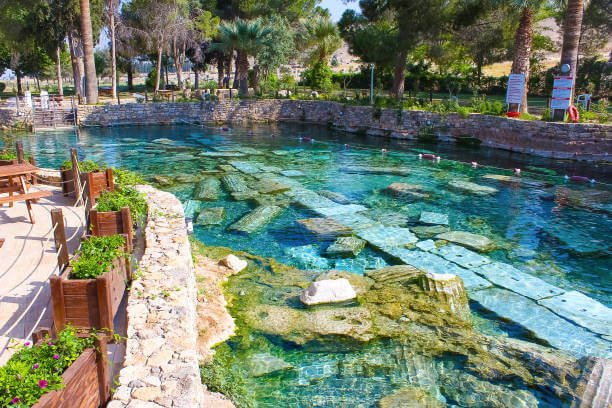
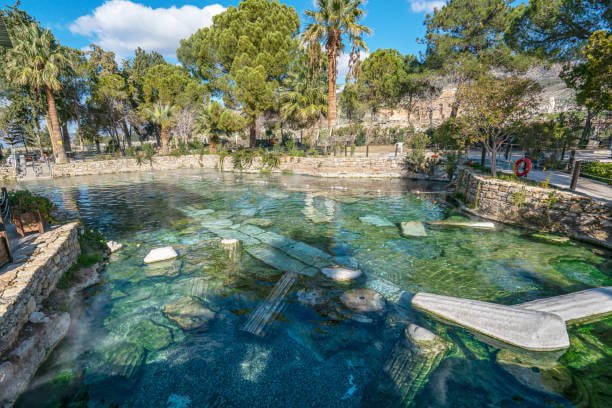
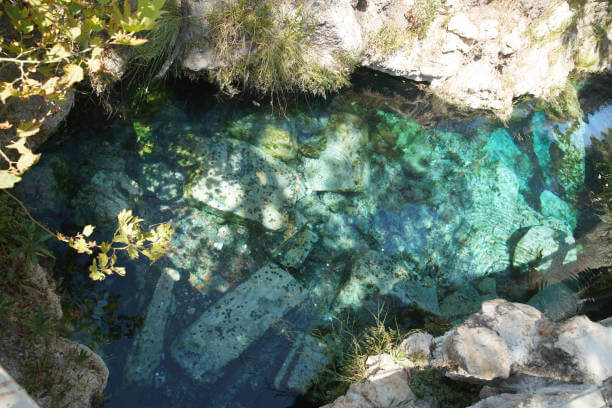
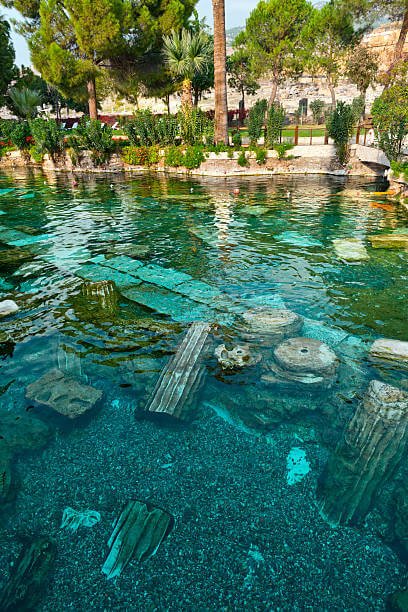
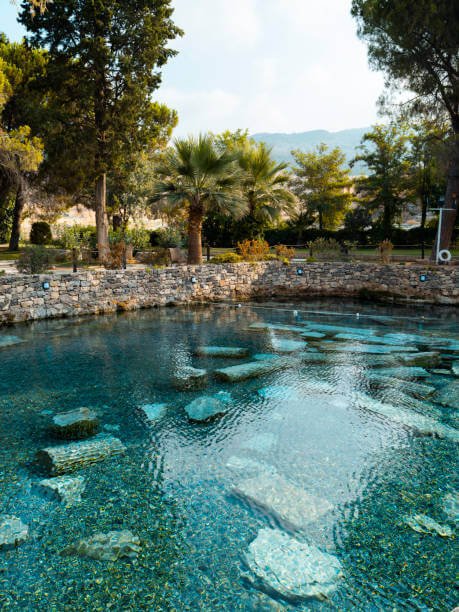
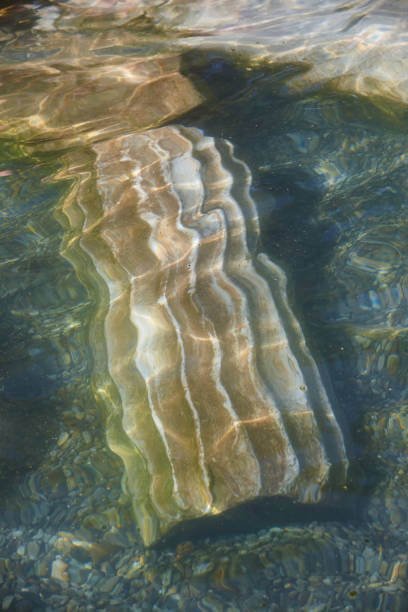
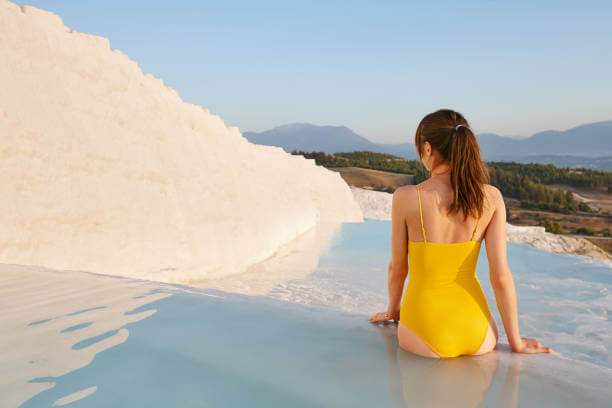
The thermal waters that flow through Pamukkale’s terraces are not only visually stunning but also offer a unique bathing experience. Visitors can dip their feet or even immerse themselves in the warm, mineral-rich pools. The waters are believed to have healing properties and are particularly soothing for the skin. Relax and rejuvenate in this natural spa-like setting.





4. Conservation Efforts: Preserving a Natural Treasure
To protect the delicate travertine formations, access to certain areas is restricted, and visitors are encouraged to walk along designated pathways. This conservation effort ensures the long-term preservation of Pamukkale’s natural beauty, allowing future generations to experience its splendor.
5. Sunset and Sunrise: Capturing Magical Moments
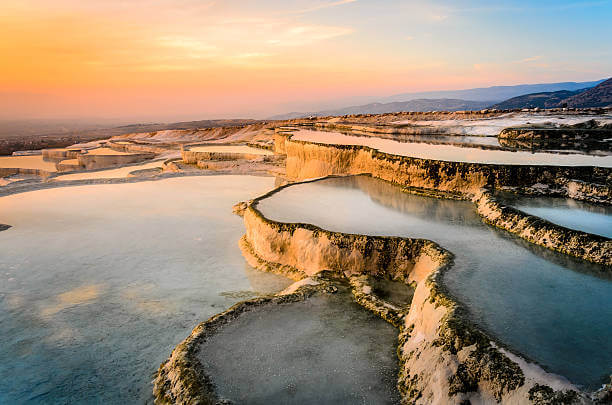
Witnessing the travertines during the golden hours of sunrise or sunset is a truly magical experience. The soft hues of the sky against the gleaming white terraces create a surreal and unforgettable scene. Plan your visit accordingly to catch these breathtaking moments and capture stunning photographs.
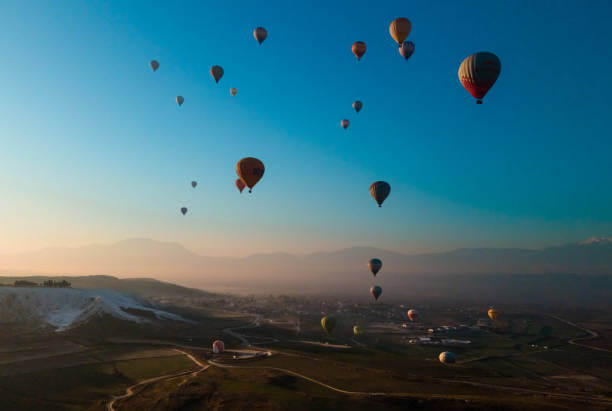
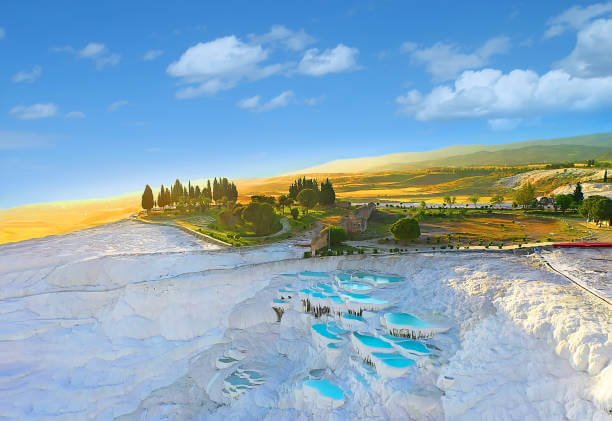
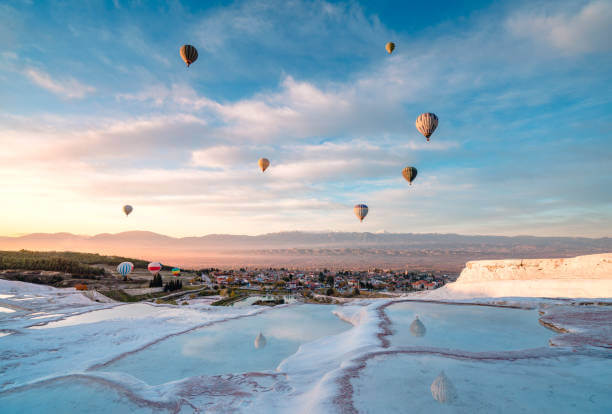
How can I get to the Travertines in Pamukkale? I want to see this place!
The good news is that Pamukkale is very easy to get to, the bad news however is that if you’re visiting from one of the larger resorts on the south coast, such as Marmaris, you’re looking at quite a lengthy drive, around 4-5 hours, depending on the time of season and how busy it is.
A popular way to visit is by combining nearby Ephesus, an ancient Roman city of ruins, with Pamukkale, and you’ll find tour vendors offering overnight trips for a good price. Haggle down your cost if you can, because if you can see these two wonders at the same time then you’re in for a treat. The only downside of visiting on an organised tour, instead of heading there on your own steam from a nearby city such as Izmir, is as we said before, that you will most likely miss the quite spectacular sunsets.
Tours tend to leave before the sun goes down, especially during the summer months, and to see the orange glow cast across the landscape here is something to truly savour. Bear this in mind when you’re planning how to visit.
Pamukkale Town is at the very bottom of the plateau, so if you’re planning on staying overnight, then you’ll find hotels down here, although the price can be a little inflated, simply because you’re in the heart of tourist land. Having said that, perhaps it’s worth it to see the sunset.
Are the Travertines in Pamukkale worth the fuss?
Put simply, heck yes! A combination of nature and history is something special, but when you cast your eyes on this landscape, you’ll have a lot of trouble believing what you’re seeing. Pamukkale is special because you’re unlikely to see anything similar anywhere else in the world. The Roman history adds another dimension, and believe me, the photos you’ll have from your time here will be special indeed.

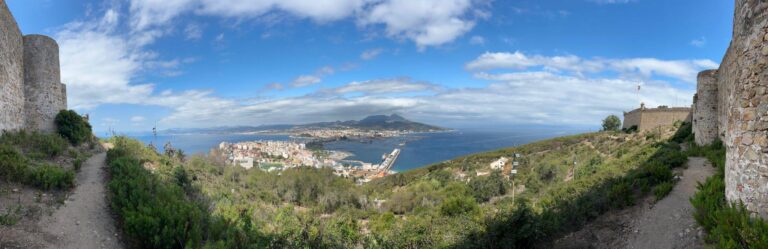
Ceuta History: How 1 Small City Helped Shape World History
Following the arrival of Islam in North Africa, Ceuta became an important centre of trade, learning and culture. Merchants from across Africa, Europe and the Middle East passed through its bustling streets, bringing with them languages, customs and ideas that would leave their mark on the city.
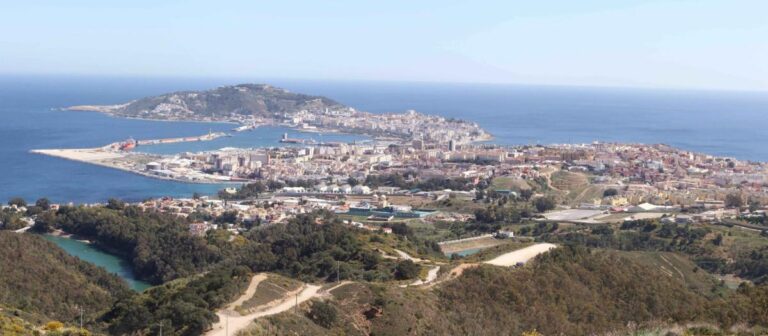
The Complete History of Ceuta is Fascinating
It’s important to understand the complete history of Ceuta. Following the arrival of Islam in North Africa, Ceuta became an important centre of trade, learning and culture. Merchants from across Africa, Europe and the Middle East passed through its bustling streets, bringing with them languages, customs and ideas that would leave their mark on the city.

Our Top 5 Best Places to Visit in Egypt
Egypt Unveiled: Exploring the Land of Pharaohs and Pyramids Welcome to Egypt, a land where ancient wonders and vibrant culture converge in a mesmerizing fusion. Whether you’re an archaeology enthusiast, an adventure seeker, or simply a lover of rich history, Egypt has something extraordinary to offer at every turn. Let’s embark on a journey through…
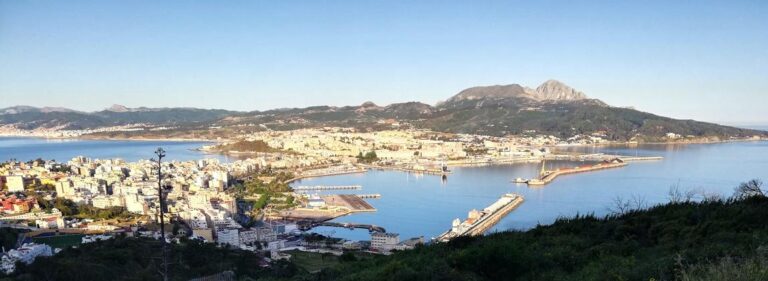
Ceuta – Europe’s Forgotten Fortress on the Edge of Africa
Following the arrival of Islam in North Africa, Ceuta became an important centre of trade, learning and culture. Merchants from across Africa, Europe and the Middle East passed through its bustling streets, bringing with them languages, customs and ideas that would leave their mark on the city.

Europe: A Tapestry of Diversity, Culture and Adventure
Europe, a continent as diverse as it is beautiful, is a traveler’s dream come true. From the snow-capped peaks of the Alps to the sun-kissed beaches of the Mediterranean, Europe offers an enchanting mix of experiences for every type of traveler. Join us as we embark on a journey through the heart of Europe, discovering…

Our Top 5 Best Places to Visit in Kuwait
Discovering Kuwait: Journey Through its Hidden Treasures Hey fellow wanderlusters, let’s dive into Kuwait’s kaleidoscope of culture, where the past meets modernity. I’ve uncovered five must-visit spots for the young and adventurous traveler. From sipping on sweet tea under Bedouin tents to catching epic sunsets, Kuwait is an adventure waiting to happen. Map of Kuwait…
Would you like to find Cheap Business Class Flights? – Here are 5 things you can do
These are our Top 10 Best Travel Destinations Worldwide 2023
California Dreaming: Best Places to Visit in California
Our Best 10 Affordable Vacation Destinations if you are on a tight budget
Check out our 5 top beaches in the Philippines
Our Absolute Best Free Places to Visit in New York That are FREE!
Exploring the Wonders of Australia – A Traveler’s Paradise – 7 of Our All Time Favourites
Backpacking in Australia – An Absolute Must for the Young and Carefree
Our Top 5 Things to do in Majorca Away From the Sand
Travertines in Pamukkale – by David John
Travertines in Pamukkale Cover Image: tripoto
Travertines in Pamukkale: flickr images licensed under CC BY 2.0
Additional images: adobe · colourbox · istock · pexels · shutterstock · unsplash unless otherwise stated.
This concludes our Travertines in Pamukkale. We hope you find this information useful. If you are looking for a specific piece of information, please do comment below as we may have just forgotten to mention it.
Was our ‘Travertines in Pamukkale’ helpful to you?
Let us know your thoughts in the comments below..