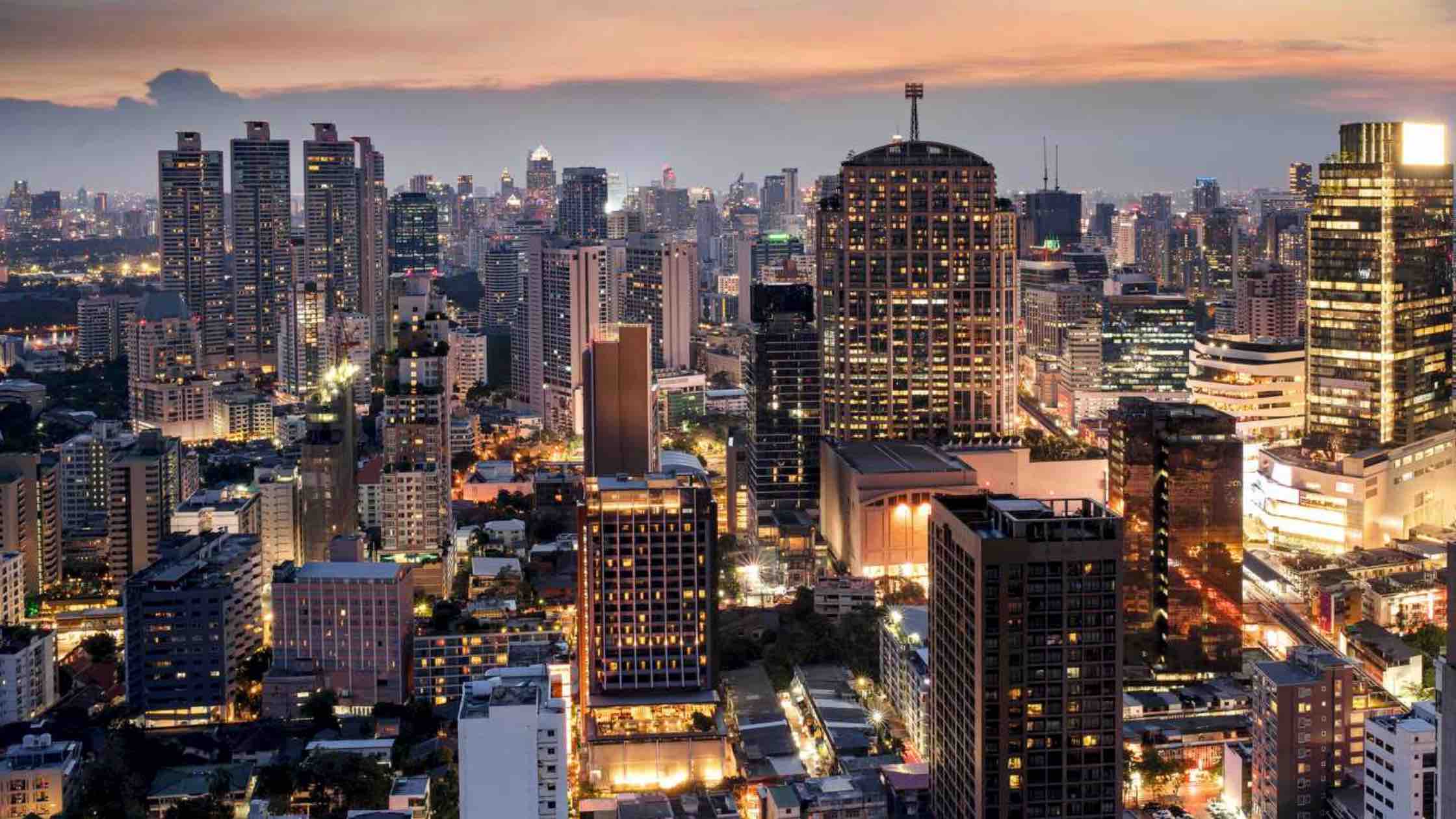
Our Top 5 Best Places To Visit In Angola:
Unveiling the Magnificence: The 5 Best Places to Visit in Angola
Embarking on a journey to Angola means delving into a world of breathtaking landscapes, rich history, and vibrant culture. From pristine beaches to historical landmarks, this African gem offers an array of unforgettable experiences. In this travel blog post, we’ll unveil the top 5 must-visit places in Angola that promise to leave you awe-inspired and captivated.
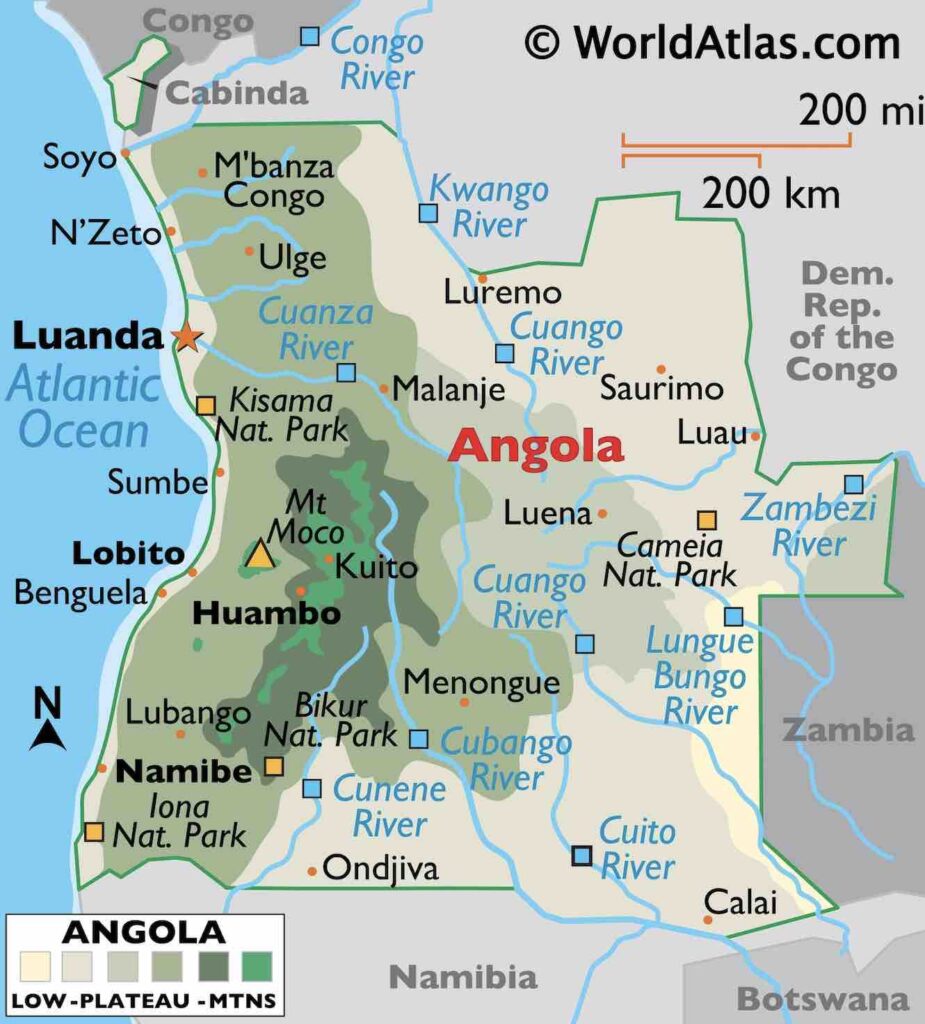
Map of Angola:
Angola’s Location in Africa:
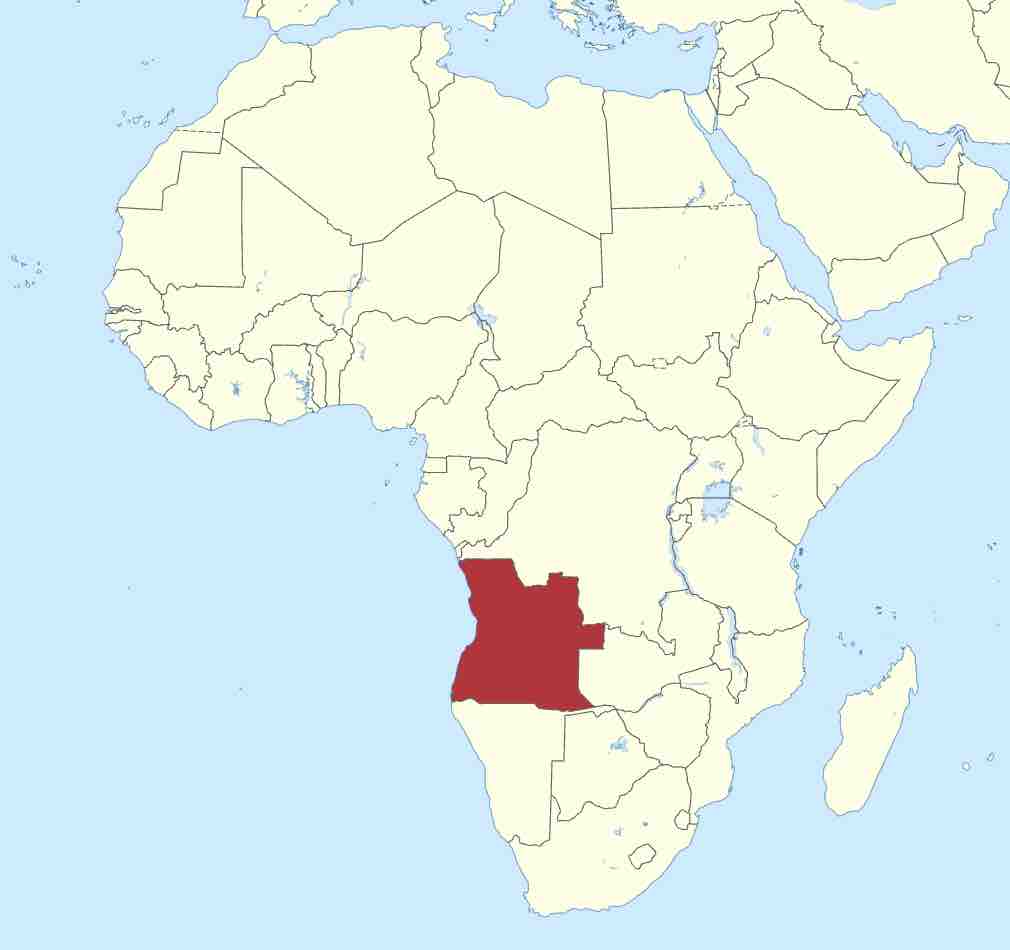
Countries Bordering Angola:
Angola is located on the western Atlantic Coast of Southern Africa and is bordered by 3 countries: Namibia to the south, Zambia to the east, the Democratic Republic of the Congo to the north-east (formerly Zaire) and the South Atlantic Ocean to the west. The population of Angola is estimated at 36,923,087 September 2023.
Our Top 5 Best Places To Visit In Angola:
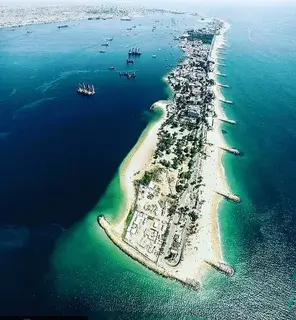
1. Luanda – The Heartbeat of Angola:
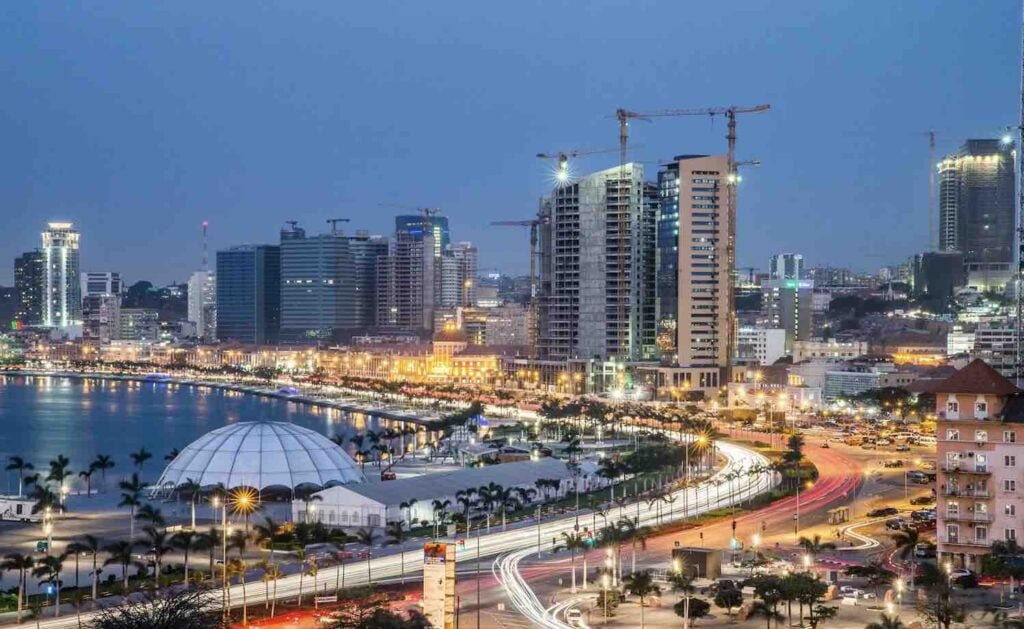
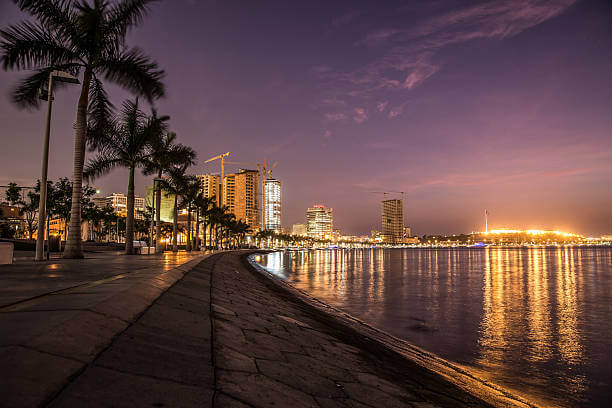
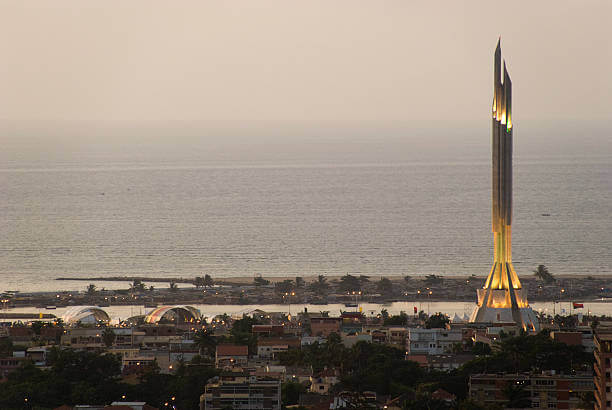
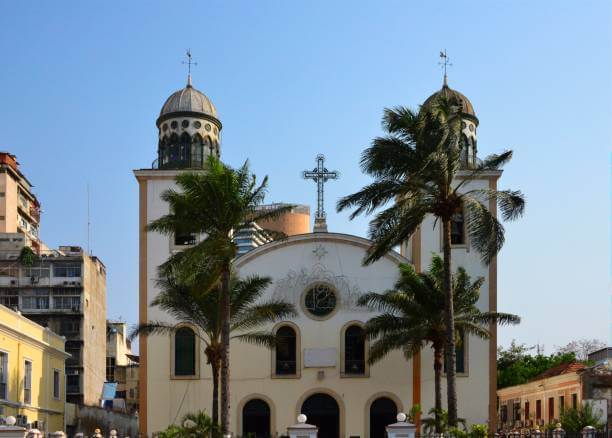
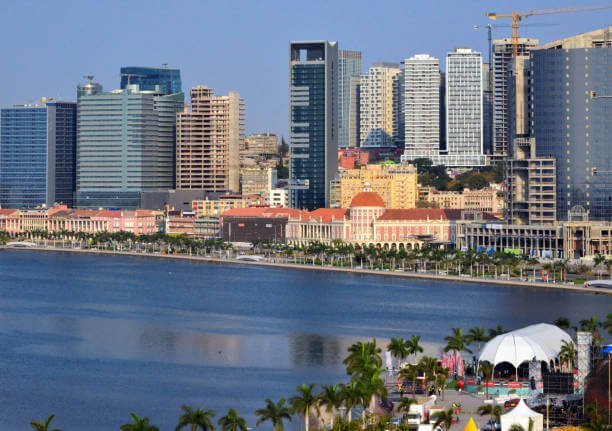
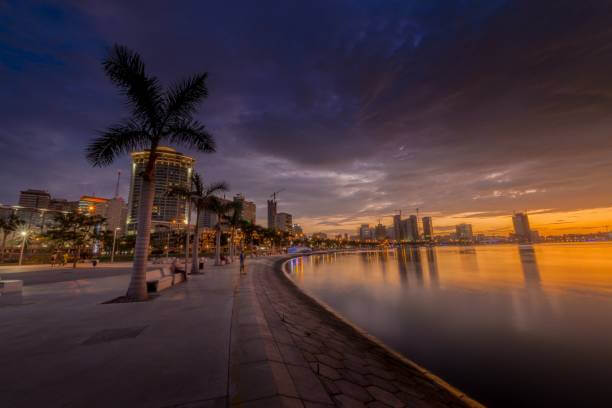
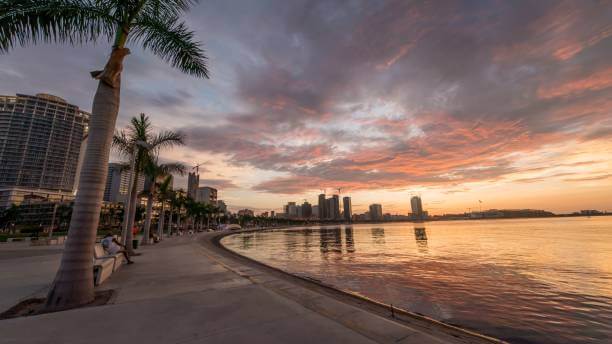
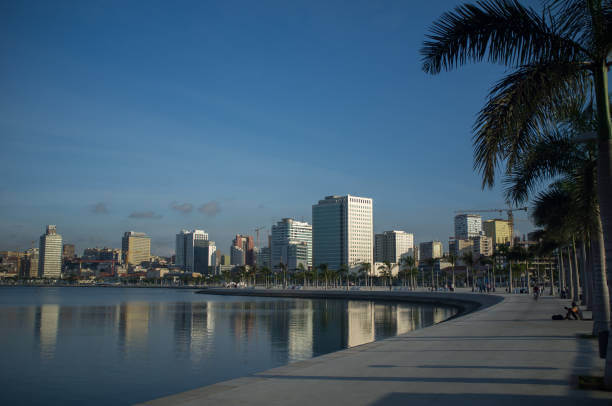
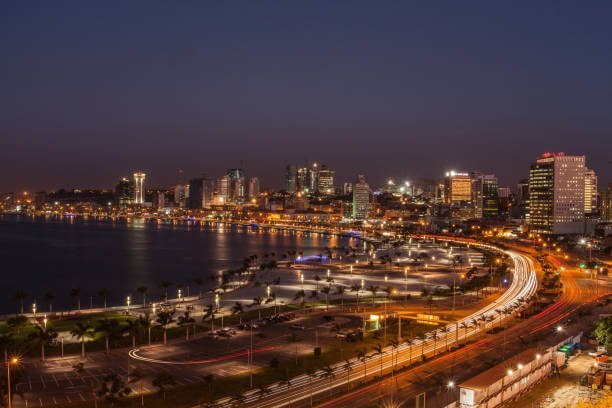
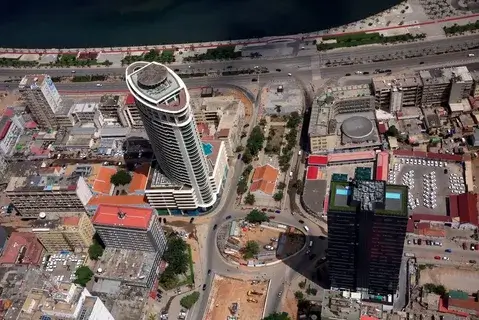
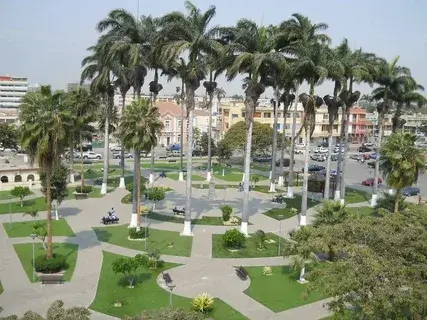
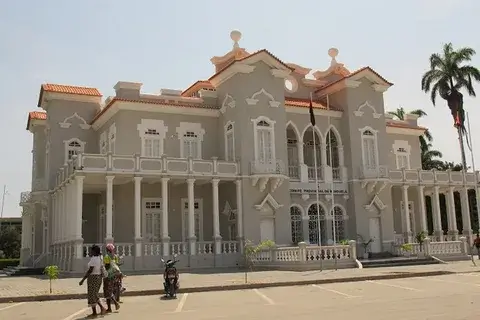
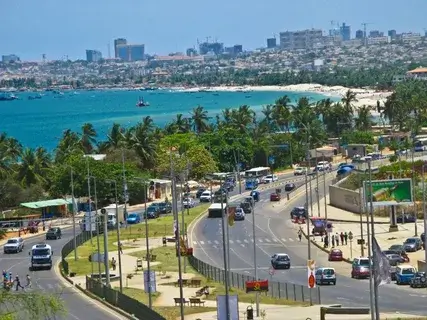
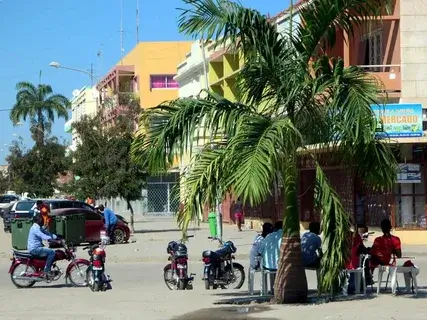
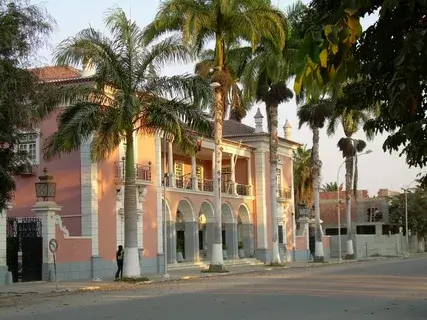
As the vibrant capital city of Angola, Luanda exudes a unique energy that effortlessly blends history with modernity. Wander through the colorful streets of the Cidade Alta district, where colonial architecture meets lively markets and bustling cafes. Dive into the country’s history by visiting the National Museum of Slavery, shedding light on Angola’s past.
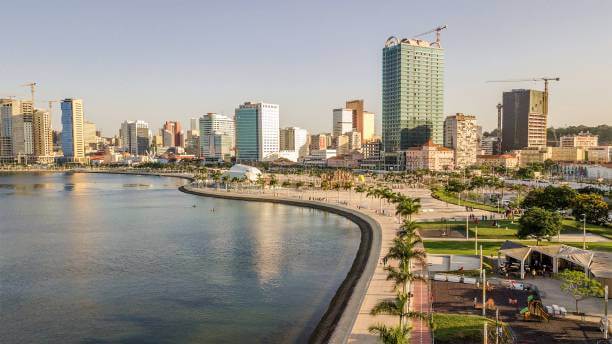
Take a leisurely stroll along the iconic Marginal Promenade, offering panoramic views of the Atlantic Ocean’s shimmering waters. Don’t forget to explore the Fortaleza de São Miguel, a historic fortress that stands as a testament to the city’s colonial past.



2. Namibe Desert – A Desert Oasis:
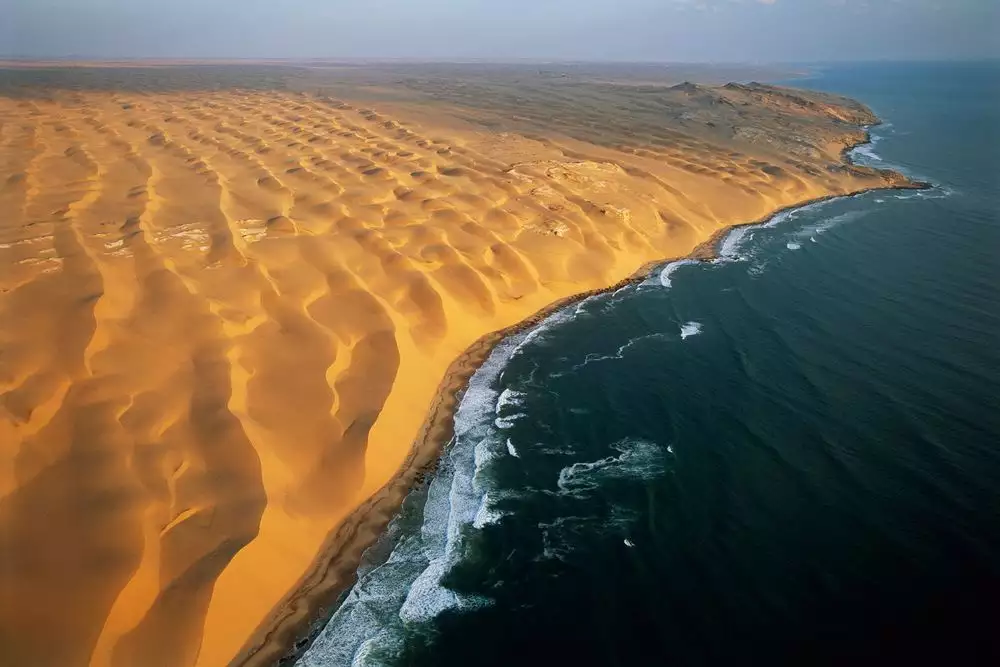
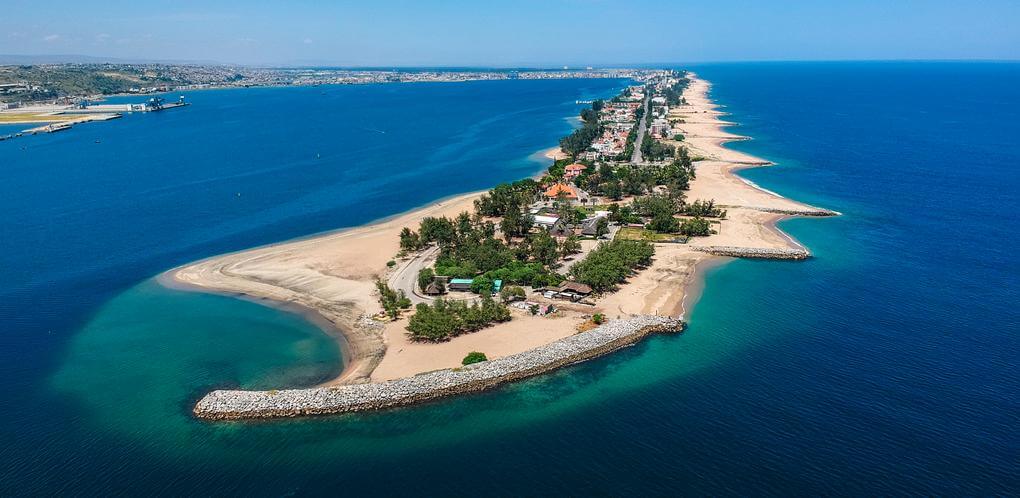
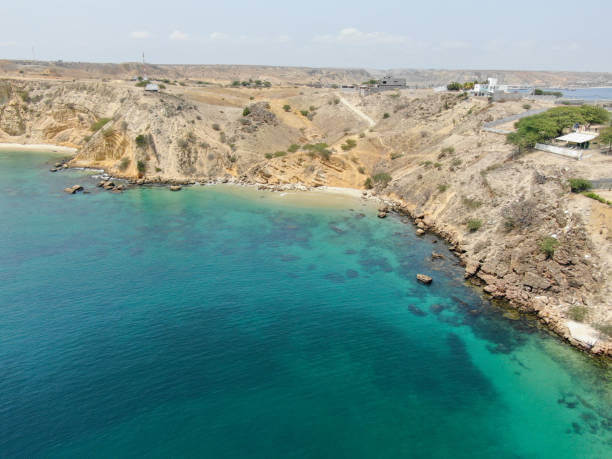
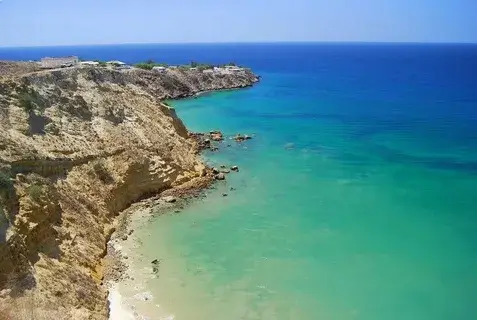
In the Namibe Province, the surreal landscapes of the Namib Desert await. The towering dunes meeting the crashing waves of the Atlantic Ocean create a mesmerizing sight.

At the Serra da Leba Pass, marvel at the serpentine road winding through the hills, affording breathtaking panoramic vistas. Immerse yourself in the silence of the desert and visit the Petrified Forest, where ancient trees have turned to stone over millennia.
3. Benguela – Where Art Meets Beaches:
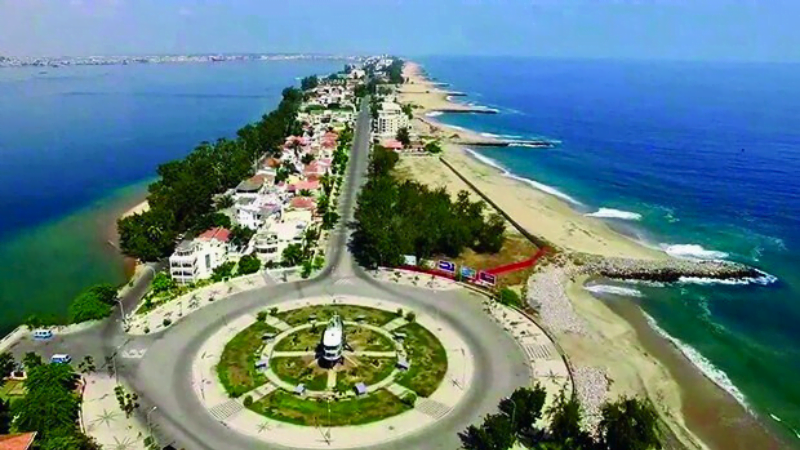
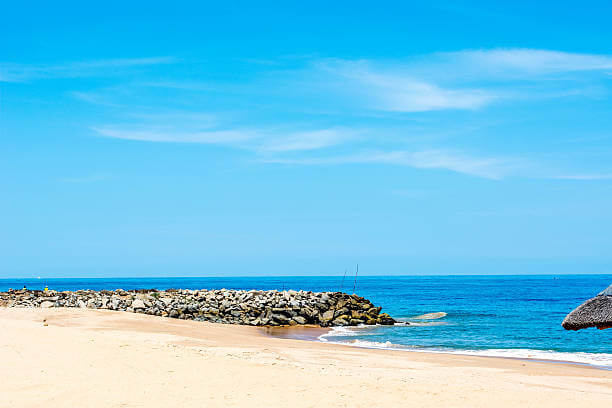
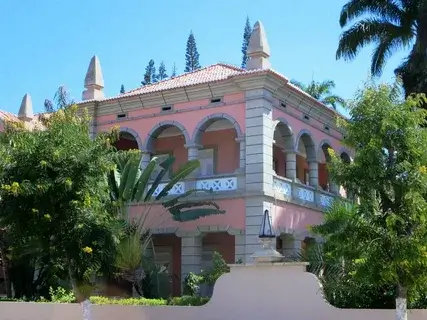
Benguela, a coastal city, is a haven for those seeking both artistic inspiration and seaside relaxation. Stroll along Morena Beach’s golden sands while appreciating vibrant street art that adorns the city’s walls.
Explore the Lobito Botanical Garden, where lush greenery meets tranquility, and discover the city’s history in the well-preserved colonial architecture. A visit to Benguela provides a perfect balance between cultural exploration and beachside bliss.
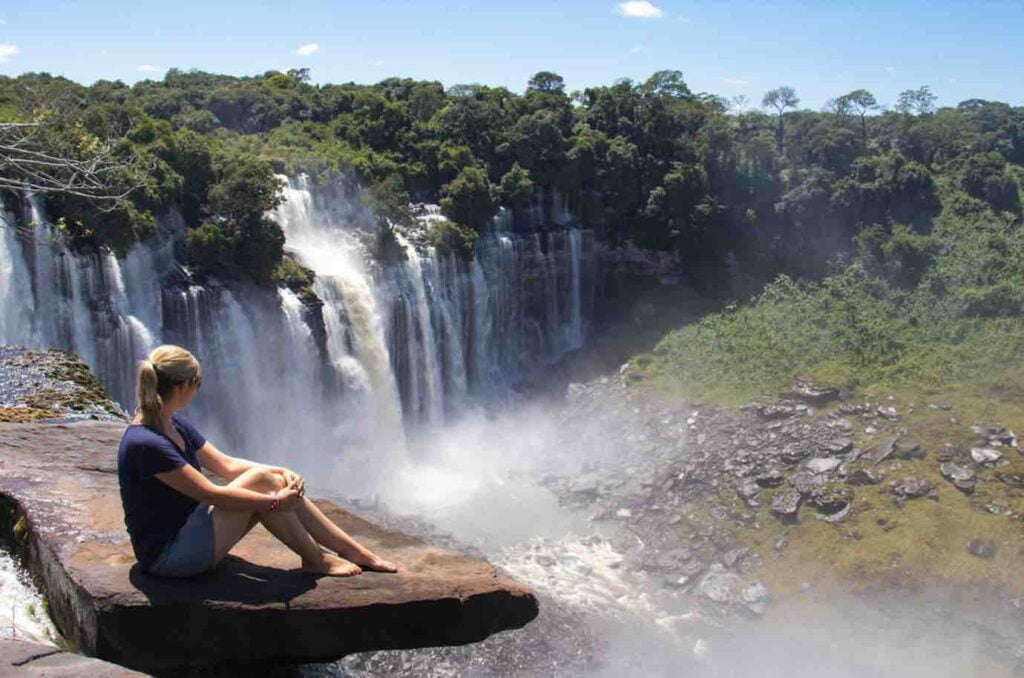
4. Kalandula Falls – Nature’s Masterpiece:
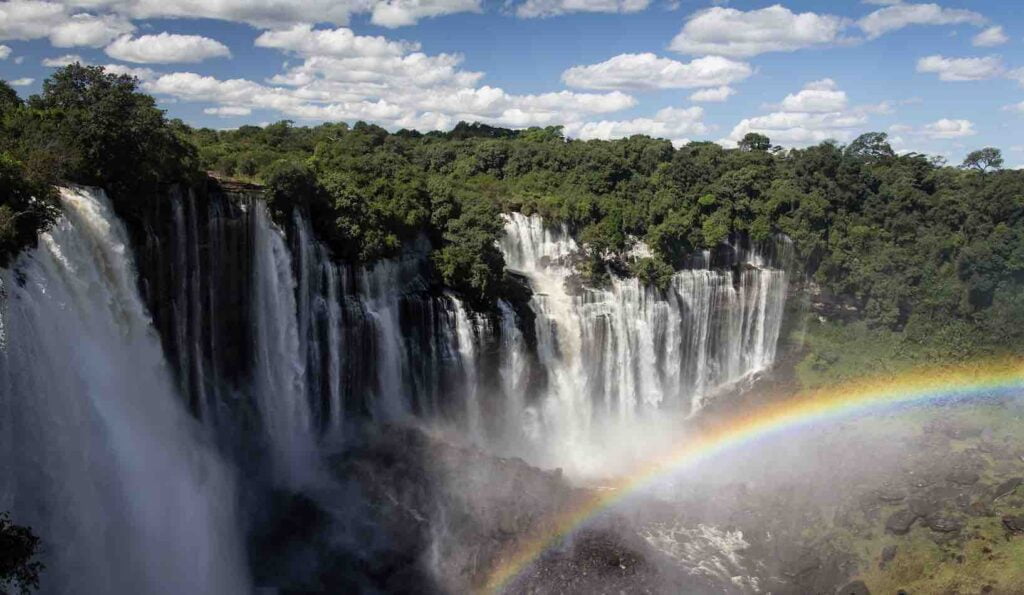
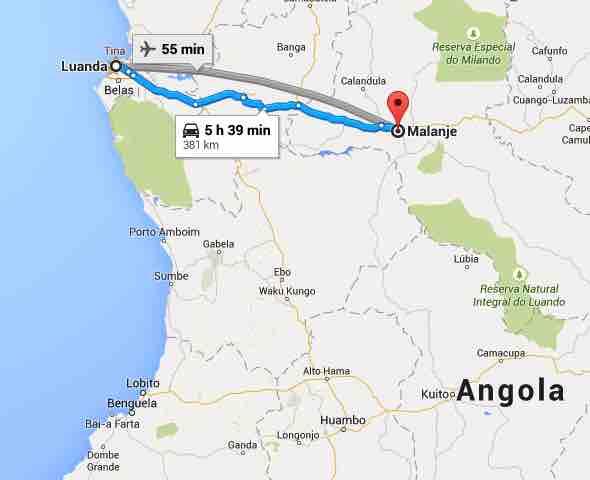
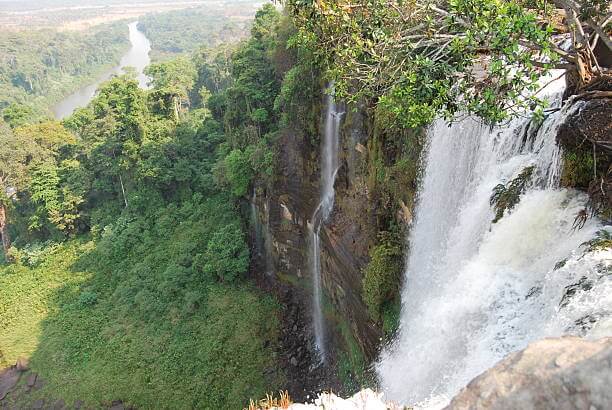
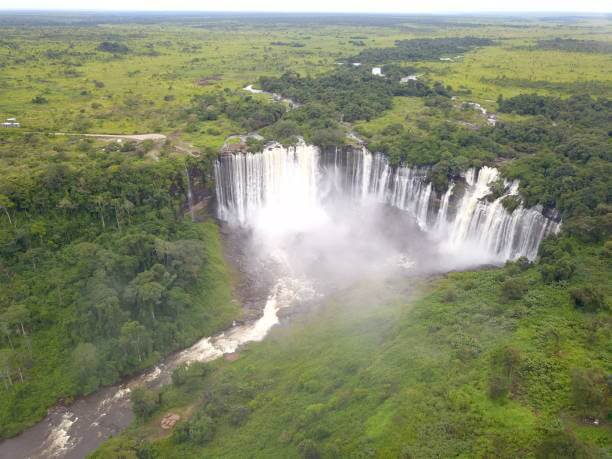
Prepare to be awestruck by the Kalandula Falls, often referred to as the “African Niagara.” Located on the Lucala River, these colossal waterfalls cascade dramatically, creating an unforgettable natural spectacle.
Enjoy the view from various vantage points or venture closer for a refreshing experience beneath the misty spray. Surrounded by lush greenery, the Kalandula Falls are a must-see for any nature enthusiast.


5. Kissama National Park – Wildlife Wonderland:
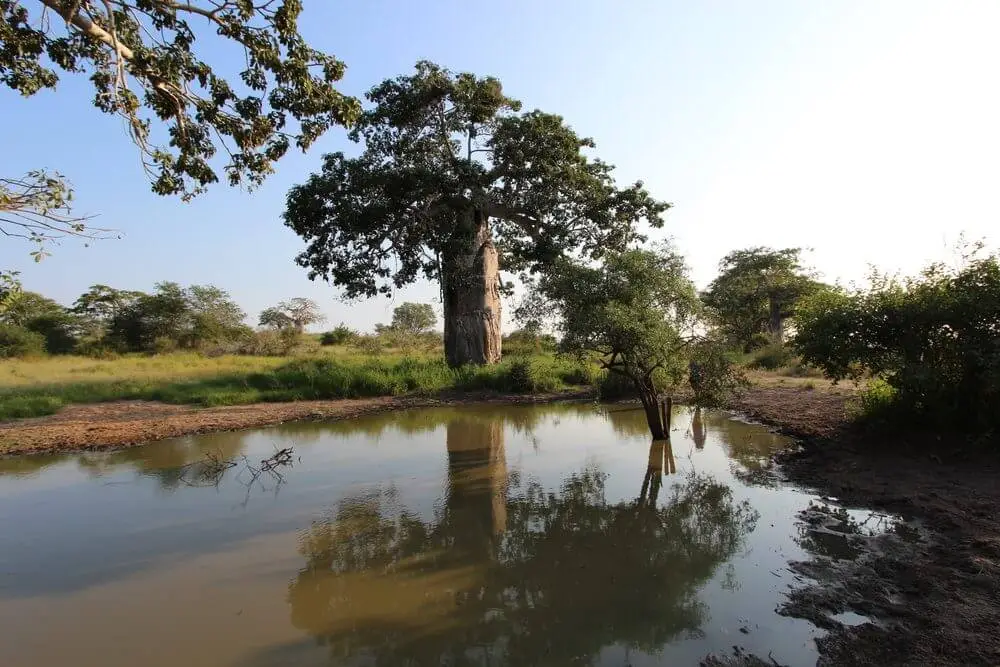
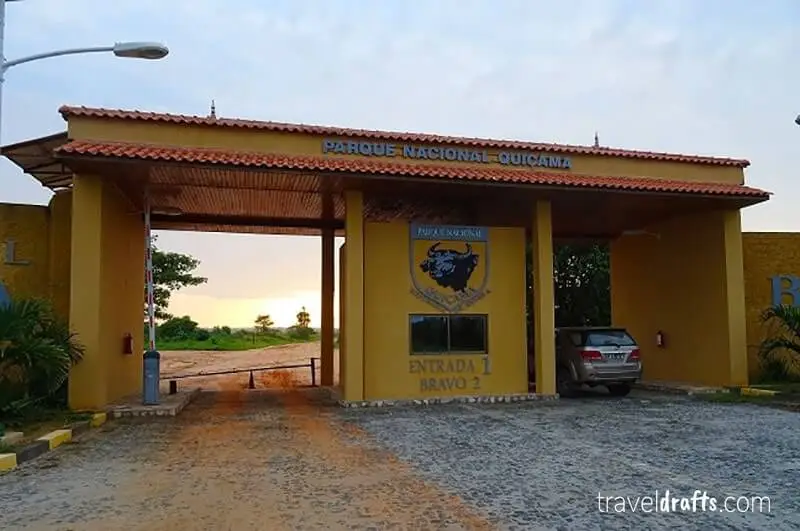
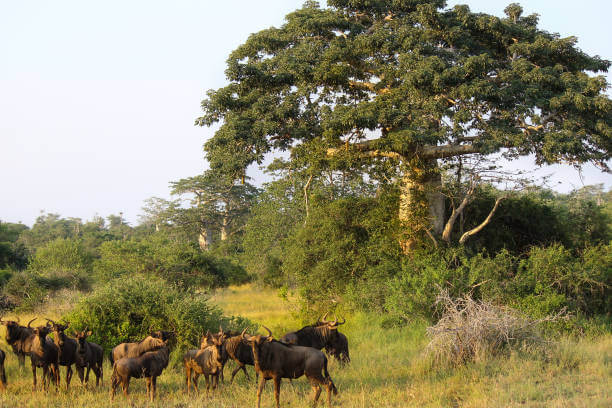
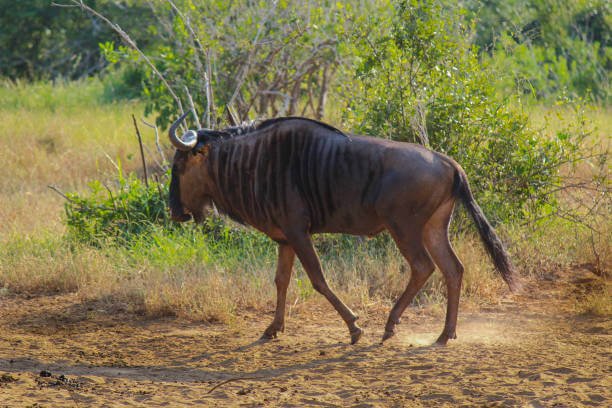
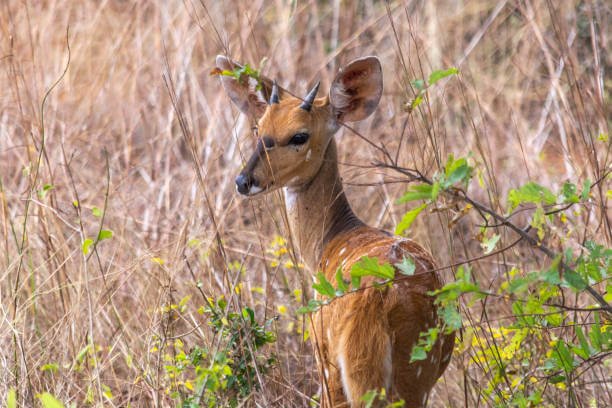
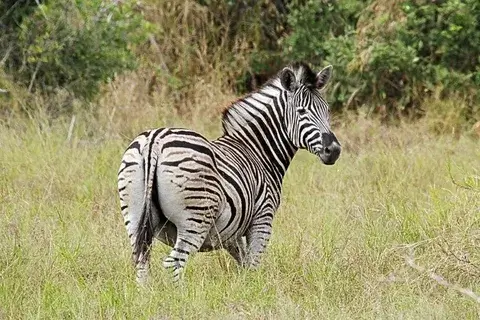
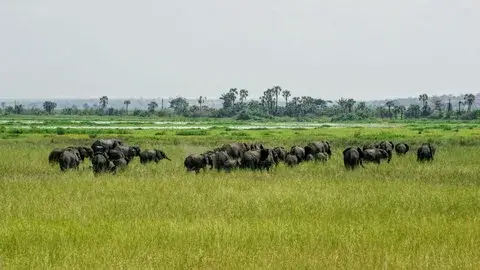
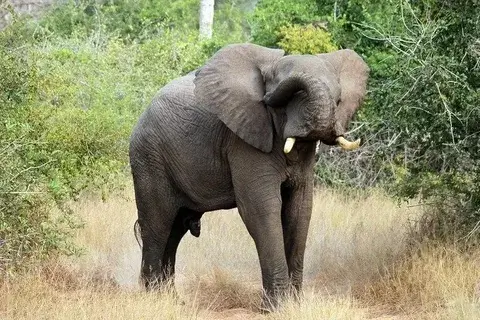
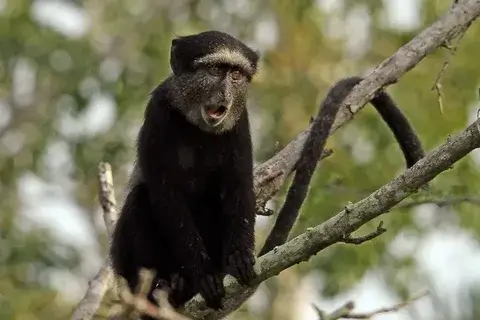
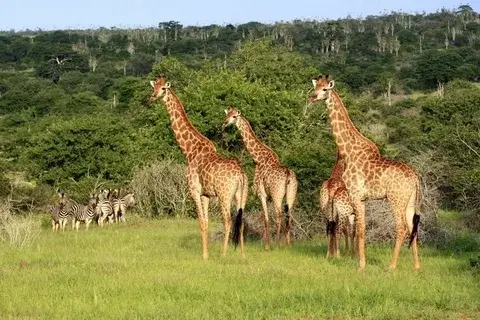
For a rendezvous with Angola’s wildlife, head to Kissama National Park. Home to a diverse range of animals, including elephants, giraffes, and antelopes, this park offers an authentic safari experience.
Whether by vehicle or boat, embark on a thrilling journey through the park’s landscapes, capturing glimpses of these majestic creatures in their natural habitat. Kissama National Park promises an adventure that will leave you with lasting memories.
Did we mention the food? EAT!

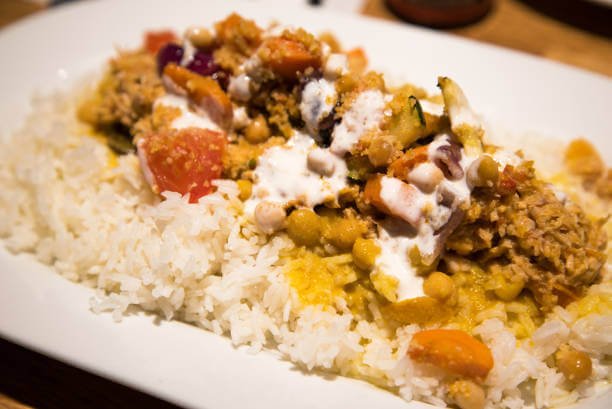
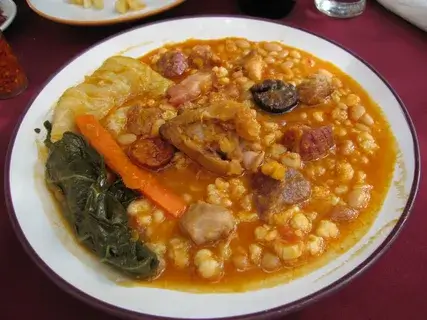
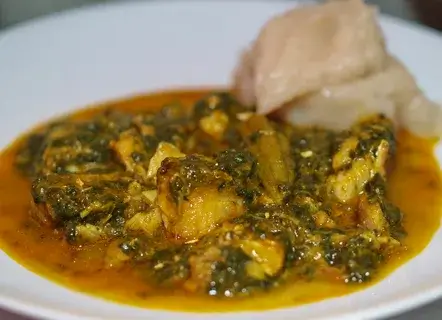
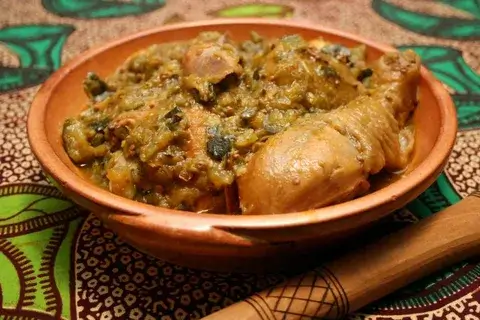
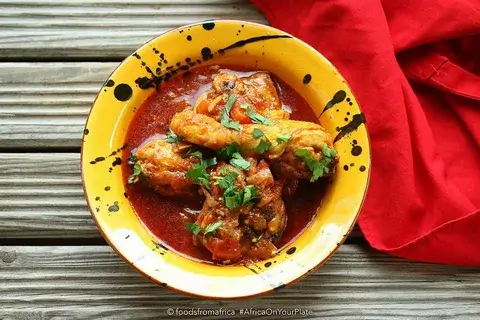
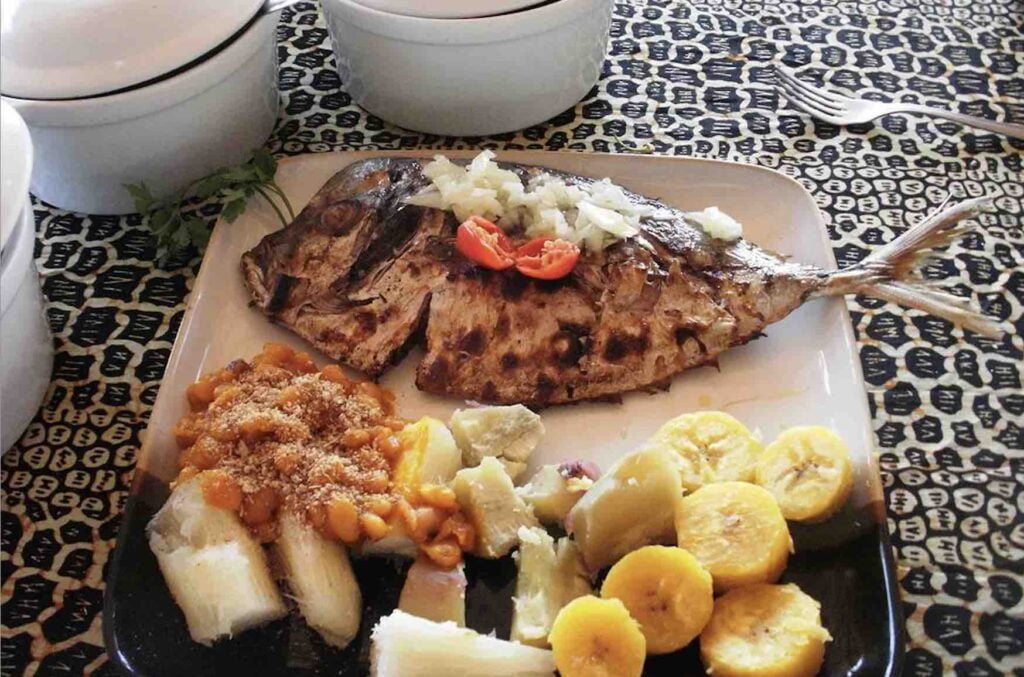
Angolan cuisine is a delightful fusion of flavors influenced by Portuguese, African, and Brazilian culinary traditions. The cuisine reflects the country’s diverse cultural heritage and abundant natural resources.
Staples such as rice, beans, and cassava are often featured in dishes, accompanied by a rich variety of meats, seafood, and vegetables. Grilled meats, known as “churrasco,” are a popular choice, showcasing a range of flavors from simple marinations to complex seasonings.
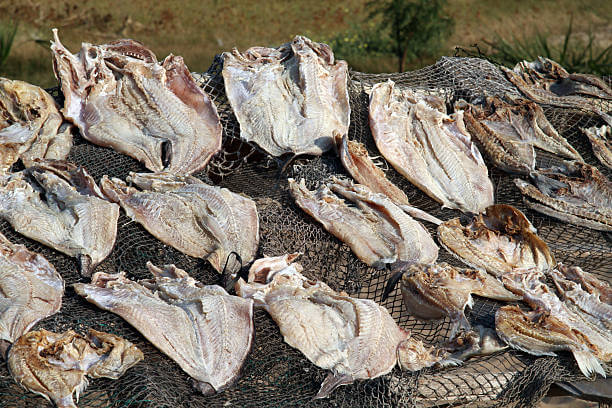
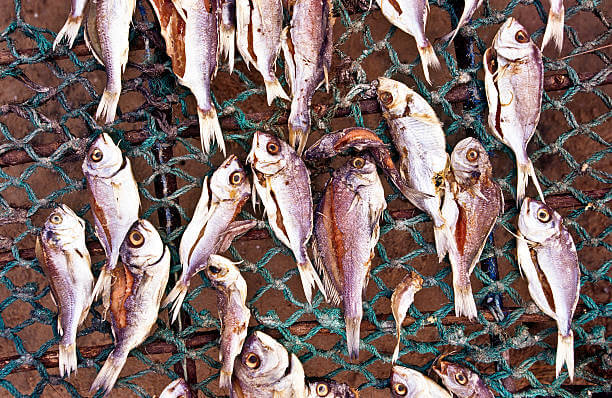
Fish and seafood play a significant role, thanks to Angola’s extensive coastline. Dishes like “calulu,” a flavorful stew made with dried fish or meat, palm oil, and vegetables, embody the unique blending of ingredients that define Angolan cuisine. With tropical fruits, aromatic spices, and vibrant colors,
Angolan food offers a gastronomic adventure that harmoniously reflects the country’s cultural and geographical diversity.




Essential Things to Know Before Traveling to Angola
Preparing for a trip to Angola requires careful planning and attention to detail. Use this foreign travel checklist to ensure a smooth and enjoyable journey to this captivating destination:
1. Passport and Visa:
- Ensure your passport is valid for at least six months beyond your intended departure date.
- Obtain the necessary visa for Angola. Check the requirements and apply well in advance.
2. Health Precautions:
- Consult your healthcare provider about recommended vaccinations for Angola, including yellow fever and malaria prophylaxis.
- Pack a basic first aid kit with essential medications, insect repellent, sunscreen, and any prescription medications.
3. Travel Insurance:
- Purchase comprehensive travel insurance that covers medical expenses, trip cancellations, and other unexpected events.
4. Flight and Accommodation:
- Book your flights to and from Angola.
- Reserve accommodations in advance, considering locations and amenities that suit your travel preferences.
5. Currency and Payments:
- Familiarize yourself with the local currency, the Angolan kwanza (AOA).
- Carry a small amount of local currency for initial expenses and consider using credit/debit cards for larger transactions.
6. Communication:
- Check if your mobile phone plan covers international roaming. Alternatively, purchase a local SIM card for better connectivity.
- Make copies of important documents, such as your passport, visa, and travel insurance.
7. Language and Communication:
- Learn a few basic Portuguese phrases, as Portuguese is the official language of Angola.
- Consider downloading translation apps to help with communication.
8. Weather and Clothing:
- Check the weather forecast for the period of your visit and pack accordingly.
- Pack lightweight and breathable clothing for warm weather, and bring layers for cooler evenings or higher-altitude areas.
9. Cultural Sensitivity:
- Research local customs and etiquette to ensure you respect the local culture.
- Dress modestly, especially when visiting religious sites or rural areas.
10. Safety Precautions:
– Research the safety situation in the areas you plan to visit and stay updated on travel advisories.
– Share your travel itinerary and contact details with a family member or friend.
11. Electronics and Adapters:
– Check the voltage and plug type used in Angola and bring the appropriate power adapters for your devices.
12. Local Transportation:
– Research transportation options within Angola, such as domestic flights, buses, taxis, and guides for specific attractions.
13. Local Attractions and Activities:
– Research the top places to visit and activities to do in Angola, such as cultural sites, natural landmarks, and wildlife experiences.
14. Local Cuisine and Dietary Restrictions:
– Familiarize yourself with Angolan cuisine and consider any dietary restrictions you might have.
– Carry snacks and bottled water for convenience during your travels.
By following this foreign travel checklist, you’ll be well-prepared for an unforgettable journey to Angola. Remember that thorough planning ensures a more enjoyable and stress-free experience.
How to Get to Angola
Getting to Angola typically involves traveling by air, as it is the most convenient and common way for international visitors. Angola is located in southern Africa, and the capital city, Luanda, is the main point of entry for most travelers. Here are the steps to get to Angola:
- Check Visa Requirements: Before planning your trip, check the visa requirements for Angola. Depending on your nationality, you may need a visa to enter the country. Make sure to apply for a visa if necessary and meet all the entry requirements.
- Book Your Flight: Search for international flights to Luanda, which is the main international gateway to Angola. You can use online travel booking websites or contact airlines directly to find the best flight options.
- Arrive at Your Departure Airport: Arrive at the airport from which you’ll be departing for Angola. This will depend on your location, but major international airports like London Heathrow, Paris Charles de Gaulle, Johannesburg O.R. Tambo, or Addis Ababa Bole International Airport often have flights to Luanda.
- Travel Documents: Ensure you have your passport, visa, and any other required travel documents with you. Keep them easily accessible, as you’ll need to present them at various points during your journey.
- Check for Vaccination Requirements: Angola may require proof of certain vaccinations or health checks, so it’s a good idea to check with the Angolan embassy or consulate in your country and consult a travel clinic for advice on vaccinations.
- Arrival in Luanda: Once you arrive at Quatro de Fevereiro International Airport (IATA: LAD) in Luanda, you will go through customs and immigration. Make sure your passport and visa are in order and be prepared for any health screenings or requirements that may be in place due to current global health situations.
- Local Transportation: From the airport, you can use various transportation options to reach your final destination within Angola. Taxis and car rental services are available at the airport. Be sure to arrange transportation in advance if needed.
- Accommodation: Have your accommodation arrangements made in advance. Whether you’re staying in Luanda or traveling to other parts of Angola, it’s advisable to book your lodging ahead of time.
- Enjoy Your Trip: Once you’ve arrived in Angola, you can explore its diverse culture, natural beauty, and historical sites. Be sure to follow local customs and regulations and have a memorable trip.
Please note that travel conditions and requirements may change, so it’s essential to check for updated information and travel advisories from official sources before your trip. Additionally, consider the season and weather conditions when planning your visit, as Angola has a tropical climate with distinct wet and dry seasons.
How to Get Around Angola
Getting around Angola can be a bit challenging due to the country’s size, infrastructure, and road conditions. The transportation options available to you will depend on where you are in Angola, but here are some common ways to get around the country:
- Domestic Flights:
- For long-distance travel within Angola, especially between major cities, consider taking domestic flights. TAAG Angola Airlines is the national carrier and operates flights to various destinations within the country.
- Buses and Minibuses:
- Buses and minibuses are a common means of transportation for both short and long distances. However, be prepared for basic facilities and potentially crowded conditions on some routes. Some companies operate more comfortable long-distance buses.
- Taxis:
- Taxis are readily available in major cities like Luanda and are a convenient way to get around within urban areas. Make sure to agree on a fare or use a meter before starting your journey.
- Car Rental:
- Renting a car is an option if you want more flexibility in your travel. However, roads in Angola can be challenging, and driving conditions may vary. It’s essential to have a valid international driver’s license and familiarize yourself with local traffic rules.
- Motorcycle Taxis (Candongueiros):
- In some urban areas, you may find motorcycle taxis known as “candongueiros.” They are a fast way to navigate through traffic, but safety precautions should be taken, including wearing a helmet.
- Rail Travel:
- Angola has a limited railway network, and trains are not the most common mode of transportation for travelers. However, if you plan to travel along existing rail routes, you can explore this option.
- Boat and Ferry Services:
- In regions with waterways, such as the northern part of the country along the Congo River, boats and ferries may be used for transportation. These services can be essential for accessing remote areas.
- Walking and Cycling:
- In some urban areas and smaller towns, walking and cycling can be practical ways to get around locally. Be cautious of traffic and road conditions.
- Chartered Flights and Helicopters:
- For remote and less accessible regions, you may need to arrange chartered flights or helicopters, particularly if you are involved in specific industries like mining or oil exploration.
- Local Knowledge and Assistance:
- When traveling in Angola, it can be helpful to have a local guide or someone who knows the area well. They can assist with navigation, language, and understanding local customs.
Keep in mind that road conditions in Angola can vary greatly, with some areas having well-maintained roads and others in poorer condition. Road safety may also be a concern in some regions. Always check the latest travel advisories and conditions for the specific areas you plan to visit. Additionally, be prepared for occasional travel delays and logistical challenges when traveling in Angola.
FAQ – Best Places To Visit In Angola and Traveling to Angola in General
Frequently Asked Questions (FAQ) About Traveling to Angola
1. Q: Is Angola a safe travel destination?
A: Angola has made significant progress in terms of safety and security in recent years. While most areas are considered safe for tourists, it’s advisable to stay informed about the local situation, follow travel advisories, and exercise caution, especially in urban areas.
2. Q: Do I need a visa to visit Angola?
A: Yes, most visitors to Angola require a visa. It’s recommended to obtain your visa before traveling, as obtaining one on arrival might involve longer processing times.
3. Q: What is the best time to visit Angola?
A: The best time to visit Angola is during the dry season, which runs from May to October. This period offers pleasant weather and optimal conditions for exploring the country’s attractions.
4. Q: What currency is used in Angola?
A: The official currency of Angola is the Angolan kwanza (AOA). It’s recommended to exchange your currency into kwanza upon arrival or use credit/debit cards in larger cities.
5. Q: What are the must-visit places in Angola?
A: Angola offers a variety of attractions, including Luanda (the capital), Namibe Desert, Kalandula Falls, Benguela, and Kissama National Park. These destinations offer a mix of cultural, natural, and wildlife experiences.
6. Q: What language is spoken in Angola?
A: Portuguese is the official language of Angola. While English might not be widely spoken, especially in rural areas, you can get by with basic Portuguese phrases or hire a local guide.
7. Q: How do I get around within Angola?
A: Angola has a developing transportation network. Domestic flights, buses, and shared taxis are common modes of transport between cities. For urban exploration, taxis and local buses are available.
8. Q: Is it safe to drink tap water in Angola?
A: It’s generally advisable to drink bottled or boiled water to prevent any potential health issues. Check with locals or your accommodation for the most up-to-date information about water safety in specific areas.
9. Q: What is the local cuisine like?
A: Angolan cuisine is influenced by Portuguese, African, and Brazilian flavors. Enjoy dishes like funje (a staple made from cassava flour), grilled meats, and various seafood specialties. Don’t miss the opportunity to try traditional Angolan dishes during your visit.
10. Q: How can I respect local customs and etiquette?
A: Angolan culture is diverse and rich. It’s important to dress modestly, especially when visiting religious sites or rural areas. Always ask for permission before taking photos of people, and be respectful of local customs and traditions.
11. Q: Are there any health precautions I should take before traveling to Angola?
A: Make sure you’re up-to-date on routine vaccinations and consult a healthcare professional for any recommended vaccinations or health precautions specific to Angola. Malaria is a concern in some areas, so taking preventive measures and using insect repellent is essential.
12. Q: Can I use my mobile phone in Angola?
A: Mobile coverage is available in most urban areas. It’s advisable to check with your provider about international roaming plans or consider purchasing a local SIM card for better connectivity.
Remember that travel conditions can change, so always stay updated with reliable sources of information and plan your trip accordingly.
Frequently Asked Questions (FAQ) About Places to Visit in Angola
1. Q: What are some of the top places to visit in Angola?
A: Angola boasts a range of remarkable destinations. Some must-visit places include Luanda, the capital city; Namibe Desert; Kalandula Falls; Benguela; and Kissama National Park.
2. Q: How do I get to these destinations?
A: Domestic flights, buses, and shared taxis are common modes of transportation between cities in Angola. For more remote areas or specific attractions, it’s advisable to hire a local guide or arrange transportation in advance.
3. Q: What is Luanda known for?
A: Luanda is the capital and largest city of Angola. It’s known for its blend of colonial architecture and modern skyscrapers, vibrant markets, historical sites like the Fortress of São Miguel, and the picturesque Marginal Promenade along the Atlantic Ocean.
4. Q: What can I experience in the Namibe Desert?
A: The Namibe Desert features dramatic landscapes where towering dunes meet the crashing waves of the Atlantic Ocean. Visit the Serra da Leba Pass for stunning views, and explore the Petrified Forest to witness ancient trees turned to stone.
5. Q: What is special about Kalandula Falls?
A: Kalandula Falls, often referred to as the “African Niagara,” is a mesmerizing waterfall located on the Lucala River. It offers a breathtaking natural spectacle, surrounded by lush greenery, making it a perfect spot for photography and relaxation.
6. Q: What should I explore in Benguela?
A: Benguela is known for its artistic street murals, beautiful beaches like Morena Beach, and the Lobito Botanical Garden. You can also explore well-preserved colonial architecture and soak up the city’s unique coastal charm.
7. Q: What can I see at Kissama National Park?
A: Kissama National Park is a wildlife haven where you can embark on safari adventures to see elephants, giraffes, antelopes, and various bird species. Safaris can be conducted by vehicle or boat, offering an opportunity to observe animals in their natural habitat.
8. Q: Are there any cultural attractions in Angola?
A: Absolutely! In addition to natural wonders, Angola offers cultural experiences. Visit the National Museum of Slavery in Luanda to learn about the country’s history, explore local markets, and immerse yourself in the vibrant rhythms of Angolan music and dance.
9. Q: Can I visit historical sites in Angola?
A: Yes, Angola has several historical sites, such as the Fortress of São Miguel in Luanda, which dates back to the 16th century. These sites provide insights into the country’s colonial past and cultural heritage.
10. Q: Is there a best time to visit these places?
A: The dry season, from May to October, is generally considered the best time to visit Angola’s attractions due to favorable weather conditions. However, always check for specific destination details as weather and conditions may vary.
Remember to research each destination in advance, stay informed about local guidelines and conditions, and respect the local customs and culture during your travels in Angola.
You want more on Best Places to Visit in Angola? ⬇️ ⬇️ ⬇️
Our Top 5 Best Places To Visit In Angola – Final Thoughts:
Angola’s allure lies in its ability to seamlessly blend natural beauty, cultural heritage, and extraordinary experiences. From the bustling streets of Luanda to the tranquility of Namibe’s desert landscapes, each destination offers a unique facet of this multifaceted country.
Whether you’re a history enthusiast, nature lover, or simply seeking the thrill of adventure, Angola’s top 5 places to visit are sure to leave an indelible mark on your heart and soul. So, pack your bags, prepare to be amazed, and set forth on an unforgettable journey through the enchanting landscapes of Angola.
Best Places to Visit in Spain 2023
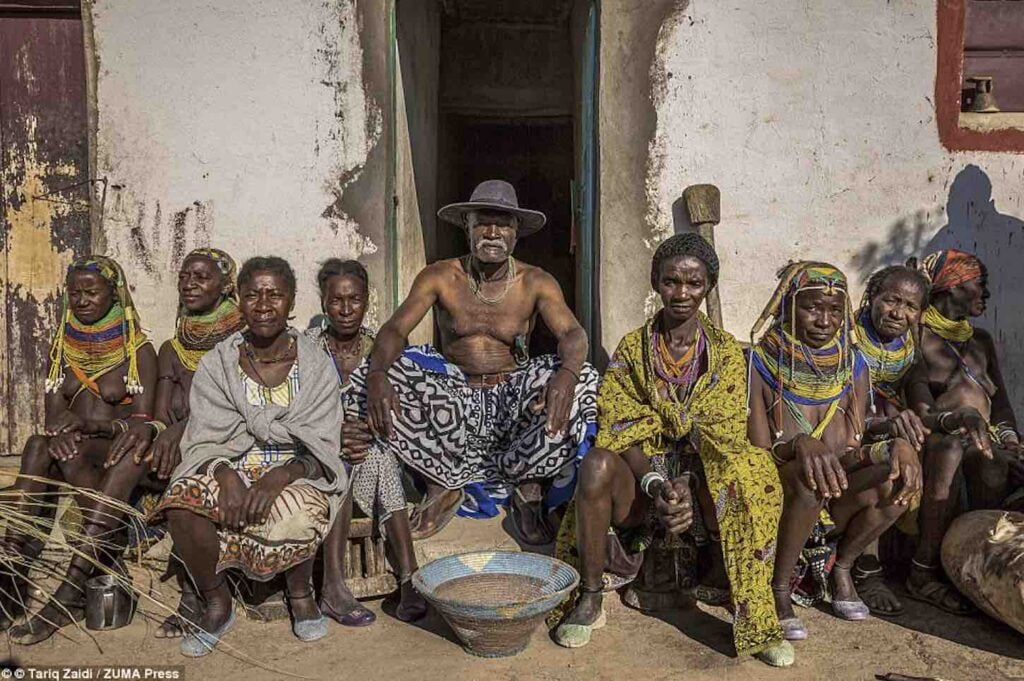
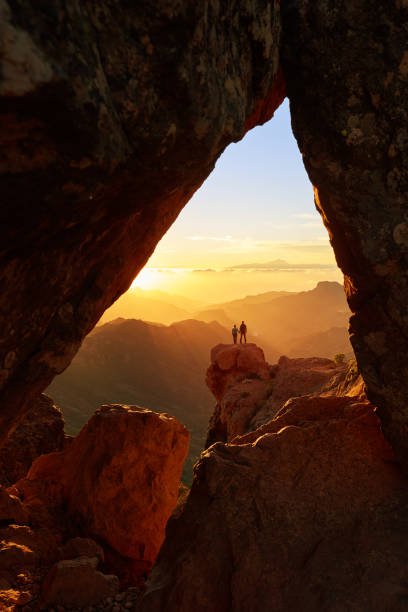
Spain, a country rich in history, culture, and breathtaking landscapes, beckons travelers with its vibrant cities, stunning beaches, and captivating architecture. From the enchanting streets of Barcelona to the sun-kissed shores of the Costa del Sol, Spain offers a diverse array of destinations to explore..
Ceuta History: How 1 Small City Helped Shape World History
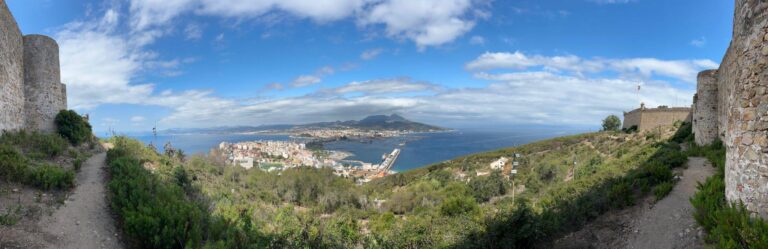
Following the arrival of Islam in North Africa, Ceuta became an important centre of trade, learning and culture. Merchants from across Africa, Europe and the Middle East passed through its bustling streets, bringing with them languages, customs and ideas that would leave their mark on the city.
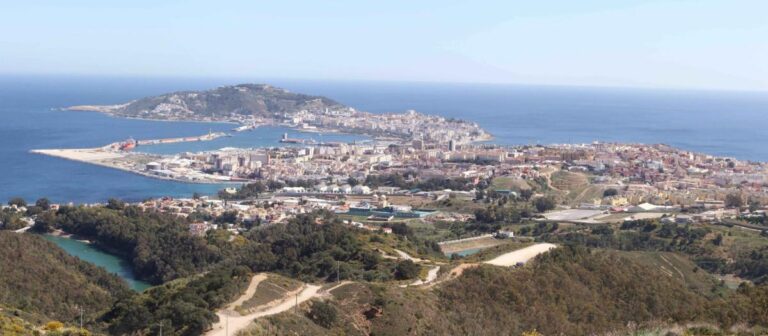
The Complete History of Ceuta is Fascinating
It’s important to understand the complete history of Ceuta. Following the arrival of Islam in North Africa, Ceuta became an important centre of trade, learning and culture. Merchants from across Africa, Europe and the Middle East passed through its bustling streets, bringing with them languages, customs and ideas that would leave their mark on the city.
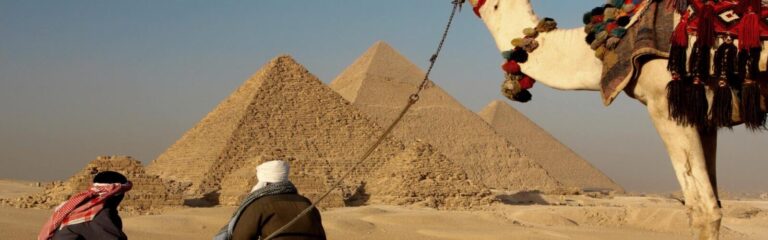
Our Top 5 Best Places to Visit in Egypt
Egypt Unveiled: Exploring the Land of Pharaohs and Pyramids Welcome to Egypt, a land where ancient wonders and vibrant culture converge in a mesmerizing fusion. Whether you’re an archaeology enthusiast, an adventure seeker, or simply a lover of rich history, Egypt has something extraordinary to offer at every turn. Let’s embark on a journey through…

Ceuta – Europe’s Forgotten Fortress on the Edge of Africa
Following the arrival of Islam in North Africa, Ceuta became an important centre of trade, learning and culture. Merchants from across Africa, Europe and the Middle East passed through its bustling streets, bringing with them languages, customs and ideas that would leave their mark on the city.

Europe: A Tapestry of Diversity, Culture and Adventure
Europe, a continent as diverse as it is beautiful, is a traveler’s dream come true. From the snow-capped peaks of the Alps to the sun-kissed beaches of the Mediterranean, Europe offers an enchanting mix of experiences for every type of traveler. Join us as we embark on a journey through the heart of Europe, discovering…

Our Top 5 Best Places to Visit in Kuwait
Discovering Kuwait: Journey Through its Hidden Treasures Hey fellow wanderlusters, let’s dive into Kuwait’s kaleidoscope of culture, where the past meets modernity. I’ve uncovered five must-visit spots for the young and adventurous traveler. From sipping on sweet tea under Bedouin tents to catching epic sunsets, Kuwait is an adventure waiting to happen. Map of Kuwait…
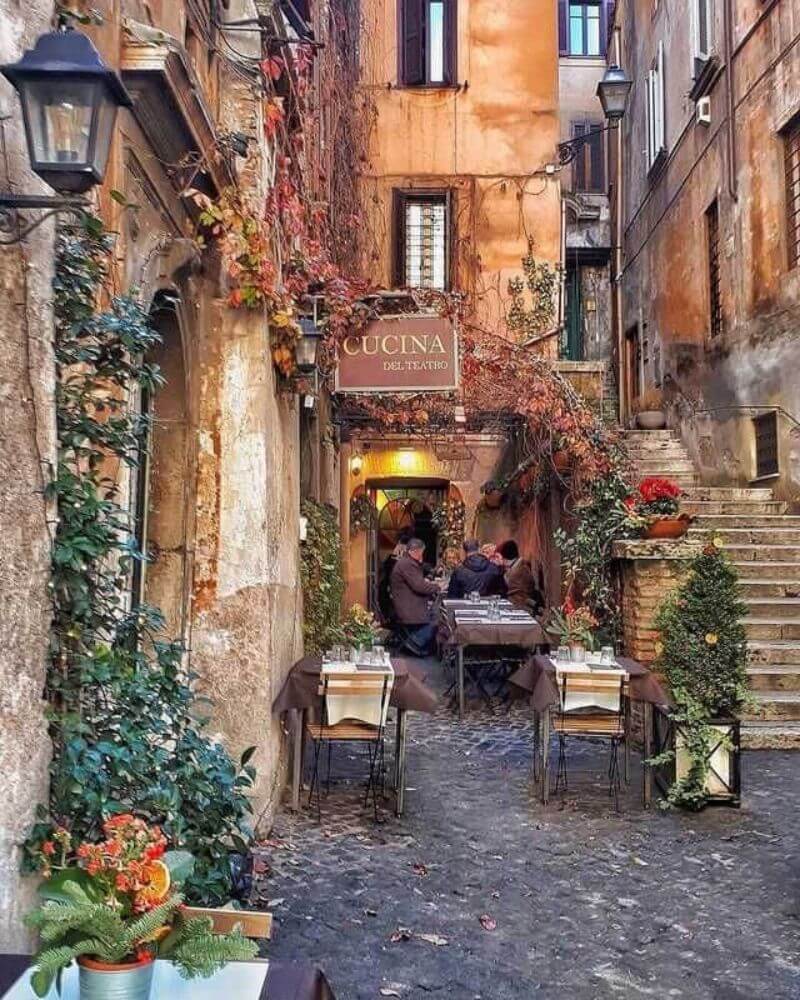
Best Places to Visit in Italy 2023
Italy, a land of romance, rich history, and breathtaking landscapes, beckons travelers with its magnetic allure. From the captivating cities adorned with timeless architecture to the picturesque coastal towns and rolling vineyards, this Mediterranean gem offers a plethora of unforgettable experiences..
Exploring Greece’s Timeless Treasures: Greece Best Places to Visit Top 10
Exploring Italy’s Treasures: The Best Places to Visit in Italy in 2023
Our 10 Best Places to Visit in Venice: Come Explore the Enchanting Floating City
Unveiling the Enchanting Beauty: Our Best Places to Visit in Florence
Our Best Free Places to Visit in New York That are yes, Absolutely FREE!
Our Best 10 Affordable Vacation Destinations if you are on a tight budget.
Our 10 Best Budget Travel Tips: Explore the World Without Draining Your Bank Account.
These are our Top 10 Best Travel Destinations Worldwide 2023
Our Absolute Best list of 10 Less Touristy Places to Travel in Europe 2023
Australia: A Traveler’s Paradise: Best Australian Destinations 2023
Our Top 5 Best Places To Visit In Angola- By David John
Top 5 Best Places To Visit In Angola: Cover Image by alot & wtg
Best Places To Visit In Angola: flickr images licensed under CC BY 2.0
Additional images: adobe · colourbox · istock · pexels · shutterstock · unsplash unless otherwise stated.
Were our Top 5 Best Places To Visit In Angola: helpful to you?
Let us know your thoughts in the comments below..
And if you are looking for a specific piece of information, please do comment below..